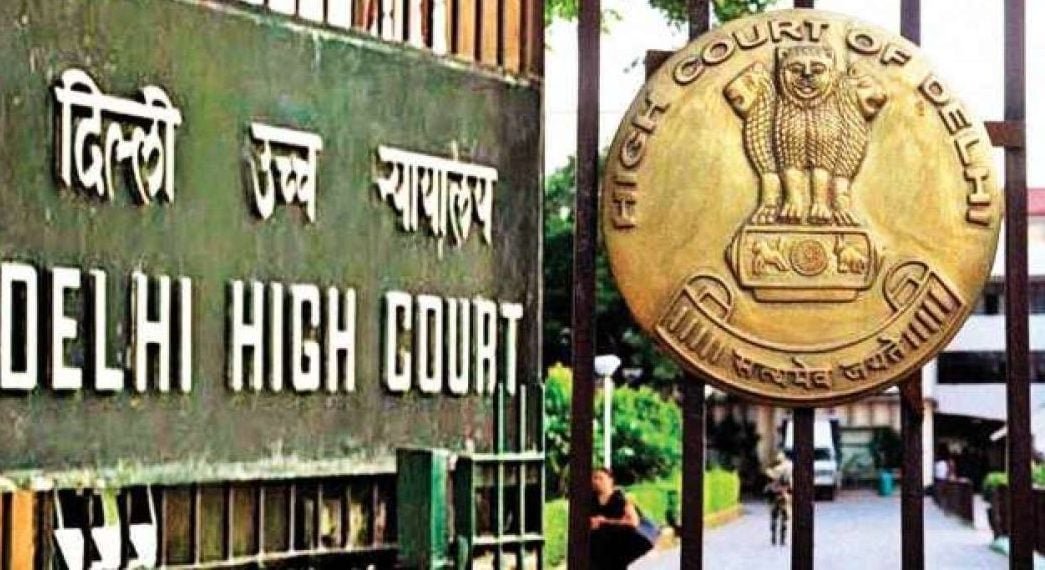
NEW DELHI: The Delhi High Court on Wednesday clarified that an FIR against a sitting judicial officer can be registered only after obtaining approval from the Chief Justice on the administrative side, not through court proceedings.
A bench comprising Chief Justice D. K. Upadhyaya and Justice Tejas Karia made the observation while questioning a litigant who had approached the court seeking permission to file an FIR against a district judge over alleged forgery in an order.
Court cites Supreme Court ruling
The bench underlined that a ruling by the Supreme Court of India mandates prior approval from the Chief Justice before any FIR can be lodged against a sitting judge.
It emphasised that:
- Such permission cannot be sought through a writ petition
- The process falls under the administrative jurisdiction of the Chief Justice
- Courts cannot grant such approval during judicial proceedings
Complaint vs FIR: Key distinction
The High Court clarified that:
- Filing a complaint is separate from seeking permission to register an FIR
- Even if a complaint is pending, explicit approval is still required before an FIR can be lodged
- The appropriate route is to submit a representation to the Chief Justice, who will decide the matter administratively
Court objects to conduct of litigant
During the hearing, the petitioner’s counsel alleged that a district judge had “concocted” an April 2024 order to favour the opposing party.
However, the court:
- Questioned the maintainability of the plea
- Noted that the order in question had already been challenged earlier
- Took exception to the litigant uploading a video of trial court proceedings on YouTube, warning against sharing court content on social media
Authorities raise concerns
Counsel for the state and Delhi Police opposed the petition, arguing that material facts had been concealed.
The High Court administration’s counsel added that the litigant had made similar ones in the past, which had been examined by the vigilance committee.
Next steps
The bench has sought further details from authorities and will take up the matter again next week, while reiterating the legal position on safeguards governing action against members of the judiciary.