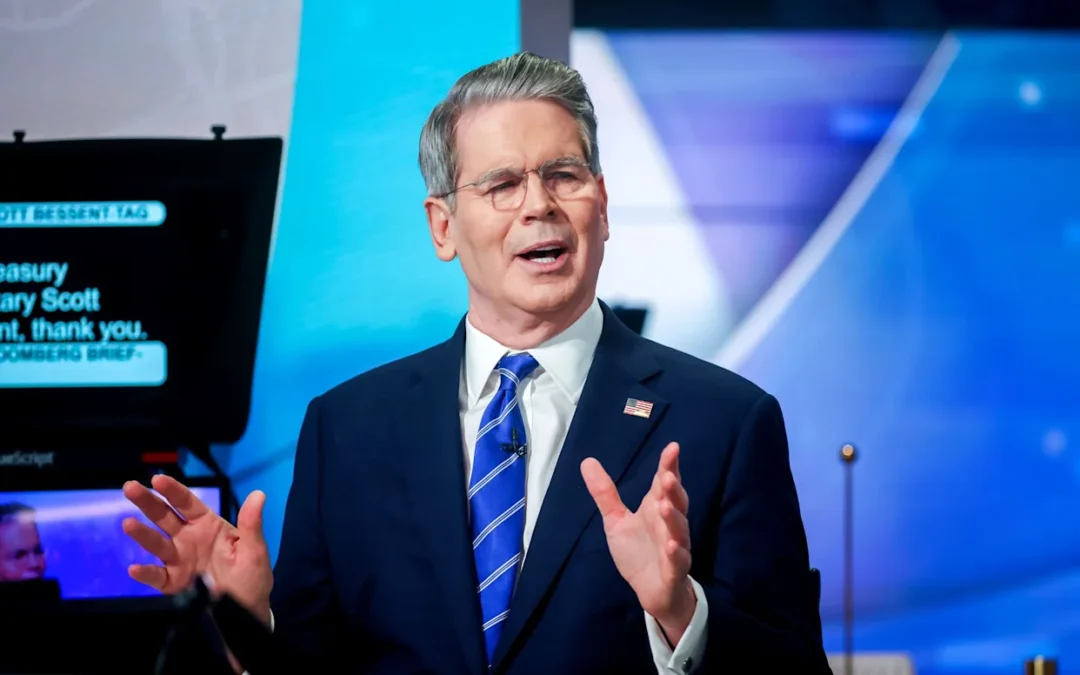
WASHINGTON/BRUSSELS: The Trump administration will not proceed with new tariffs on Chinese goods linked to Russian oil purchases unless European nations impose steep duties of their own, US Treasury Secretary Scott Bessent said Monday.
“We expect the Europeans to do their share now, and we are not moving forward without the Europeans,” Bessent told Reuters and Bloomberg in a joint interview, pressing allies to step up efforts to curb Moscow’s oil revenues.
He noted that President Donald Trump has already slapped a 25% tariff on Indian imports tied to Russian crude and urged European countries to impose tariffs of 50% to 100% on China and India. During recent trade talks in Madrid, Bessent raised the issue with Chinese officials, who argued that oil purchases were a “sovereign matter.”
Bessent accused some European states of directly importing Russian oil while others buy refined products from India made with Russian crude. “If Europe put on substantial secondary tariffs on the buyers of Russian oil, the war would be over in 60 or 90 days,” he said, calling such measures the only way to choke off Moscow’s main source of income.
Trump has repeatedly criticised Europe’s sanctions as “not tough enough” and pressed NATO allies to intensify pressure on both Beijing and New Delhi. Washington’s rhetoric toward India has softened in recent weeks, however, with a fresh round of US–India talks set for Tuesday. Bessent claimed that tariffs on Indian goods had already yielded “substantial progress” in discussions with New Delhi.
Meanwhile, Bessent signalled that Washington is exploring coordinated steps with Europe to tighten sanctions on Russian energy majors Rosneft and Lukoil, while also considering the use of frozen Russian sovereign assets. Options include seizing portions of the $300 billion in blocked funds or diverting them into a special-purpose vehicle to finance loans for Ukraine.
On the sidelines, US and Chinese negotiators have reached a “basic framework consensus” on transferring ownership of TikTok from ByteDance to a US company, with leaders expected to review final terms later this week.