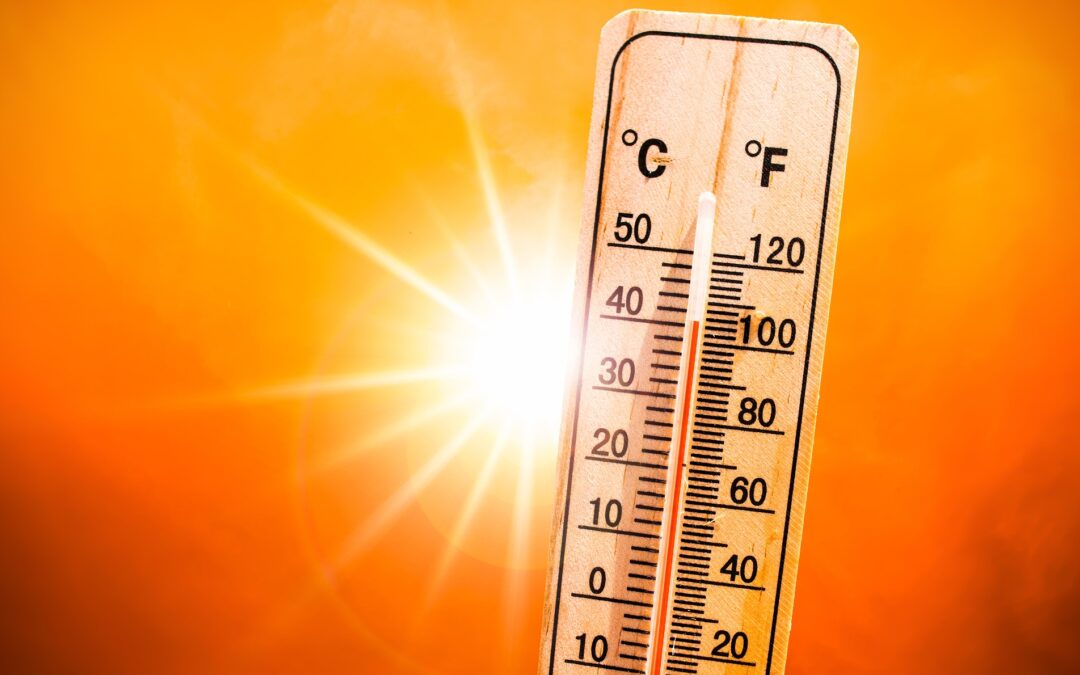
France has seen temperatures reach 40°C across nearly half the country during the ongoing heatwave, while the United Kingdom has recorded its hottest June day on record, as an intense spell of extreme weather grips large parts of Europe and prompts renewed warnings about the growing risks posed by climate change.
Around half of France has experienced temperatures of 40°C or above during the heatwave. The UK set a new June temperature record when the mercury climbed to 35.8°C at Wiggonholt, with nearby Charlwood in Surrey also recording exceptionally high temperatures.
The new British record surpasses the previous June high of 35.6°C, first recorded in London’s Camden Square in 1957 and matched in Southampton in 1976. The highest temperature ever recorded in the UK remains 40.3°C, registered in Lincolnshire in July 2022.
Britain’s Met Office has issued a rare red warning for extreme heat covering parts of England, while amber warnings remain in place for other regions.
The prolonged heat has disrupted daily life across the country. Schools have shortened hours or closed, hospitals have postponed appointments, trains have been forced to operate at reduced speeds, and hosepipe bans have been imposed in some areas.
“To see temperatures like this in the UK in June is sobering,” said Stephen Belcher, the Met Office’s chief scientist.
“Events like this bring home the implications of climate change, with very high temperatures and humidity bringing significant health implications from heat stress, as well as impacts to a range of sectors such as transport, energy and water supply.”
Health experts have warned that Europe is becoming increasingly vulnerable to dangerous heat events. Heatwaves already claim tens of thousands of lives across the continent each year, and scientists say climate change is making such episodes more intense, longer-lasting and more frequent.
World Health Organization Director-General Tedros Adhanom Ghebreyesus said the current heatwave was “putting lives at risk” and urged governments to strengthen healthcare systems and accelerate climate action.
“The data are clear: temperatures across Europe are rising at roughly twice the global average rate, increasing the likelihood and severity of extreme heat in the future,” he said.
“We cannot afford further delay.”
France has been among the countries hardest hit. The country recorded its hottest night on record, followed by its hottest day on record, according to Météo-France. Authorities also reported 40 drowning deaths as people sought relief from the heat in rivers, lakes and coastal waters.
Elsewhere, Spain reported temperatures above 40°C at one in every eight weather stations, while Germany is expected to approach the 40°C mark.
Charities and public health organisations have urged people, particularly the elderly and those with underlying health conditions, to take precautions.
“Red extreme heat weather warnings are rare so when the Met Office issues one we need to take it seriously, especially if you are an older person living with underlying health conditions like heart or lung problems that increase your risk of heat-related harm,” said Caroline Abrahams of Age UK.