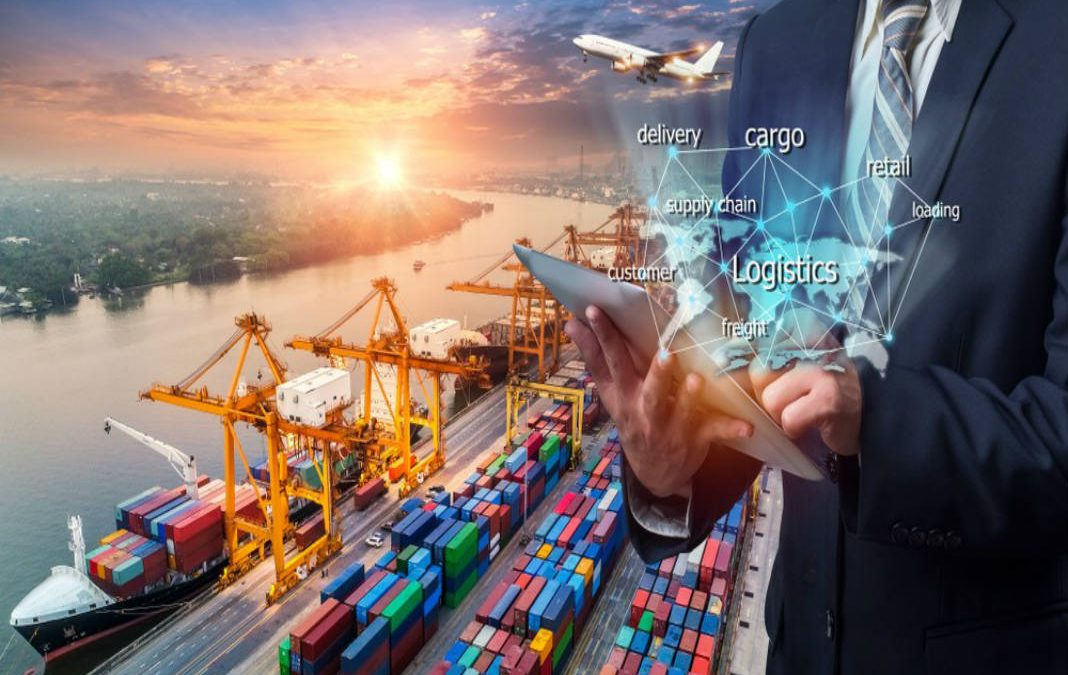
Digitalization, big data, and new technologies such as artificial intelligence are key in enabling the post-COVID recovery, IMO Secretary-General Kitack Lim told a a webinar (28 July) on Digital Connectivity and Data Standards. “Cooperation between shipping, ports and logistics will be vital for enhancing the efficiency and sustainability of shipping and therefore facilitating trade and fostering economic recovery and prosperity,” Mr. Lim said. He highlighted IMO’s key role in ensuring shipping can embrace the digital revolution – while ensuring safety, environmental protection as well as cyber security. “Digitalization and new technologies will also be the key to allowing standardization and therefore enhancing the efficiency of shipping,” Mr. Lim said.
The need for standardization was also highlighted by IMO’s Facilitation Head, Julian Abril, who noted the mandatory requirement for electronic data exchange in the Facilitation Convention, effective since April 2019. Discussions are currently underway towards making a single maritime window mandatory – so that all data for arrival and departure of ships is submitted through a single point and transmitted to the relevant agencies involved. The standardization and harmonization needed for this to happen is captured in the IMO Compendium on Facilitation and Electronic Business, a tool for software developers that harmonises the data elements required for regulatory purposes during a port call and standardises electronic messages, reducing the administrative burden for ships linked to formalities in ports. The goal is to make it easier for companies involved in maritime trade or transport to create software that can communicate, no matter which standard they are based on. Cooperation, communication and collaboration between the various stakeholders to maintain and further develop the compendium, as well as looking into expanding its data set and data model to areas beyond the FAL Convention, has been formalised in a partnership agreement signed in March 2020 between IMO, the World Customs Organization, the United Nations Economic Commission for Europe and the International Organization for Standardization .
The webinar (28 July) on Digital Connectivity and Data Standards was organized by the Maritime and Port Authority of Singapore, the first in a maritime perspectives webinar series.