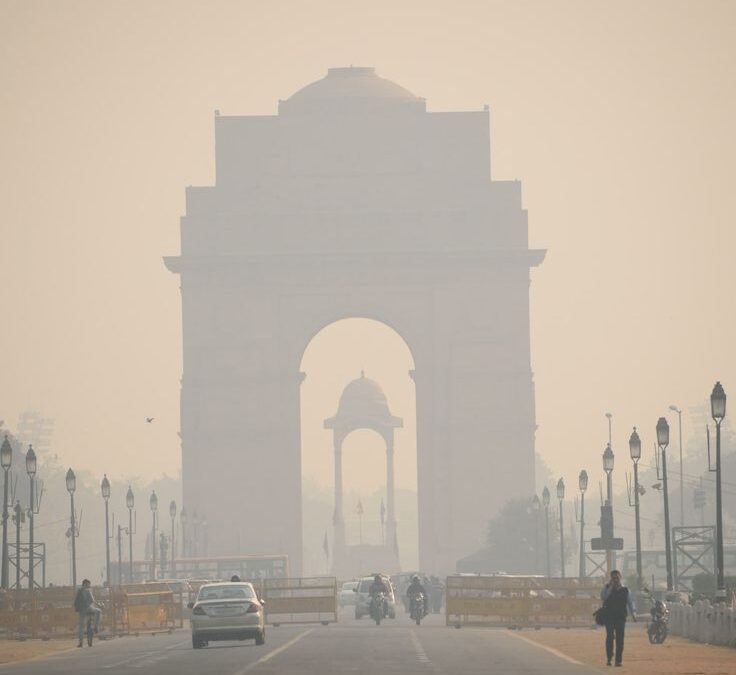
Delhi Traffic Police issued 4,53,262 challans for vehicles operating without a valid Pollution Under Control (PUC) certificate between January 1 and October 27, 2026, according to official data. The figure reflects a nearly fivefold increase compared with the 1.64 lakh challans issued in 2022.
The data shows that 5.98 lakh challans were issued in 2024, while the number rose to 8,63,166 in 2025. The 2026 figure covers the period up to October 27 and does not represent the full calendar year.
A senior traffic police officer said enforcement against vehicles without valid PUC certificates had been intensified to ensure compliance with emission standards and discourage vehicles contributing to air pollution from operating without the required certification.
Year-on-Year Rise in PUC Violations
The annual figures indicate a substantial increase in enforcement action over the past four years.
- 2022: 1.64 lakh challans
- 2023: 2.32 lakh challans
- 2024: 5.98 lakh challans
- 2025: 8.63 lakh challans
- 2026: 4.53 lakh challans between January 1 and October 27
Officials attributed the increase to stricter enforcement measures aimed at curbing pollution in the national capital. They emphasised that the objective extends beyond issuing penalties to ensuring that vehicle owners comply with prescribed emission standards.
Winter Pollution and Enforcement Measures
The enforcement drive comes as Delhi prepares for the winter pollution season, when vehicular emissions contribute to concerns over deteriorating air quality. A valid PUC certificate confirms whether a vehicle meets the applicable emission standards at the time of testing.
Traffic police officials said regular inspections and enforcement drives would continue to deter violations and encourage compliance with pollution-control requirements.
The department has also directed personnel to enforce PUC regulations strictly, stop visibly polluting vehicles and impose the maximum applicable penalties.
These measures coincide with the implementation of Stage I of the Graded Response Action Plan (GRAP) across Delhi-NCR on October 21 amid poor air quality.
Authorities are seeking to strengthen compliance with emission norms as part of broader efforts to control pollution during the winter months.