India’s agriculture sector is facing a growing climate challenge, with 310 out of 651 predominantly agricultural districts identified as vulnerable to climate change, according to an assessment by the Indian Council of Agricultural Research (ICAR) under the National Innovations in Climate Resilient Agriculture (NICRA) project.
Replying to a question in the Lok Sabha, Agriculture Minister Shivraj Singh Chouhan said the assessment, based on Intergovernmental Panel on Climate Change (IPCC) protocols, found that 109 districts fall under the “very high” risk category, while 201 districts are classified as “high” risk. The government, however, has not released the names of these districts.
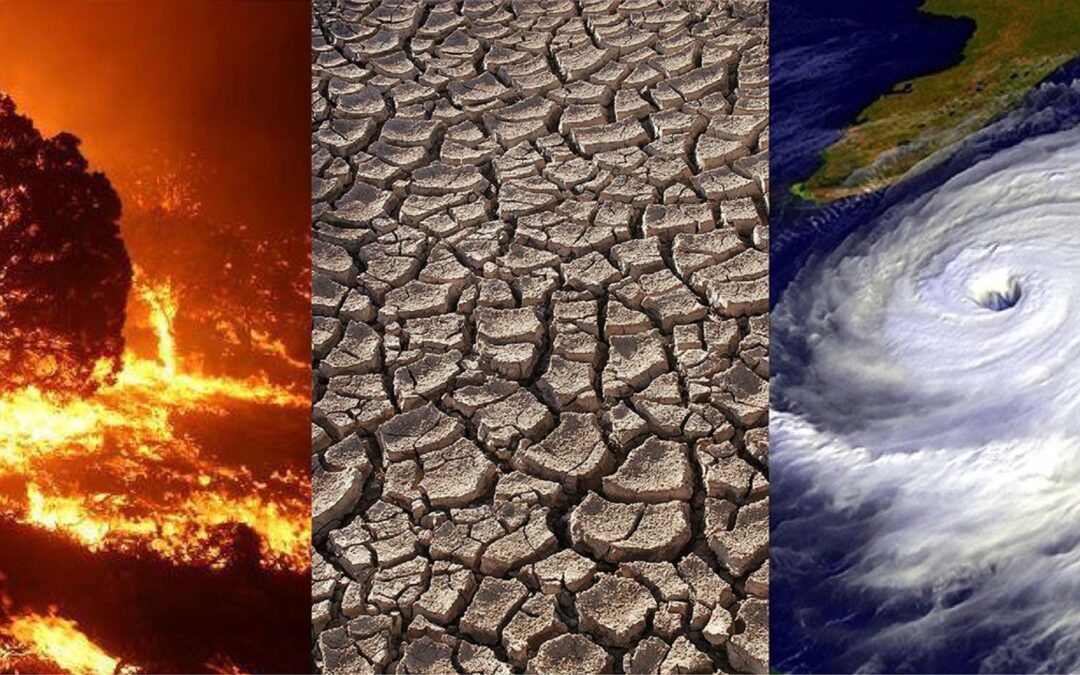
The report highlights the increasing impact of rising temperatures, erratic rainfall, heatwaves, prolonged dry spells, and extreme weather events on crop production and food security across the country.
To help farmers cope with changing climatic conditions, the Centre has prepared District Agriculture Contingency Plans (DACPs) for all 651 agricultural districts. These plans recommend region-specific climate-resilient crop varieties, improved cropping patterns, and better farm management practices.
Under the NICRA programme, ICAR is promoting climate-smart farming techniques such as the System of Rice Intensification (SRI), direct-seeded rice, aerobic rice, zero-till wheat, and in-situ crop residue management. These initiatives are currently being implemented in 448 Climate Resilient Villages across 151 vulnerable districts in 28 States and Union Territories, supported by village seed banks, community nurseries, and climate risk management committees.
The government also highlighted significant progress in developing climate-resilient crop varieties. Between 2014 and 2024, ICAR released 2,900 crop varieties, including 2,661 varieties resistant to biotic and abiotic stresses. These include 1,258 cereal varieties, 410 pulse varieties, and 368 oilseed varieties, along with improved fiber, forage, and sugarcane crops.
Climate-resilient seed production has also witnessed steady growth. Breeder seed production increased from 10,086.9 quintals in 2019-20 to 39,919.5 quintals in 2025-26, while quality seed production rose from 31,272.7 quintals to 85,534.9 quintals during the same period. Overall, more than 159,600 quintals of breeder seed and 382,855 quintals of quality seed of climate-resilient varieties have been produced over the past seven years.
The assessment underscores the urgent need to strengthen climate-resilient agriculture as India faces increasing weather-related threats to its farming sector and food security.