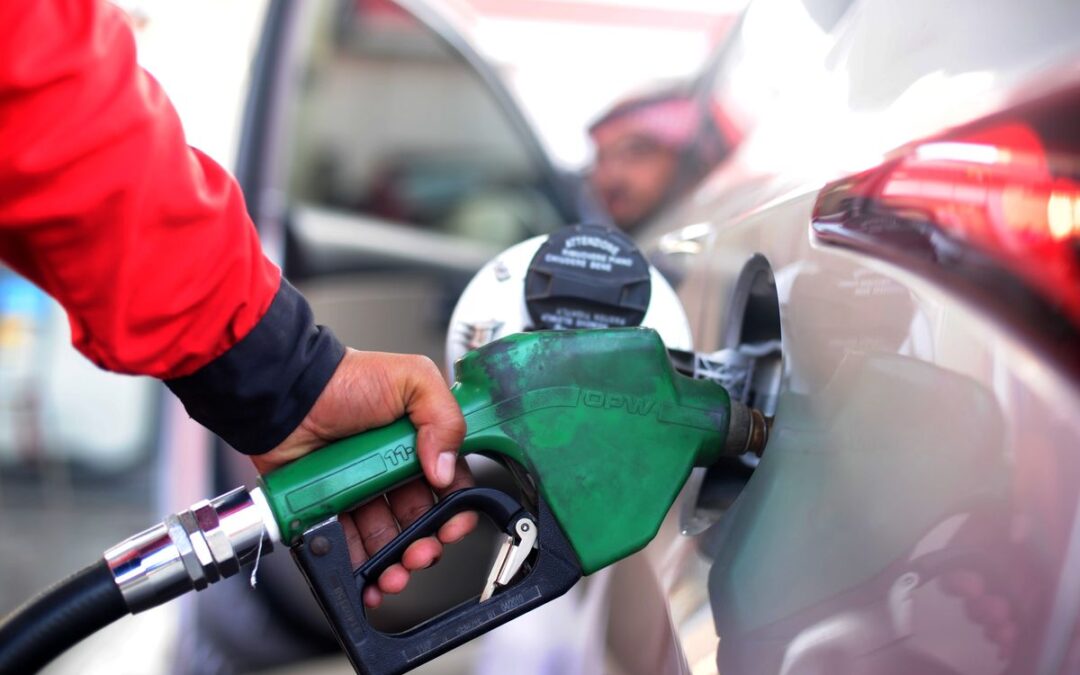
The Centre has amended vehicle emission certification rules to formally recognise vehicles capable of running on 100% ethanol (E100), alongside those designed for E85 fuel. The change, notified by the Ministry of Road Transport and Highways (MoRTH), marks a regulatory step towards expanding the use of ethanol as an alternative automotive fuel.
The ministry amended the Central Motor Vehicles Rules, 1989, through a notification dated October 23, published in the Gazette on October 26. The revised provisions replace references to E85 with “E85 or E100” in specified emission-related rules.
However, the change applies only to vehicles specifically designed by original equipment manufacturers (OEMs) as flex-fuel vehicles. Conventional petrol cars, including those designed for E10 or E20 fuel, cannot automatically use E85 or E100.
MoRTH advised motorists to check their vehicle’s fuel compatibility sticker and consult the owner’s manual before selecting a fuel.
Government Pushes for Greater Energy Independence
The government expects flex-fuel technology to strengthen domestic fuel production and reduce India’s dependence on imported crude oil. The initiative is also linked to the country’s long-term goal of achieving net-zero emissions by 2070.
The regulatory change formalises an existing automotive standard rather than immediately introducing E100-compatible vehicles across the market. Limited sales of flex-fuel vehicles and the availability of high-ethanol fuels remain significant barriers to widespread adoption.
The development follows concerns raised by motorists after the rollout of E20 petrol, which contains 20% ethanol, particularly regarding fuel efficiency and compatibility with older vehicles. The government has maintained that studies have found no significant adverse impact on vehicle performance or components from E20, although fuel economy can vary between vehicles.
Flex-Fuel Vehicle Sales Remain Limited
India’s first flex-fuel passenger car, a Maruti Suzuki Wagon R capable of using petrol-ethanol blends ranging from E20 to E100, has recorded limited sales since its launch on June 4, according to industry sources cited in the report.
At the HT Auto Leaderboard Awards and Summit 2026 on September 30, Union Road Transport and Highways Minister Nitin Gadkari said Mahindra, Toyota, Suzuki and Hyundai could launch flex-fuel engines within one to two months. His remarks indicated anticipated launches rather than confirmed dates announced by the manufacturers.
Industry representatives have welcomed the E100 notification but stressed that wider adoption will require coordination between automakers, fuel suppliers and ethanol producers, alongside consistent procurement policies and long-term demand planning.
E85 and E100 Fuel Availability to Expand
The petroleum ministry announced the launch of E85 at 48 public-sector oil marketing company outlets in June. The government plans to expand the network to approximately 500 outlets by December 2026 and 5,000 by December 2027.
Akshay Modi, managing director of Modi Biotech Pvt Ltd, said E100 could help utilise ethanol production capacity beyond current blending requirements and create opportunities for fuel markets near rural ethanol-producing clusters.
Industry bodies have also called for sustained policy support and wider availability of compatible vehicles to establish a viable market for high-ethanol fuels.
The success of the initiative will depend on whether the regulatory change is matched by greater consumer adoption, affordable flex-fuel vehicles and a reliable retail supply of E85 and E100.