US President Donald Trump on Wednesday (local time) urged countries facing fuel shortages during the ongoing Iran conflict to either purchase oil from the United States or take stronger action to secure supplies via the Strait of Hormuz.
In a prime-time address from the White House’s Cross Hall, Trump said nations struggling with energy access should “buy oil from the United States” or “go to the Strait and protect it,” suggesting a more assertive approach as Iran continues to restrict maritime flows. He claimed Iran had been significantly weakened, adding that “the hard part is done.”
Oil prices surge after remarks
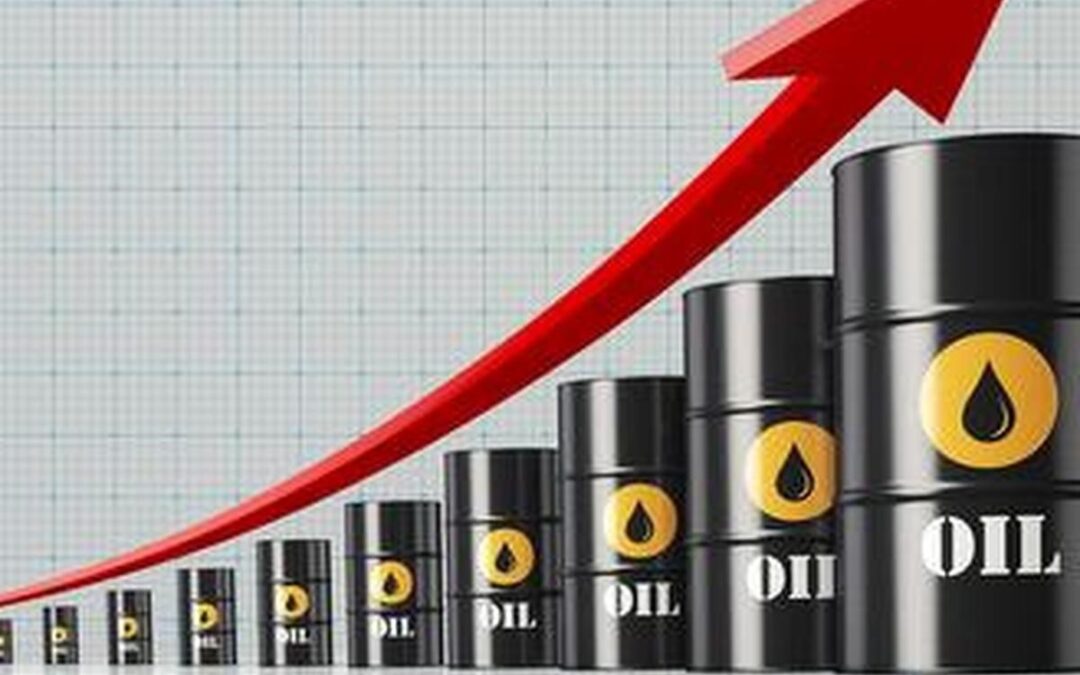
Following the address, global oil prices spiked sharply. US West Texas Intermediate (WTI) crude rose 3.8% to $103.9 per barrel, while Brent crude jumped 4.74% to $106.0. The surge reversed earlier losses in the day, when markets had dipped amid uncertainty over Washington’s next steps in the conflict.
Trump expressed confidence that fuel prices would stabilise once supply routes reopen, adding that financial markets, including Wall Street, are likely to rebound after the crisis subsides.
War objectives and military update
The address outlined Washington’s key objectives: dismantling Iran’s missile and naval capabilities, curbing proxy influence in the region, and preventing Tehran from acquiring nuclear weapons.
Trump described the past month of military operations under Operation Epic Fury as decisive. He claimed Iran’s missile and drone capabilities had been significantly reduced, with weapons facilities destroyed and naval and air power severely weakened. He also said the Islamic Revolutionary Guard Corps (IRGC) was being “decimated.”
Escalating regional tensions
The remarks come more than a month after the US, alongside Israel, launched strikes against Iran. The conflict has since intensified, with Iran tightening its grip over the Strait of Hormuz—one of the world’s most critical oil transit routes—disrupting global energy supplies.
Tehran has continued retaliatory attacks on Israel and other countries in the Persian Gulf, even as airstrikes have targeted key Iranian locations. The ongoing standoff has heightened global concerns over energy security and the risk of a prolonged regional conflict.