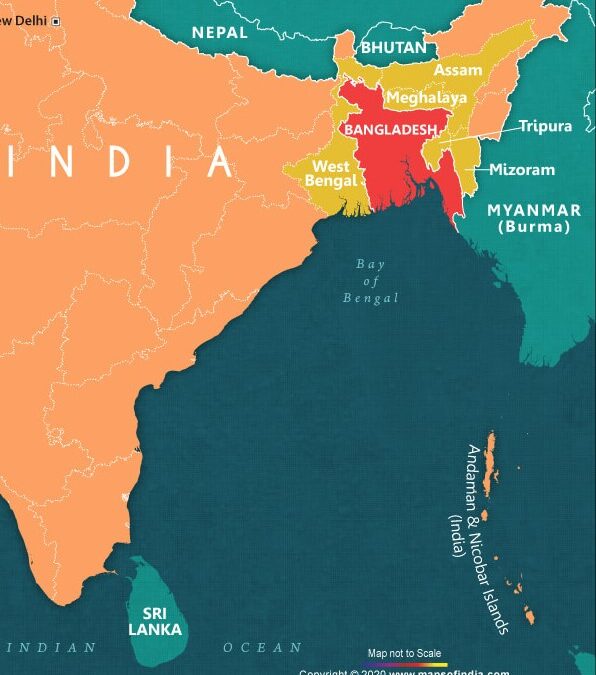
The BJP’s victory in West Bengal is expected to ease long-standing frictions between New Delhi and Kolkata, potentially opening the door for stronger engagement with Bangladesh across sectors such as water sharing, trade, border management, connectivity, and security.
The electoral upset marks the end of Mamata Banerjee’s long tenure, pushing her back into opposition after a decisive defeat. Despite retaining a significant vote share, the Trinamool Congress failed to overcome anti-incumbency, corruption allegations, and a resurgent BJP campaign.
For Bangladesh, the political shift could bring a more aligned Centre-state approach from India, something that Dhaka has long viewed as essential for progress in bilateral ties. However, sensitivities remain. Issues such as illegal immigration, border policies, and identity politics could complicate relations if handled without restraint.
The development also carries geopolitical implications. Any aggressive posturing risks pushing Bangladesh closer to China, which has steadily expanded its economic and strategic footprint in the region.
One key opportunity lies in reviving the stalled Teesta water-sharing agreement, which had faced resistance from the previous state government. Progress on this front could serve as a confidence-building measure and positively influence other negotiations, including the renewal of the Ganges water treaty.
While the results strengthen New Delhi’s hand diplomatically, the challenge will be to balance domestic political priorities with regional stability and long-term strategic interests.