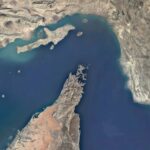
As geopolitical tensions intensify across the Middle East, global attention is increasingly turning from the Strait of Hormuz to another crucial maritime corridor — the Bab al-Mandab Strait. The narrow waterway, located between Yemen and the Horn of Africa, has become a growing focus of concern as Iran and its regional allies explore ways to expand strategic pressure on their rivals.
Reports from Iranian state-linked media suggest that Tehran may view the Bab al-Mandab as a potential leverage point in its confrontation with Israel and the United States. The possibility that Iran-backed Houthi forces in Yemen could disrupt maritime traffic through the area has raised alarms about the security of one of the world’s most important shipping routes.
Why the Bab al-Mandab Matters
The Bab al-Mandab Strait serves as a vital gateway linking the Red Sea with the Gulf of Aden and, ultimately, the Indian Ocean. It also provides access to the Suez Canal, making it a critical artery for trade between Asia, Europe and the Middle East.
Millions of barrels of oil and petroleum products pass through the strait every day, alongside a significant share of global commercial shipping. Any disruption to traffic in the area could force vessels to take the much longer route around the southern tip of Africa, leading to higher transportation costs, increased insurance premiums and delays in global supply chains.
Iran’s Expanding Maritime Strategy
Although Iran does not border the Bab al-Mandab Strait, its influence in Yemen through the Houthi movement gives it indirect access to one of the world’s most strategic waterways. Analysts believe Tehran increasingly relies on allied groups across the region to exert pressure without engaging directly in military confrontation.
In this broader strategy, the Bab al-Mandab is increasingly viewed as a complement to the Strait of Hormuz. While Hormuz remains the world’s most important oil transit route, carrying roughly one-fifth of global oil supplies, recent crises have highlighted its vulnerability during periods of conflict. The Bab al-Mandab now appears to be emerging as an additional pressure point that could amplify Iran’s regional influence.
Houthi Capabilities Already Tested
The Iran-aligned Houthi movement has already demonstrated its ability to affect maritime security in the Red Sea. During the Gaza conflict, the group launched a series of attacks on commercial vessels it claimed were linked to Israel and its allies. These incidents forced many shipping companies to alter routes and avoid parts of the region.
Although the Bab al-Mandab has not been fully blocked, the threat of attacks has significantly altered shipping patterns. Several operators opted for longer voyages around Africa rather than risk passing through high-threat zones in the Red Sea.
Regional Conflict Raises Stakes
Concerns over the security of the strait come amid a wider escalation of conflict across the Middle East. Hostilities involving Israel, Iran and Iran-backed groups have intensified, while fighting between Israel and Hezbollah has continued despite diplomatic efforts to prevent a broader war.
Iran has repeatedly warned that continued military action by Israel could trigger wider regional responses. Analysts fear that key maritime corridors such as the Bab al-Mandab could become part of that broader strategic contest, increasing risks for international trade and energy markets.
Global Economic Impact Could Be Significant
Any disruption to shipping through the Bab al-Mandab would likely have immediate international repercussions. Energy markets could react with price increases, while shipping firms would face higher operational and insurance costs. Supply chains already strained by previous Red Sea disruptions could experience further delays and inefficiencies.
Countries across the Gulf, including major energy exporters, are closely monitoring developments. Their reliance on Red Sea shipping routes makes the stability of the Bab al-Mandab particularly important for maintaining uninterrupted exports and economic security.
A Chokepoint to Watch
While there is currently no confirmed plan to close or block the Bab al-Mandab Strait, the growing attention being paid to the waterway underscores the widening geographic scope of tensions in the Middle East. As regional rivalries deepen, the strategic significance of this narrow maritime corridor is likely to remain at the centre of global security and trade concerns.