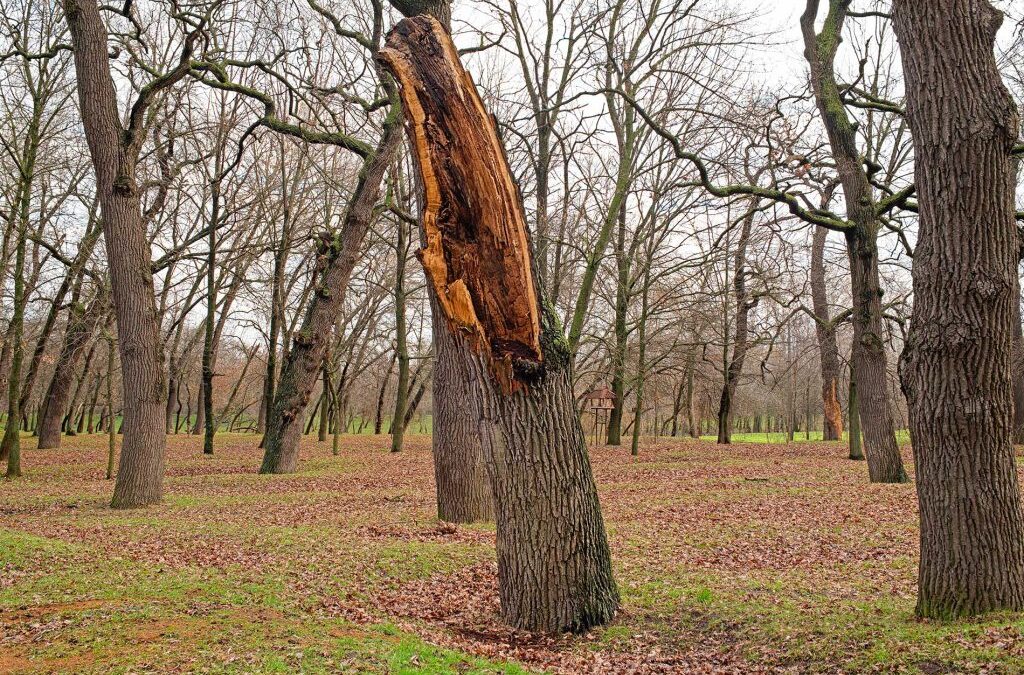
In Australia’s rainforests, a newly identified species known as the “zombie tree” is drawing global scientific attention—not for how it lives, but for how it may soon disappear. The tree, Rhodamnia zombi, is biologically alive but incapable of reproducing, placing it on the brink of extinction.
What is the ‘zombie tree’?
Discovered in Queensland in 2020, Rhodamnia zombi earned its eerie nickname because it cannot produce flowers, fruits, or seeds. Although some individual trees remain alive, repeated infections have halted their ability to regenerate, rendering the species “functionally extinct” in the wild.
Botanists describe it as “the living dead”—a species that exists physically but has no natural future without intervention.
The fungal threat behind its decline
The primary culprit is myrtle rust, a highly contagious fungal disease caused by Austropuccinia psidii. This pathogen attacks plants in the Myrtaceae family, which includes ecologically vital species like eucalyptus and tea trees.
The fungus spreads easily through wind, animals, insects, and even human activity. Once it infects a plant, it causes yellow or orange lesions on leaves and new growth, eventually preventing reproduction entirely.
A major concern is that many Australian native species are “naive hosts,” meaning they have not evolved resistance to this invasive disease, allowing it to spread rapidly and destructively.
Scientific efforts to save the species
Researchers are now working urgently to prevent the tree’s complete disappearance. Key strategies include:
- Cloning surviving trees through cuttings grown in controlled environments
- Developing treatments, including fungicides and experimental RNA-based solutions to boost disease resistance
- Growing disease-free seedlings in protected conditions, with the aim of reintroducing resilient plants into the wild
These approaches offer a narrow but critical window of hope for the species.
A warning beyond one tree
The crisis surrounding Rhodamnia zombi highlights a broader ecological threat. Myrtle rust affects multiple species across Australia’s rainforests, raising concerns about biodiversity loss and ecosystem imbalance.
More broadly, it underscores how invasive pathogens—accelerated by globalisation and climate change—can devastate native species that lack natural defences.
The fate of the “zombie tree” is therefore more than a botanical concern. It is a stark reminder of nature’s fragility—and a test of how effectively science and conservation can respond to emerging environmental threats.