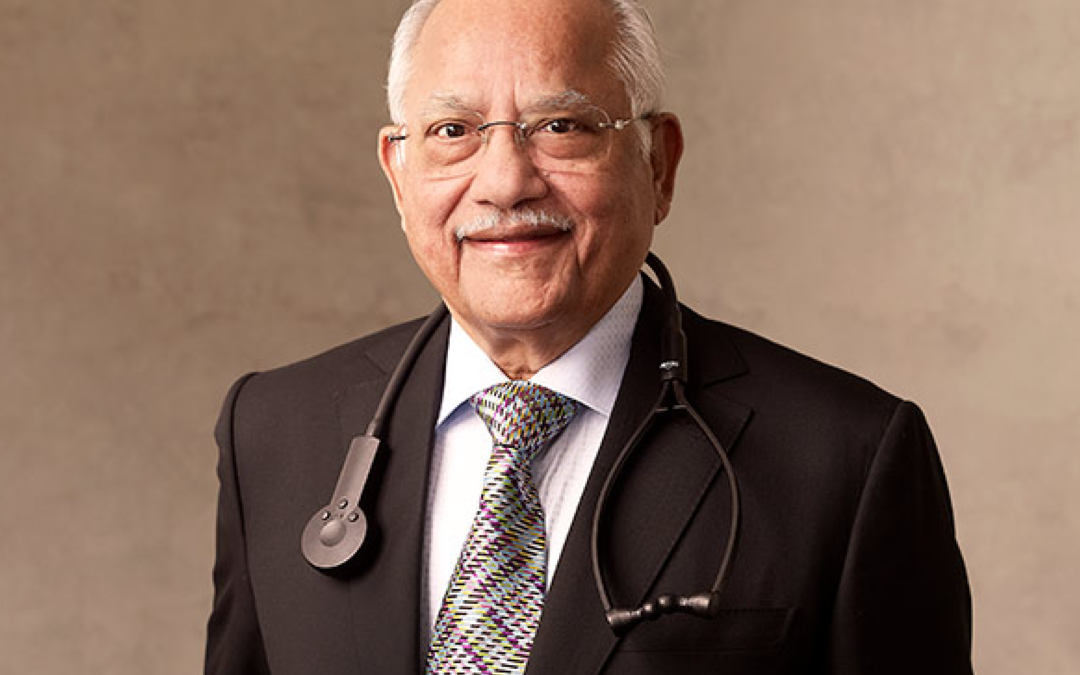
CHENNAI: Apollo Hospitals chairman Dr Prathap C. Reddy, who turns 93 on Thursday, remains a commanding presence—tall, composed, and driven by a mission that has shaped modern healthcare in India. A successful cardiologist in the United States, he returned home after his father urged him to “help people in India.”
A defining moment came in 1979, when a 35-year-old patient died because treatment abroad was unaffordable. Watching the widow and her children grieve, Dr Reddy asked himself: If Indian doctors can save lives in the US, why can’t they do the same in India?
That question changed the country’s medical landscape.
Dr Reddy lobbied then prime minister Indira Gandhi to slash import duties on medical equipment from 300% to zero. With bank funding and subsidised cement and steel, he built Apollo Chennai—India’s first multi-specialty hospital—in 1983, pledging that 25% of patients would receive free treatment.
His reformist zeal extended beyond infrastructure. Hours before Apollo opened, Dr Reddy ordered the removal of a large “Casualty” sign. “Why would trauma patients want to be wheeled into ‘casualty’ rooms?” he recalled. Despite staff concerns that patients would not recognise any other term, he insisted on renaming it “Emergency”—a change that later became standard across the country.
Four decades on, his “4Cs” philosophy—clinical excellence, compassionate care, cost-effectiveness and cutting-edge technology—anchors a healthcare network of over 10,000 beds. Apollo today matches reputed international hospitals in cardiac care, organ transplants and clinical outcomes, while delivering treatment at a fraction of developed-world costs.
The group continues to invest in advanced care. Southeast Asia’s first proton therapy centre is already operational in Chennai, with next-generation upgrades planned for Mumbai and Delhi.
Dr Reddy’s current ambition is to position India as a global healthcare destination. He believes a visa-on-arrival policy for patients from friendly nations could double international patient inflows overnight across India’s 400 hospitals, including Apollo—creating jobs and retaining skilled doctors and nurses.
At the same time, he stresses the need to improve domestic health outcomes. Periodic health checks, AI-driven health risk assessments and genetic testing must become routine, he said. “People should not assume they are healthy—they must be told they are healthy.”
He acknowledges that preventive care cannot succeed without health insurance reforms.
Dr Reddy also embodies the principles he advocates. “Like any other Indian, I have all the health risks,” he said. He has lived with diabetes for nearly 50 years, has hypertension and high cholesterol, and was once overweight. Fifteen years ago, he suffered a heart attack.
“But preventive health checks, early diagnosis, proper treatment, diet and regular exercise have kept me going,” he said. He now walks for 20 minutes daily, including at least seven minutes of brisk walking, and has lost about 15 kg from his peak weight of nearly 105 kg. His blood pressure and blood sugar levels are under control.
“Indians have a genetic predisposition to certain non-communicable diseases,” he said, “but they can all be managed with the right lifestyle and medication.”