In times of conflict, one reality becomes clear: global power flows through maritime trade routes. From oil and LNG to semiconductors and consumer goods, much of the world’s economy depends on a few critical sea lanes—especially chokepoints like the Strait of Hormuz.
Recent tensions between the United States and Iran have once again highlighted how disruptions in these corridors can ripple across global markets, raising costs and destabilising supply chains. Control over such routes has long translated into geopolitical influence.
Arctic Emerges as a Strategic Alternative
As reliance on traditional chokepoints becomes riskier, countries are increasingly exploring alternative trade corridors. The Arctic is now emerging as a key contender—not just a frozen expanse, but a potential global shipping highway.
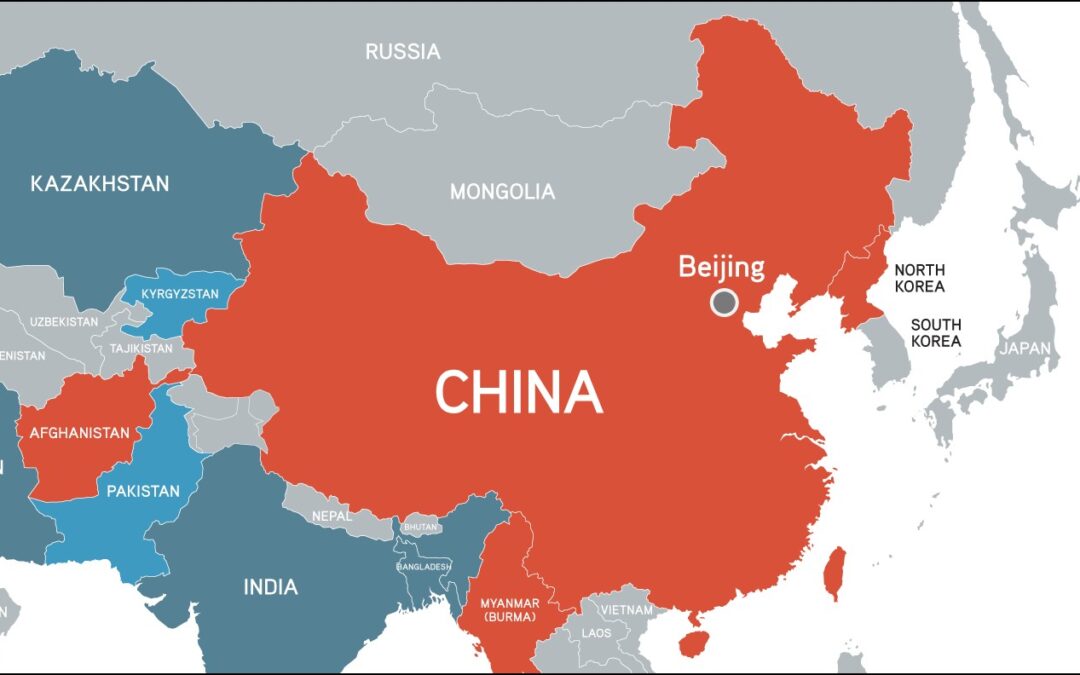
Russia and China are at the forefront of this shift. Russia brings decades of Arctic expertise, supported by a fleet of nuclear-powered icebreakers and submarines capable of long deployments in extreme conditions. China, aligning with Moscow, is advancing its “Polar Silk Road” strategy as part of its broader global connectivity ambitions.
Their collaboration signals more than exploration—it reflects a strategic effort to reshape global trade routes and challenge the dominance of traditional maritime powers.
Shorter Routes, Bigger Stakes
Two major Arctic routes are central to this transformation:
- The Northwest Passage through Canada
- The Northern Sea Route (NSR) along Russia’s coast
These corridors could cut travel distances between Asia and Europe by up to 4,500 nautical miles—potentially halving transit time compared to the Suez Canal route.
The benefits are significant: lower fuel costs, faster shipping, and improved efficiency. Arctic traffic is already rising, with over 1,800 ships recorded in 2025—a 40% increase since 2013. China has also begun testing these routes commercially.
However, challenges remain. Harsh weather, limited infrastructure, and seasonal ice still make Arctic shipping complex and expensive.
Russia’s Strategic Edge
Russia currently dominates the Arctic landscape, both economically and militarily. It controls vast oil and gas reserves in the region, with Arctic fields contributing significantly to its energy output.
Moscow has heavily invested in developing the Northern Sea Route, especially after Western sanctions pushed it to redirect energy exports toward Asia.
Bottom line: What began as an environmental shift due to melting ice has evolved into a geopolitical contest. The Arctic is fast becoming a new frontier in global trade—one that could redefine economic power and challenge long-standing maritime dominance.