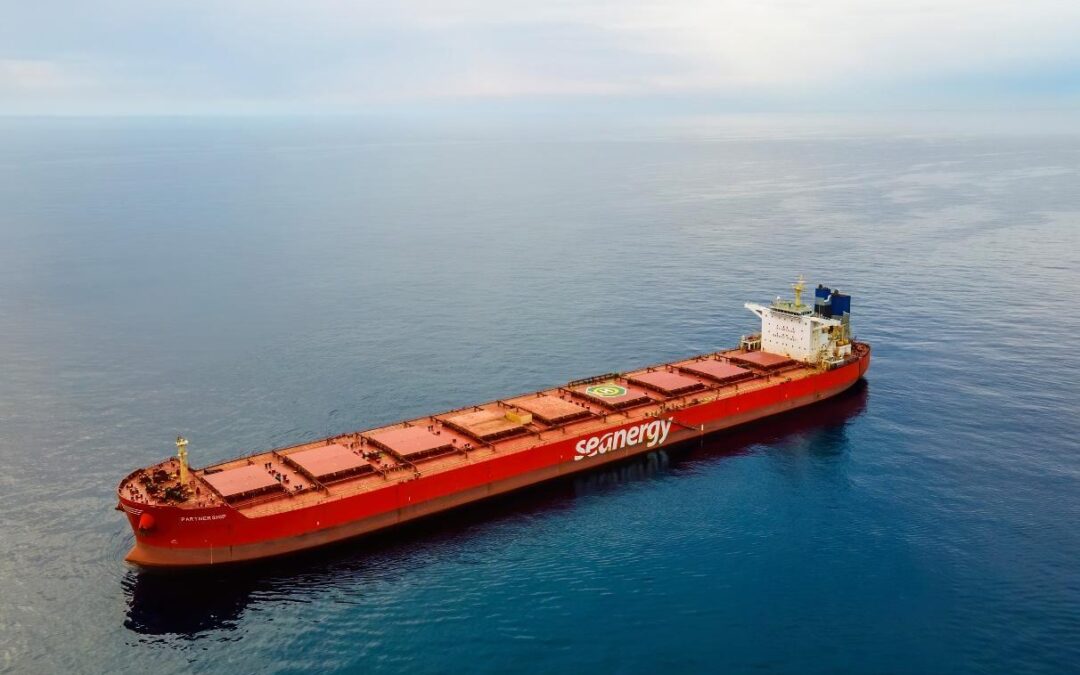
The latest installations of wind propulsion technology on large commercial vessels have pushed the global fleet of cargo ships capable of harnessing wind energy beyond the 100-vessel milestone, representing over five million tonnes of deadweight (DWT) cargo carrying capacity.
The passing of this milestone marks a significant turning point in the uptake of wind propulsion in the commercial fleet. What was once widely viewed as a niche or historical form of ocean transport is now emerging as one of the fastest-growing practical decarbonisation solutions across multiple segments of the shipping industry.
These ships are fitted with over 230 individual wind propulsion systems, and collectively they are now saving over 100,000 tonnes of CO2 per year. The number of wind-powered ships is further boosted by 12 large cargo ships that are ‘wind-ready’ with infrastructure already installed on deck if, or when, full installation of a wind propulsion device is required, but these don’t feature in this headline number. Additionally, a fleet of dozens of smaller cargo ships, under 400GT are also utilising wind power, as are a number of traditionally rigged cruise ships and these are also not included in this tally.
After several years of renewed investment in technologies designed to capture the power of the wind at sea, deployment in the sector is accelerating, with the number of vessels roughly doubling year-on-year. The speed of the early market expansion underlines how quickly the technology is moving into the mainstream.
In May 2022, 21 large commercial vessels were using wind propulsion technologies, representing approximately 1 million DWT of cargo carrying capacity. Just four years later, that figure has increased almost fivefold. Included in that number are six primary wind ships, ranging from 80m to 220m in length, predominantly operating on wind. That number is also expected to grow substantially.
Several wind propulsion solutions are available to ship owners, including suction sails, rigid and semi-rigid wing sails, rotor sails, traction kites, and traditional soft sail systems.
Currently, the tanker and bulker sectors lead the field in the number of ships with wind propulsion systems installed. At the time of writing, 37 Tankers and 24 Bulk Carriers were equipped with the technology, plus 24 RoRo and RoPax vessels combined and 19 General Cargo ships.
As the sole industry association representing wind-assist and primary wind propulsion technology developers and institutions supporting the adoption of wind energy in shipping, the International Windship Association (IWSA) welcomes this growing momentum in installations.
Gavin Allwright, Secretary General of the IWSA, says, “This surge of installations has been driven by a sustained rise in full-scale testing, independent verification and commercial validation of systems over the past five years, giving shipowners growing confidence in the operational and financial case for adoption. However, we can go further and faster on these installations, with everyone focused on the scaling towards the 1,000 ships and beyond.”
Allwright continues, “With all of the current uncertainty surrounding the IMO global decarbonisation framework and geopolitical upheaval, we still see a relatively healthy pipeline of retrofit and newbuild orders and construction underway. We estimate that the number of wind propulsion installed ships will once again double in the next 12 months, amounting to around 200 large commercial vessels in total by this time next year.”
Further projections from past EU-commissioned research and the UK Clean Maritime Plan have estimated a penetration rate of up to 15% of the fleet using wind by the early 2030s and 40-45% by the 2050s. If the shipping industry and regulators decide to set an ambitious course towards zero emissions, these projections could even prove to be conservative.
Allwright concludes, “Reaching the 100-ship, 200+ systems installed milestone represents an important market marker for wind propulsion technology. At this point, we can expect a sustained reduction in return-on-investment timeframes, particularly if fuel prices remain high, as manufacturing scales up and installation experience grows. It is increasingly clear why wind is such an attractive option for shipowners: it offers positive financial returns, increased energy security, measurable decarbonisation gains and technology pathways that can support compliance with tightening emissions regulation today.”
With wind propulsion technologies proven to deliver 5–20% of a ship’s propulsive energy as a retrofitted wind-assist installation, or far higher power levels from optimised and fully integrated newbuild deployments, wind power is a valuable renewable energy pathway, exclusively available to the shipping industry.
With fuel costs remaining volatile, regulatory pressure mounting and shipowners under increasing pressure to cut emissions without waiting for future alternative fuel availability, wind energy is rapidly establishing itself as a mainstream component of the global shipping industry’s decarbonisation transition.
Source: International Windship Association