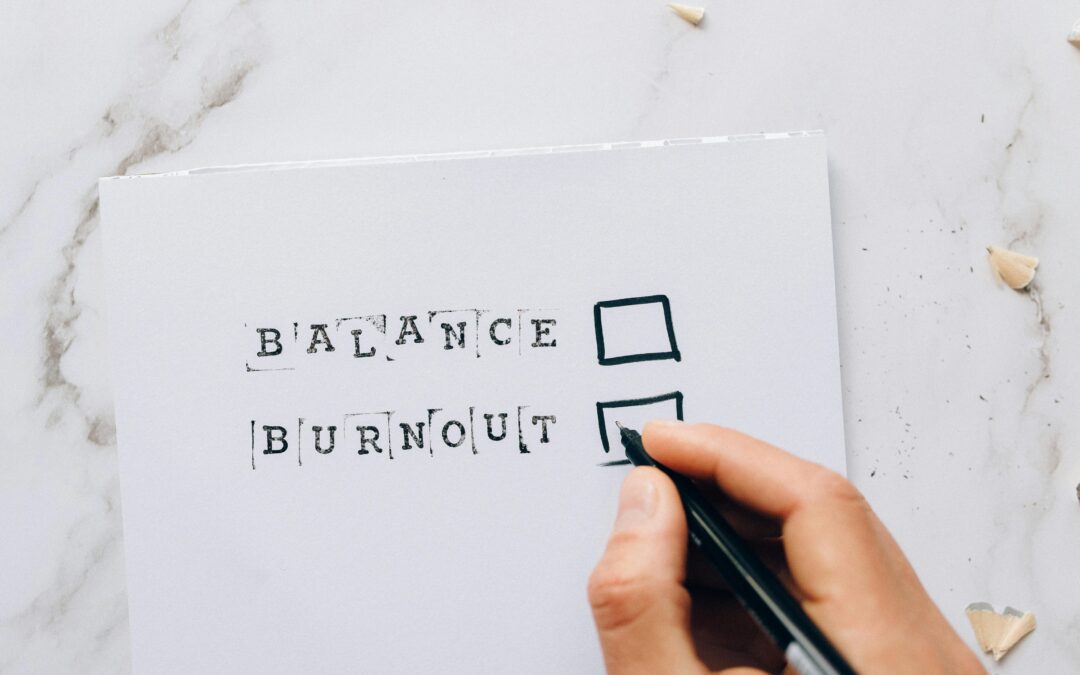
Ever felt tired even after doing nothing big? That’s where burnout begins. It happens when you’ve been running on empty for way too long. It shows up as emotional exhaustion, where even small things feel heavy. Then comes mental detachment, where you stop caring like you used to. You might also feel like you’re not achieving anything, even if you’re doing a lot. The tricky part is burnout doesn’t hit all at once. It’s more like a slow leak than a sudden crash, where your energy and motivation slowly fade.
Are you working hard or burning out?
At first, they can look the same, but they feel very different over time. When you’re working hard, it usually feels energizing. You might be tired, but it’s the kind of tired that feels worth it because you’re moving toward something meaningful. For example, pulling a late night to finish a project you care about can feel intense, but you still wake up with a sense of purpose.
Burnout, on the other hand, feels draining. No matter how much effort you put in, everything starts to feel pointless. Tasks that once excited you now feel like a burden. Instead of short term fatigue, you experience constant exhaustion that doesn’t really go away. Imagine studying every day but feeling more tired and less motivated, even after taking breaks. That’s a sign something deeper is off.
Another key difference is recovery. With hard work, rest actually helps. A good night’s sleep or a day off can recharge you and bring your focus back. But with burnout, rest doesn’t seem to fix things. You might sleep more or take time off, yet still feel mentally and emotionally drained.
The tricky part is burnout often hides behind productivity. You might still be checking tasks off your list and showing up every day, but inside, your energy is fading. Recognizing the difference matters because working hard can help you grow, while burnout slowly pulls you down.

Early Sign of Burnout
Burnout usually shows up through three core signs, and they build up slowly if you ignore them.
- Exhaustion
This is more than just being tired after a long day. It’s constant fatigue that doesn’t go away, even after rest. You wake up feeling drained, with low energy and brain fog that makes it hard to think clearly. It can feel like you’re completely “used up.” For example, you sleep well but still struggle to get out of bed, and even basic tasks feel like too much. An early sign here is dreading the start of your day because you already feel tired. - Cynicism or Detachment
This is when your connection to what you do starts fading. You lose interest in work or studies and begin feeling negative or easily irritated. Over time, you might feel emotionally numb, like you’re just going through the motions. For example, something small like a message or assignment annoys you more than it should. - Reduced Performance
Burnout also affects how well you perform. Your productivity drops, and concentrating becomes harder. You may procrastinate more because even small tasks feel huge. There’s also a feeling that nothing you do is good enough. For example, you sit down to work but keep delaying it, then struggle to finish simple tasks. Early on, this shows up as a drop in motivation and avoiding work you used to handle easily.
Catching these early signs can help you take action before burnout fully takes over.
Practical Tricks to Avoid Burnout
- a) Energy Management > Time Management
Instead of focusing only on how many hours you work, pay attention to your energy levels. Your focus naturally rises and falls during the day, so it’s smarter to work with those cycles. Try using 90-minute-deep work blocks where you focus fully, then take a short break to reset. This helps you stay sharp without draining yourself. For example, studying with full focus for 90 minutes and then stepping away for 15 minutes can be more effective than forcing yourself to work for hours while feeling tired and distracted.
- b) Set Non-Negotiable Boundaries
Boundaries protect your time and energy from getting overused. Setting a fixed time to stop working each day helps your mind switch off and recover. Sleep is especially important, so treat it like a deadline you cannot miss. Without these limits, work can slowly take over your entire day. For example, deciding that you won’t check emails or do tasks after 9 pm creates a clear line between work and rest, helping you recharge properly instead of staying mentally active all night.
- c) The 3-Task Rule
Trying to do too many things in one day often leads to stress and unfinished work. The 3-task rule keeps things simple by focusing on only three important tasks each day. This makes your workload feel more manageable and gives you a clear direction. Completing these tasks creates a sense of progress instead of overwhelm. For example, instead of writing a long to do list, you pick three key goals like finishing an assignment, attending a meeting, and reviewing notes, and give them your full attention.
- d) Micro-Recovery Habits
Small breaks during the day can make a big difference in how you feel. Micro recovery habits like short walks, stretching, or sitting in silence for a few minutes help your mind and body reset. These breaks are not a waste of time; they actually improve focus and reduce stress. For example, taking a 5-minute walk after a long period of sitting can help you return with better clarity and energy, instead of feeling stuck and drained.
- e) Detach to Recharge
Constant connection to screens can make burnout worse, especially when you’re already tired. Taking short digital detox breaks helps your brain rest from constant input. Avoid scrolling when you feel drained, as it often leaves you feeling even more exhausted. Instead, give yourself time away from devices to truly relax. For example, putting your phone away for an hour in the evening can help you feel calmer and more refreshed compared to endlessly scrolling through content.
- f) Redefine Productivity
Productivity is not about how many hours you work, but what you actually get done. Focusing on output rather than time helps you work smarter, not harder. It’s also important to value progress over perfection. Waiting for everything to be perfect can slow you down and increase stress. For example, completing a task well and on time is more effective than spending extra hours trying to make it flawless. This mindset reduces pressure and keeps you moving forward.
How to Recover If You’re Already Burnt Out
Recovering from burnout is not about pushing harder. It starts with slowing down in a smart way.
The first step is to reduce your workload, even if it feels uncomfortable. Burnout usually comes from doing too much for too long, so adding more effort will only make it worse. Try to pause, delegate, or cut down on tasks where possible.
Next, talk to someone. Keeping everything inside can make burnout feel heavier. Sharing what you’re going through with a friend, mentor, or even a counselor can help you process your thoughts and feel supported. Sometimes, just being heard can reduce mental pressure.
You also need to reintroduce rest gradually. Don’t expect one day off to fix everything. Start with small, consistent breaks and give your mind time to recover.
Finally, reconnect with things you enjoy. Burnout often makes life feel dull, so bringing back small moments of joy can help you feel like yourself again. It could be a hobby, music, or spending time with people you like. Recovery takes time, but small steps make a real difference.
Conclusion:
Success isn’t about how much pain or pressure you can tolerate, it’s about how long you can keep going without losing yourself in the process. True success is built on balance, not burnout. If you push yourself to the edge all the time, you might achieve short term results, but you won’t be able to sustain them. Rest, recovery, and boundaries are part of growth, not weakness. You are not meant to run on empty forever. Work hard, stay consistent, but never at the cost of your health, peace, or identity.