INDORE: A long and painful chapter in the aftermath of the world’s worst industrial disaster—the 1984 Bhopal Gas Tragedy—closed on Sunday with the complete incineration of 337 metric tons of hazardous waste at a Treatment, Storage, and Disposal Facility (TSDF) in Pithampur, located in Madhya Pradesh’s Dhar district.
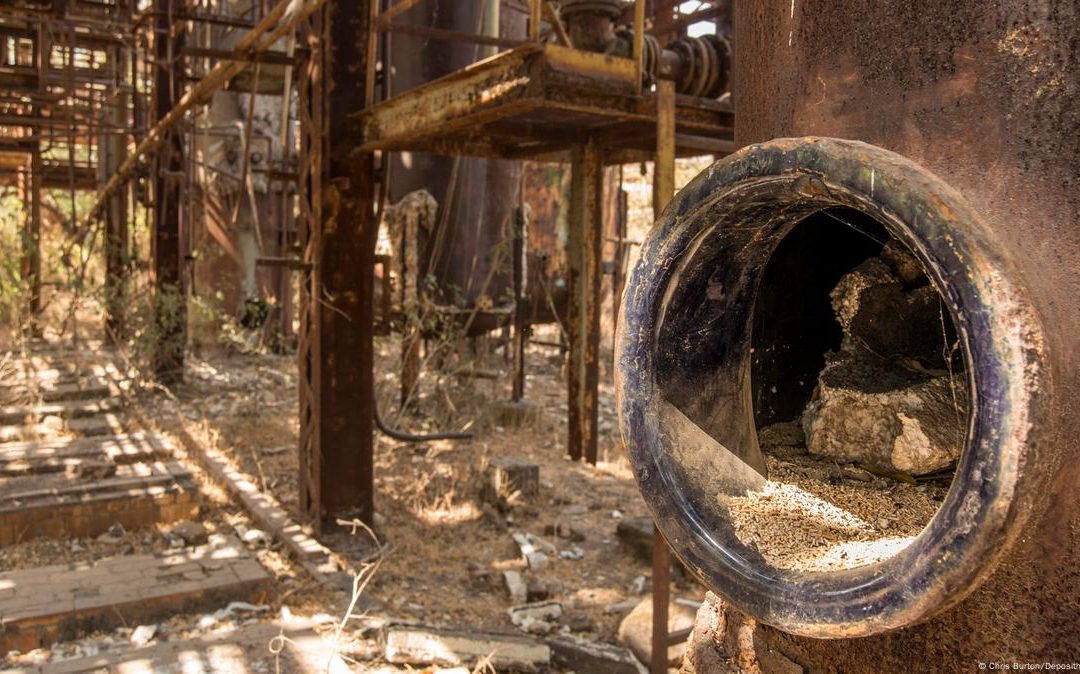
The toxic waste, stored in bags on the premises of the defunct Union Carbide factory in Bhopal for over four decades, was carefully transported in early January to the Pithampur plant, about 250 km away, under strict safety protocols.
“The incineration was successfully completed by 1 am on Sunday,” confirmed SN Dwivedi, regional officer of the Pollution Control Board (PCB) in Indore and head of the Dhar regional office.
Throughout the incineration process, emissions such as particulate matter (PM), sulphur dioxide, nitrogen oxides, carbon monoxide, hydrogen chloride, hydrogen fluoride, heavy metals, and total organic carbon were closely monitored and remained within permissible limits, he said.
To ensure transparency and safety, a real-time mercury tracking system was deployed at the incineration site, while two continuous ambient air quality monitoring stations were set up in the nearby villages of Chirakhan and Bajrangpura to track pollutant levels.
The burning process generated approximately 800 metric tons of ash and residue, which will now be disposed of in a secured landfill. Additionally, about 21 tons of remaining material—including packaging and soil used during the transport of the toxic waste from Bhopal—will undergo incineration by July 3, officials said.
The disposal marks a significant milestone in the decades-long struggle to address the environmental aftermath of the Bhopal disaster, which killed thousands and left a lasting toxic legacy.