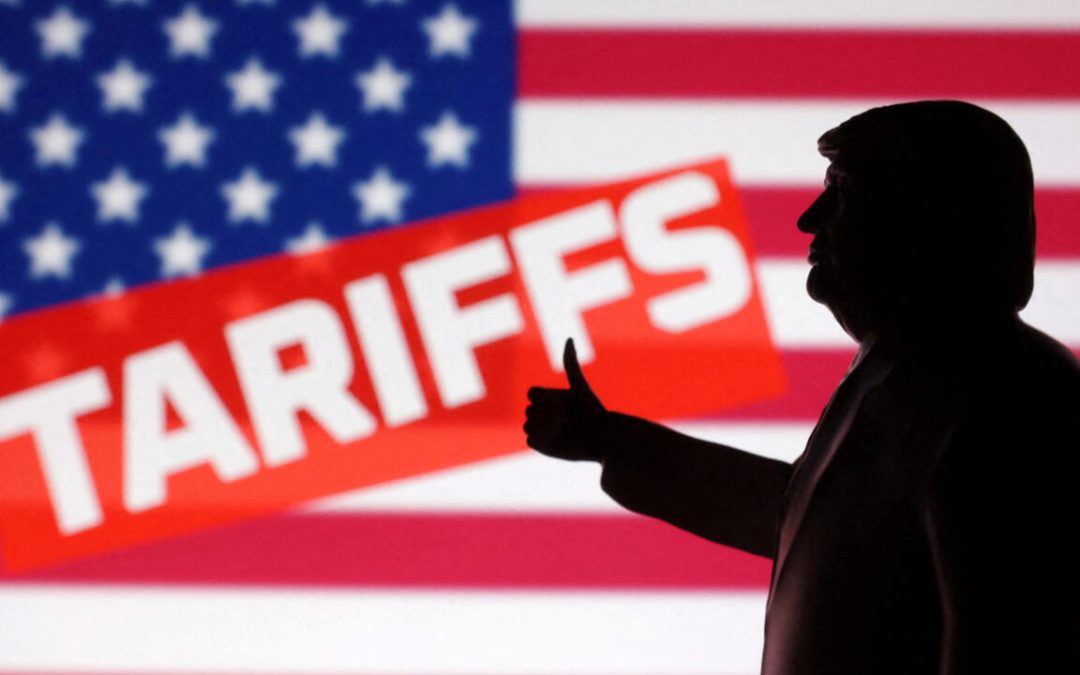
US President Donald Trump on Friday vowed to “fight back” after a federal appeals court ruled that many of his global tariffs were unlawful, while allowing them to remain in place temporarily.
The US Court of Appeals for the Federal Circuit in Washington found that Trump had overstepped his authority under the International Emergency Economic Powers Act (IEEPA) when he imposed sweeping tariffs during his presidency. The court noted that while the statute grants presidents broad powers during national emergencies, it does not authorize imposing tariffs, duties, or taxes.
The 7–4 ruling, however, left the tariffs in effect pending further appeal, giving Trump time to take the case to the Supreme Court.
Trump Pushes Back Hard
An indignant Trump blasted the ruling as “incorrect,” insisting: “ALL TARIFFS ARE STILL IN EFFECT!” In a series of posts on Truth Social, he warned that removing them would be catastrophic:
- “If tariffs ever went away, it would be a total disaster for the United States.”
- “The USA will no longer tolerate enormous trade deficits and unfair tariffs and non-tariff barriers imposed by other countries, friend or foe.”
- “If allowed to stand, this decision would literally destroy the United States of America.”
Trump argued that tariffs remain his “best tool” to protect US workers and manufacturers, describing them as vital for companies making “Made in America” products. He reiterated his commitment to appeal: “We will go to the Supreme Court to make America Rich, Strong, and Powerful Again.”
Court Says Trump Overreached
The ruling centered on tariffs Trump imposed almost universally on April 2 — a date he dubbed “Liberation Day” — as well as on specific duties targeting China, Mexico, and Canada. The court determined he had wrongly declared national emergencies to justify bypassing Congress.
Legal experts note that Trump’s broad claim of authority to levy tariffs at will now faces serious constraints. The administration warned that if the tariffs are ultimately struck down, the US government might have to refund billions in collected duties.
Billions at Stake
According to the Associated Press, tariff revenue had reached $159 billion by July — far more than anticipated. The Justice Department previously argued that scrapping them could mean “financial ruin” for the US, stripping away a crucial bargaining tool in trade negotiations.
Ashley Akers, a former Justice Department trial lawyer, cautioned that removing tariffs could embolden foreign governments: “They may resist future demands, delay implementing prior commitments, or even try to renegotiate terms.”
Limited Options Left
Even if the Supreme Court strikes down the tariffs, presidents retain narrower tools to impose trade barriers.
- The Trade Act of 1974 allows tariffs of up to 15% for a maximum of 150 days against countries with large US trade deficits.
- Section 232 of the Trade Expansion Act of 1962 permits tariffs on national security grounds, as used for past steel and aluminum duties. But this requires a Commerce Department investigation and cannot be imposed unilaterally.
For now, Trump’s tariffs remain in place, but their fate lies with the Supreme Court — and the outcome could reshape America’s trade policy for years to come.