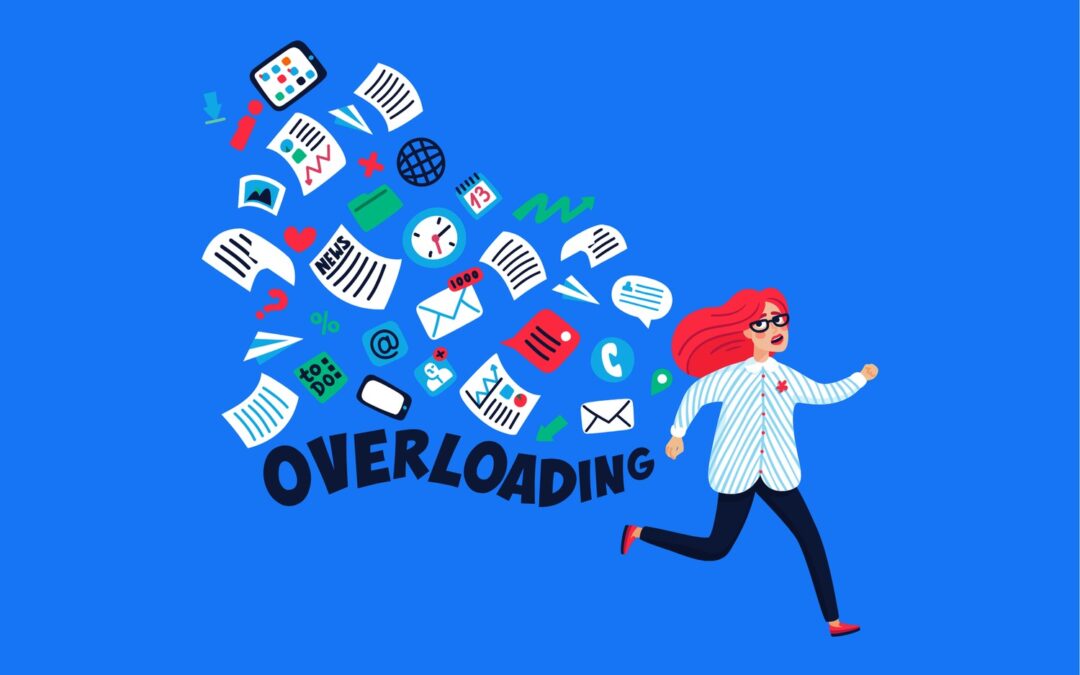
In a world where we’re constantly bombarded with choices, it might seem like more options would lead to more freedom. But paradoxically, the abundance of choice often leads to stress, indecision, and dissatisfaction. Imagine scrolling through endless Netflix options or staring at a wall of jeans, only to feel overwhelmed and leave empty-handed. This isn’t new, humans have shifted from scarcity to abundance, but this surplus has complicated decision-making. While choice is empowering, it often causes anxiety and regret, leaving us questioning if we made the right one.

Psychological Foundations of Choice
- Decision Fatigue
Constantly making decisions drains our mental energy. Over time, our ability to make thoughtful, deliberate choices decreases. This exhaustion often leads to poor decision-making, as we opt for easy or impulsive solutions to escape the cognitive load. The more decisions we face, the harder it becomes to make smart, reasoned ones. After a long day of making work-related decisions, you might impulsively order unhealthy takeout for dinner, not because you want it, but because you’re too mentally tired to think through healthier options.
- Choice Overload and Anxiety
Having too many options can cause anxiety rather than happiness. Studies show that an abundance of choices can lead to a fear of making the wrong decision, making us second-guess our selections and feel regret. Instead of increasing satisfaction, more options often lead to overwhelm, paralysis, and a lingering sense of dissatisfaction with whatever choice is made. While shopping online for a simple backpack, you’re bombarded with hundreds of styles, colors, and brands. After hours of comparing, you finally choose one—but feel uneasy, wondering if a better option was left behind.
- Sunk Cost Fallacy
The sunk cost fallacy happens when we continue investing in a choice or commitment because we’ve already put in significant time, money, or effort even if it’s no longer the best option. The more mental and emotional energy we’ve invested, the harder it becomes to walk away, leading to a cycle of staying committed to choices that no longer serve us. You stay in a long-term subscription or stick with a course you no longer enjoy, just because you’ve already paid for it or spent weeks on it—despite knowing it’s not worth your time anymore.
- Confusing Wants with Needs
In a world of endless options, it becomes harder to distinguish between what we truly need and what we merely want. This blurring leads to overconsumption, indecision, and dissatisfaction. For instance, shopping for a phone, you may start with a need for basic features, but end up overwhelmed by luxury options you don’t require—yet feel pressured to want.
The Science Behind the Paradox
Psychologist Barry Schwartz, in his book The Paradox of Choice, argues that while freedom of choice is essential, too much of it often backfires. Instead of feeling liberated, we become anxious, doubtful, and less satisfied. Schwartz suggests that endless options push us to constantly question our decisions, fearing we’ve missed something better.
Supporting his claims, various studies reveal the dark side of abundance. A famous experiment offered shoppers six jam varieties on one table and 24 on another. Surprisingly, people were more likely to buy from the table with fewer options. Why? Simplicity reduced decision pressure.
More choices force us to overanalyze, increasing regret and reducing joy, even after we’ve made a decision. Science confirms what we intuitively feel: when everything is possible, nothing feels quite right.
How the Paradox Plays Out in Real Life
- Consumerism and Marketing
Companies exploit the paradox of choice by flooding consumers with options or creating artificial urgency. Limited-time offers, overwhelming product variations, or subscription traps push people to act quickly or impulsively. You’re shopping online for a skincare product and find 30 similar creams, each claiming to be the best. A flashing “Only 2 left!” label pressures you into buying before you’ve even had time to compare properly.
- Social Media and Comparison
Social media amplifies choice-related stress by constantly showing idealized lifestyles, relationships, and career paths. The more “options” we see others living, the more we question our own choices. This breeds FOMO and dissatisfaction. Scrolling Instagram, you see friends traveling, switching careers, or getting married. Even if you’re content, you begin to wonder if you’re missing out because too many life “paths” are on display.
- Technology & Personalization
Apps and platforms use algorithms to offer hyper-personalized content, but this often results in an overload of suggestions. While personalization aims to help, it can overwhelm and paralyze decision-making. You open a music app to relax, but instead of picking a playlist, you’re stuck toggling between hundreds of auto-generated mixes, genres, moods, and daily recommendations—until listening to music feels like a chore.
The Hidden Costs of Choice in Modern Life
- Time and Energy Drain
The constant demand to make choices, big or small—quietly chips away at our mental resources. Deciding what show to watch, which route to take, or which notification to answer consumes time and cognitive energy. Over time, this leads to mental fatigue, reducing our ability to focus, work efficiently, or enjoy downtime. Choice, in excess, makes everyday life feel more exhausting than it needs to be.
- Impact on Relationships
With dating apps, networking platforms, and endless friend suggestions, relationships are no longer limited by proximity but this freedom can be counterproductive. The sense of infinite options makes it harder to commit, leading to superficial connections or constant comparison. Instead of investing in depth, people often stay in limbo, afraid to choose when “something better” might be out there.
- Analysis Paralysis
When faced with too many options, we often freeze. This “analysis paralysis” delays action, as we overthink, compare, and worry about regret. Whether it’s picking a new phone, choosing a major, or deciding dinner, too much choice often leads to no decision at all—costing time, opportunity, and peace of mind.
The Upside of Limited Choices
- The Benefits of Constraints
Surprisingly, having fewer options can make decisions easier and outcomes more satisfying. When choices are limited, we tend to focus more, decide faster, and feel more confident, reducing second-guessing and regret. This is the core of the “less is more” mindset.
- Simplifying Life
Minimalist living embraces this idea, trading excess for clarity. From capsule wardrobes to digital detoxes, people are intentionally reducing choices to reclaim time, attention, and peace of mind. Trends like decluttering and mindful consumption show that fewer options often lead to richer, more intentional living.
Solutions to the Paradox of Choice
- Decision-Making Strategies
Adopting methods like satisficing—choosing what’s “good enough” instead of perfect can reduce stress and speed up decisions. The two-step rule suggests first narrowing down options, then choosing from a smaller, manageable set. For example, when buying a laptop, shortlist 3 based on key needs, then decide rather than browsing hundreds aimlessly.
- Reducing Cognitive Load
Creating routines and automating small decisions can preserve mental energy for what truly matters. Think of Steve Jobs’ signature black turtleneck, it eliminated daily outfit choices. Meal prepping, setting default apps, or scheduling workouts in advance are simple ways to avoid decision fatigue.
The Future of AI and Decision-Making
Emerging technologies aim to streamline choices through predictive algorithms that learn preferences and narrow options automatically. Virtual assistants may soon anticipate needs before we even ask. However, this convenience raises concerns—will too much reliance on AI reduce autonomy or create filter bubbles? For example, future shopping platforms might auto-curate product selections, easing decisions but limiting exposure to unexpected or diverse alternatives.
Conclusion
The paradox of choice reminds us that more isn’t always better. While freedom to choose empowers us, too many options can lead to stress, regret, and inaction. In a world of endless decisions, both big and small—it’s vital to recognize how choice affects our well-being.
Reflect on your own patterns: Are you overwhelmed by options? Try simplifying. Prioritize what truly matters. By embracing fewer but more meaningful choices, we can regain clarity, reduce anxiety, and live more intentionally in today’s noisy, option-filled world.