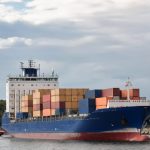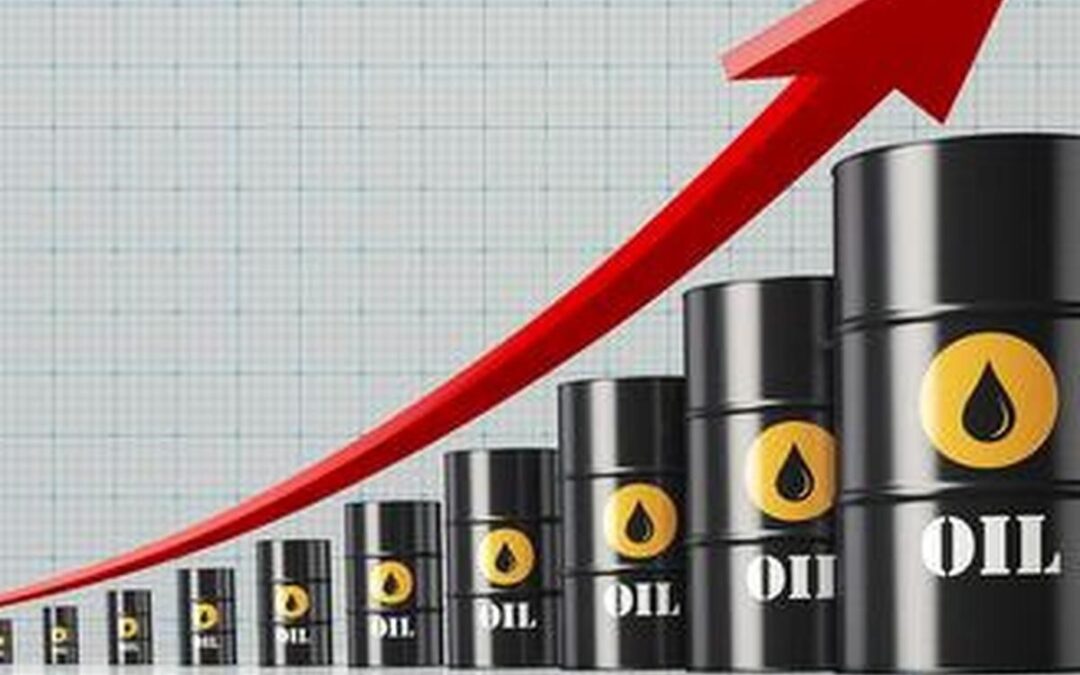
Bunker fuel used by container vessels has doubled over the past three weeks, increasing costs across supply chains.
There is a low probability that American consumers will be immediately impacted by the ongoing Middle East conflict, according to Gene Seroka, Executive Director of the Port of Los Angeles.
Seroka notes that the ports of Los Angeles and neighbouring Long Beach together handle about 40% of US imports, with the majority of cargo originating from Asia rather than the Middle East.
As a result, supply chains linked to US-bound goods remain largely insulated from disruptions in that region.
“We don’t share vessel assets, cruise, or other routing instructions with those cargo ships that go to the Middle East,” he says, underscoring the limited direct exposure of US trade flows.
However, rising bunker fuel costs are beginning to have an impact. The fuel used to power large container vessels has doubled over the past three weeks, even though Middle East-linked trade accounts for only about 10% of global cargo.
Despite its relatively small share, the conflict has drawn disproportionate attention from global shipping players.
Seroka expects supply chains to remain intact in the near term, but at a higher cost due to increased fuel prices.
In a worst-case scenario, he warns that fuel supplies could be cut off, leading to shortages. Still, mitigation measures are already in place. Ships are increasingly taking alternative routes and fuelling at ports such as Los Angeles and Long Beach, leaving the system “in pretty good shape” for now.
A prolonged conflict involving Iran could, however, disrupt trade flows across key transshipment hubs such as Singapore, Shanghai, and ports in Korea and Japan.
If cargo bound for the Middle East stalls at these relay ports, it could create congestion and interfere with shipments traditionally destined for the United States.
Despite these risks, Seroka says ongoing coordination across ports, shipping companies, logistics firms, and manufacturers has helped maintain a reasonable flow of cargo globally.
Seasonality is also offering some relief. With the industry just emerging from the Lunar New Year holiday, a typically slower period, the Port of Los Angeles is better positioned to absorb fluctuations in cargo volumes than it would be during peak season.
Still, congestion remains a concern. If ports begin to clog and storage space at manufacturing sites fills up, cargo will need to be moved more frequently.
These additional handling requirements could drive up costs further, ultimately placing a burden on American consumers.
Source: ENGINE