LONDON: The United Kingdom on Wednesday unveiled 90 new sanctions aimed at crippling Russia’s oil revenue streams, targeting state energy giants Rosneft and Lukoil, as well as Indian refiner Nayara Energy Limited. The move, coordinated by the Foreign, Commonwealth and Development Office (FCDO) and the UK Treasury, is part of London’s latest effort to cut off funding for Moscow’s ongoing war against Ukraine.
“This action demonstrates the government’s determination to strike at the heart of Putin’s war machine by cutting off his key revenue sources,” the FCDO said in an official statement.
Targets: shadow fleet, oil terminals, and Indian refiner
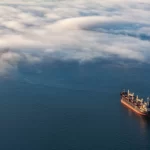
The sweeping sanctions list includes 44 tankers believed to be part of Russia’s so-called ‘shadow fleet’ used to transport crude oil, four oil terminals in China, and Nayara Energy, which the UK claims imported over 100 million barrels of Russian oil worth USD 5 billion in 2024.
Officials said the measures are designed to “take Russian oil off the market” and choke the flow of energy revenues that sustain the Kremlin’s “war chest.”
EU sanctions and Nayara’s response
The latest UK action follows similar European Union sanctions against Nayara Energy earlier this year. The company — partly owned by Russia’s Rosneft — has denied any wrongdoing, asserting that it operates in full compliance with Indian laws.
“Nayara Energy operates in accordance with all Indian regulations and remains committed to supporting India’s energy security and economic growth,” the firm said in a statement responding to EU sanctions. It added that the restrictions were “unilateral and baseless,” arguing they represent “an undue extension of authority that ignores international law and India’s sovereignty.”
Focus on Rosneft and Lukoil — the Kremlin’s top earners
The UK said the new sanctions directly target Rosneft and Lukoil, which together export around 3.1 million barrels of oil per day. The FCDO noted that Rosneft alone accounts for nearly half of Russia’s oil production and about six per cent of global supply.
By striking at these companies and their global partners, London hopes to further restrict Moscow’s access to energy revenues — a vital financial lifeline funding the war in Ukraine.