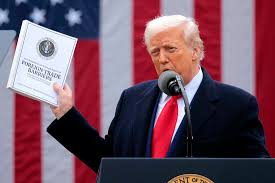
NEW DELHI: U.S. President Donald Trump on Tuesday indicated that India could face a 20–25% tariff on its exports to the U.S., slightly below the 26% reciprocal rate he had floated in April. However, he emphasized that the final decision is still pending as the two countries work toward a trade agreement ahead of the August 1 deadline.
When asked by reporters if the 20–25% tariff was likely, Trump responded, “I think so,” while reiterating his concerns over India’s high tariff regime.
“India has been a good friend, but it imposes some of the highest tariffs in the world. You just can’t do that,” he said aboard Air Force One, returning from a visit to Scotland.
The proposed tariffs would include a 10% baseline levy and could potentially place India in a more competitive position than Bangladesh in the U.S. textiles market. However, Vietnam (20%), Indonesia (19%), and others like the EU and Japan (15%), as well as the UK (10%), would still enjoy better terms. Chinese goods, by comparison, currently face a 30% duty.
Despite progress with other trade partners — including Japan, Indonesia, and the European Union — U.S.-India trade negotiations remain unresolved. The main sticking points include India’s refusal to lower tariffs on farm and dairy products and its ban on genetically modified agricultural imports.
Talks are ongoing, with both nations working on the first phase of a trade deal, expected by September or October. An American delegation is scheduled to visit New Delhi on August 25 to resume discussions.
U.S. Trade Representative Jamieson Greer noted earlier this week that Washington needs more time to assess India’s openness to broader market access for American exports.
The potential tariff move is seen as part of Trump’s broader effort to recalibrate U.S. trade relations globally — and pressure India to make concessions in ongoing negotiations.