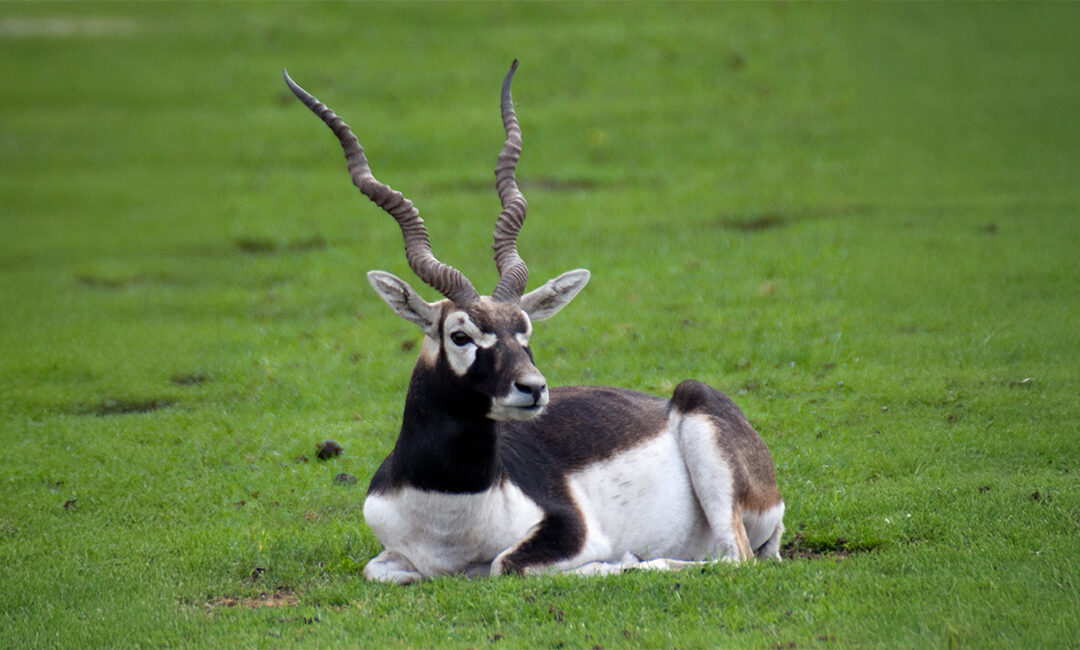
Belagavi: The number of endangered blackbucks that have died at the Kittur Rani Channamma Mini Zoo in Belagavi increased to 29 on Sunday following the death of another animal. This series of fatalities, involving a species that is protected under the Wildlife Protection Act, has prompted significant concerns regarding the zoo’s preparedness and response strategies. Eight blackbucks perished on Thursday, and an additional 20 died on Saturday. Officials indicated that initial postmortem results suggest an outbreak of Hemorrhagic Septicemia (HS), a highly infectious bacterial disease known to spread swiftly among herbivores, including blackbucks and deer. Comprehensive reports from the Forensic Science Laboratory (FSL) are pending to verify the cause. Dr. Manjunath V, a consultant in urology and andrology at Bannerghatta National Park, who examined the zoo on Sunday, remarked that HS bacteria can persist within herbivore populations but may become more active under stress. “A sudden drop in temperature to 13°C seems to have triggered the increase in bacterial activity,” he stated. However, it remains uncertain why the deaths occurred so suddenly and severely despite the initiation of treatment. Following the eight fatalities on Thursday, the forest department commenced the administration of antibiotics. With no deaths reported on Friday, officials were optimistic that the situation had stabilized. Nevertheless, the unexpected loss of 20 blackbucks on Saturday has raised concerns about the possibility of other contributing factors. Food samples have been dispatched to the FSL for analysis.
Virologist Dr. Chandrashekhar N observed that similarly swift fatalities have been documented previously in Bannerghatta National Park, Vadodara in Gujarat, and other locations. “In severe outbreaks, animals can perish within two to three hours,” he stated. Samples of viscera, kidneys, heart, liver, and blood have been gathered, with analysis anticipated by Tuesday. A report will subsequently be presented to forest minister Eshwar Khandre. Sunil Panwar, member-secretary of the Zoo Authority of Karnataka, mentioned that a team of veterinarians has conducted the postmortems and examined the facility. He cleared the staff of any wrongdoing, stating, “No negligence has been identified thus far. Precautionary measures were implemented immediately following the initial fatalities. However, should any oversight be discovered, stringent action will be enforced.” While the investigation is ongoing, conservationists remain split in their opinions. Wildlife conservationist Giridhar Kulkarni described the incident as a “significant environmental loss,” contending that a more prompt response could have mitigated or averted the deaths. He emphasized that every zoo is mandated to establish a Health Advisory Committee (HAC) in accordance with Central Zoo Authority regulations, and asserted that the committee’s operations in this instance warrant examination. In spite of the ongoing crisis, the zoo remained open to visitors on Sunday. Deputy conservator of forests NE Kranti affirmed that sufficient precautions were implemented. “If we were to close the zoo, it could result in misunderstandings. We aim to prevent panic,” he remarked. The blackbucks were transferred from Gadag zoo four years prior. Of the 29 deceased, 14 were males. The remaining nine blackbucks at the facility have been quarantined and are receiving treatment.