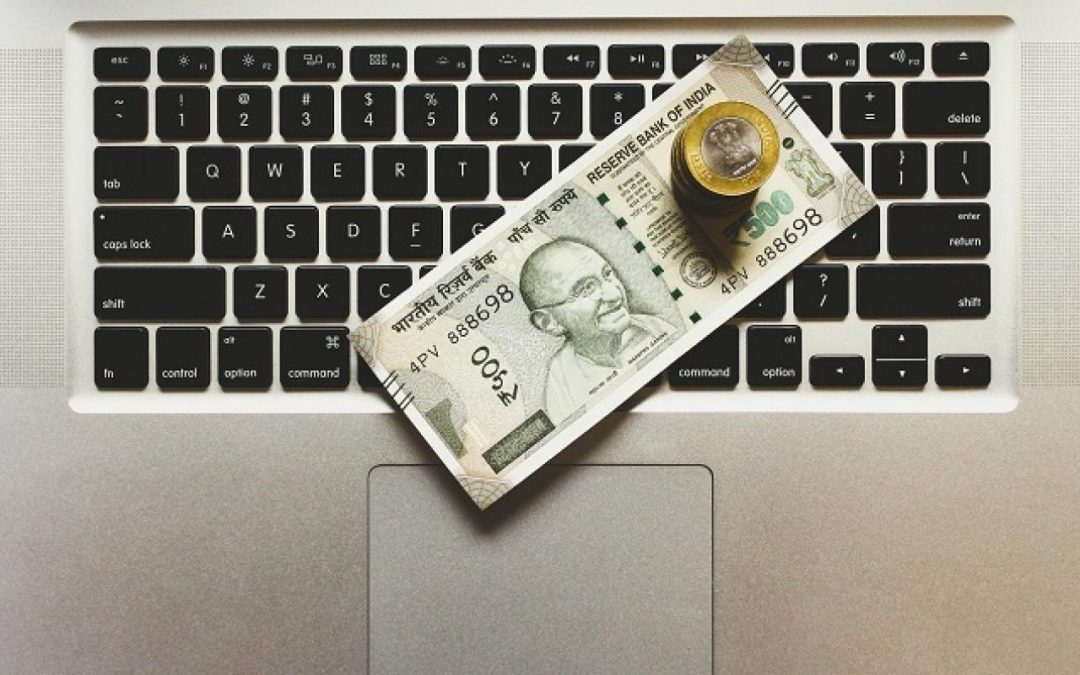
NEW DELHI: A new report by the International Monetary Fund (IMF) highlights that the rise of UPI (Unified Payments Interface) in India has contributed significantly to the reduction in cash usage. The IMF team analyzed indicators like ATM withdrawals and currency in circulation as a percentage of GDP to measure this shift.
“Since its introduction in 2016, UPI has grown rapidly, and we have started to observe a decline in traditional cash usage proxies. UPI now processes over 18 billion transactions each month, outpacing other electronic payment methods in India. Today, India leads the world in the speed of payments,” the report stated. It also strongly endorsed interoperable payment systems like UPI, emphasizing that they enable seamless transactions between different payment providers.
The UPI ecosystem has expanded to include over 600 banks and 200 apps. Initially, most users accessed UPI through their bank apps, as these institutions were trusted. However, the paper noted that over time, users have shifted towards third-party apps, likely due to superior features and the flexibility to switch between providers, thanks to UPI’s interoperability.
Currently, these third-party apps dominate the UPI space, and among banks, private sector players are seeing a higher share of customers opting for their services compared to public sector banks.