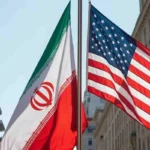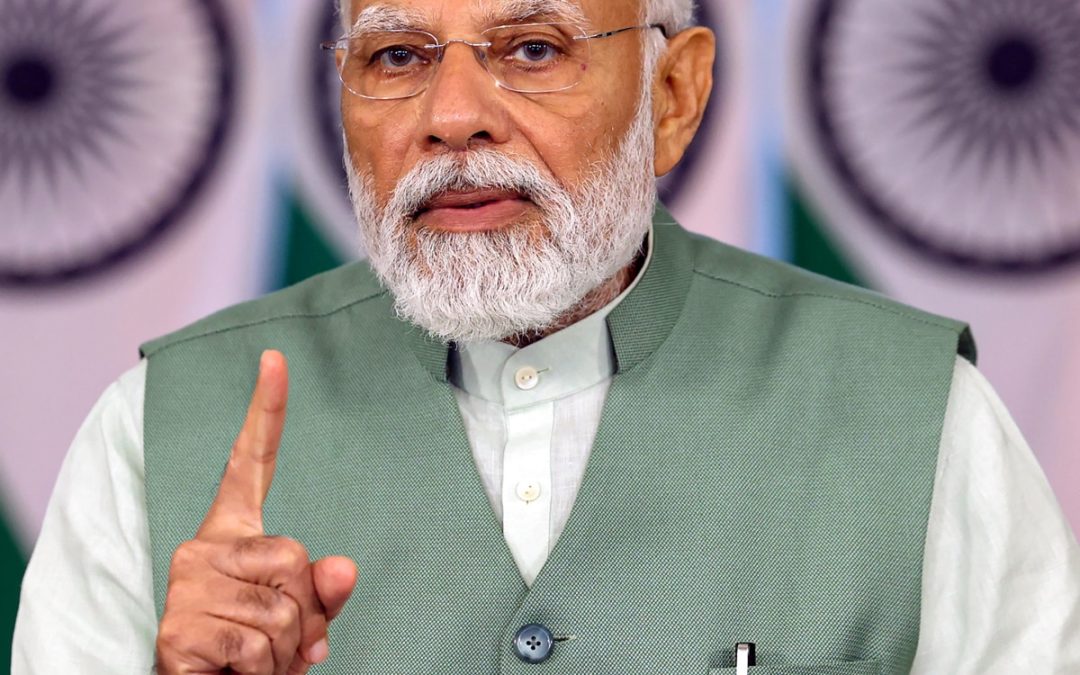
NEW DELHI: Prime Minister Narendra Modi on Thursday sought to play down concerns over an energy crisis triggered by the ongoing conflict involving the United States, Israel and Iran, while accusing some groups of attempting to create panic over LPG supplies.
Speaking at the NXT Summit, the Prime Minister indirectly criticised those he said were spreading fear about the situation and pushing their own agendas.
“We must make collective efforts, keeping the national interest above everything and fulfilling our duties. These days, there is a lot of discussion about LPG. Some people are trying to create panic. They want to push their own agenda,” Modi said.
“At this time, I do not wish to make political comments about them. But by doing this, they are not only exposing themselves before the public but also causing harm to the country,” he added.
Modi said the government had focused on strengthening self-reliance in the energy sector so that India does not depend solely on foreign sources for its energy needs.
“To ensure we are not dependent only on external sources of energy, emphasis was placed on self-reliance in the energy sector. Until 2014, there were only 14 crore LPG connections in the country. Today, that number has more than doubled to 33 crore household LPG connections,” he said.
He also noted that the country had only four LNG terminals in 2014, but their number has since doubled.
“No country is untouched by the impact of this global crisis. In varying degrees, every nation is facing its consequences. India too is making every possible effort to deal with the situation,” the Prime Minister said.
Modi emphasised that the government is working to ensure that the effects of the conflict do not place an undue burden on citizens.
“The Government of India has always tried to ensure that the burden arising from situations caused by war does not fall on our citizens. This time as well, we will make every possible effort to minimise the impact on the lives of farmers and the public,” he said.
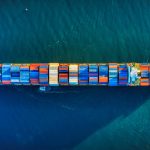
Concerns over LPG availability have grown across the country as the escalating conflict in the Middle East disrupts global energy supply chains. The closure of the Strait of Hormuz following Iran’s retaliation against US–Israel strikes has led to panic buying, long queues at LPG agencies and petrol pumps, and forced restaurants and small businesses to adopt alternative cooking arrangements.
To address the situation, the government has taken steps to boost domestic LPG production and secure alternative imports. Sujata Sharma, Joint Secretary in the Oil Ministry, said domestic LPG production has been increased by 28%, and the government has allowed a portion of commercial LPG supplies to be diverted to meet about one-fifth of household demand.
“The state governments will have to identify the beneficiaries,” she said.
As panic buying increased, the government also extended the LPG refill ordering window for rural consumers to 45 days, up from the 25-day limit set last week for all users, which had earlier replaced the previous 21-day limit. The measure aims to regulate demand and ensure fair distribution during the supply disruptions caused by the West Asia crisis.
In addition, the government has raised the monthly kerosene quota released to states for the first time in over a decade. The move temporarily reverses the earlier policy of phasing out kerosene, a heavily subsidised fuel that had also been prone to misuse through adulteration in petrol.