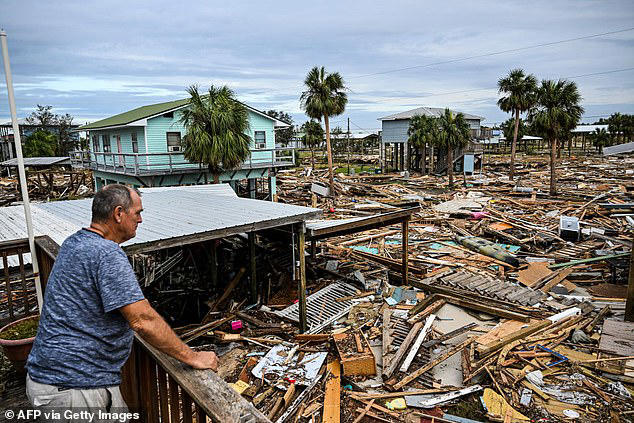
MIAMI: A prominent South Florida meteorologist has raised alarm over potential inaccuracies in hurricane forecasting this season, blaming deep staff cuts at key federal weather agencies.
During a recent broadcast on NBC affiliate WTVJ, meteorologist John Morales recalled confidently assuring viewers during the 2019 hurricane season that a threatening storm would change course. “I told you, ‘It’s going to turn. You don’t need to worry,’” he said. “But I’m not sure I can do that this year.”
Morales criticized what he described as a “sledgehammer attack on science,” referring to recent reductions in staff at the National Weather Service (NWS) and the National Oceanic and Atmospheric Administration (NOAA). “This is a multi-generational impact on science in this country,” he said. “In particular, NWS offices across Central and South Florida—from Tampa to Key West, including Miami—are currently operating with 20 to 40% fewer staff.”
The staffing shortages are affecting forecast accuracy nationwide, Morales warned. “We’ve already seen a nearly 20% reduction in weather balloon launches, which are critical for gathering atmospheric data. As a result, forecast quality is beginning to degrade.”
The cuts stem from government restructuring efforts earlier this year led by the Department of Government Efficiency under Elon Musk’s brief tenure. The agency reportedly dismissed hundreds of forecasters and placed others on probation, ultimately eliminating over 1,000 positions by April. Nearly half of the NWS’s forecasting centers are now operating with 20% of their roles unfilled.
With hurricane season officially beginning Sunday, the timing of these shortages is raising concerns across southeastern states regularly impacted by Atlantic storms.
In response to growing criticism, NOAA told The Hill on Tuesday that it is actively addressing the situation. “NOAA leadership is taking steps to fill vacancies left by early retirements,” a spokesperson said. The agency is conducting temporary duty assignments and rolling out Reassignment Opportunity Notices (RONs) to prioritize hiring in regions with the greatest need.
Despite those efforts, forecasters like Morales remain worried. “When science is underfunded, the public pays the price. And with hurricane season here, that price could be very high,” he said.