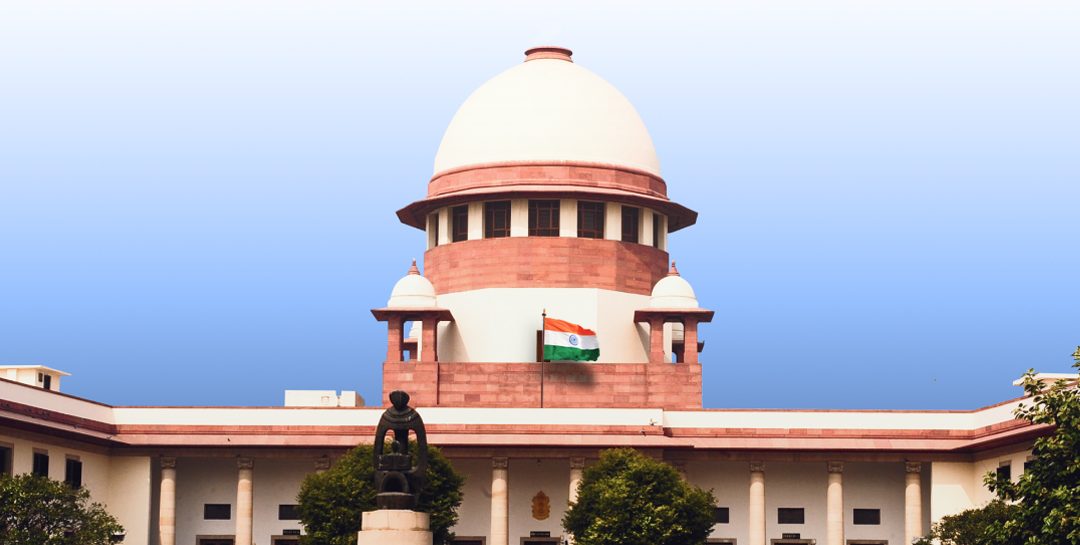
NEW DELHI: The Supreme Court has expressed strong disapproval over recent controversial remarks made by judges of the Allahabad High Court, including one in which a judge suggested that a rape survivor had “invited trouble,” implying she was responsible for the alleged assault.
“There’s yet another order by yet another judge,” a visibly displeased Supreme Court bench remarked, highlighting growing concern over a pattern of insensitive and inappropriate observations in judicial orders. The apex court has already taken suo motu cognizance of two such instances and is currently examining them.
The bench of Justices B.R. Gavai and A.G. Masih was hearing a suo motu case initiated after the Allahabad High Court ruled that actions such as groping a child, tearing her pyjama string, and attempting to drag her under a culvert did not amount to rape or attempted rape—sparking public outrage.
During the hearing, the bench noted another recent order in which Justice Sanjay Kumar Singh, while granting bail in a rape case, appeared to blame the survivor for agreeing to accompany the accused to his home after consuming alcohol. “One has to be extremely careful while making such remarks, especially from the Bench,” the SC observed.
Solicitor General Tushar Mehta echoed the court’s concern, stating that such comments risk damaging the public’s perception of the judiciary. “A judge must be mindful of how his words are interpreted by the common citizen. Justice must not only be done, but also seen to be done,” he said.
This is not the first time the apex court has flagged problematic remarks from the Allahabad High Court. In December last year, the SC took note of a controversial speech by Justice Shekhar Kumar Yadav, who stated that the country should run according to the will of the bahusankhyak (majority), while making derogatory comments about Muslims, calling them harmful to the nation. Amid nationwide criticism and concerns over constitutional values, the Supreme Court sought a report from the High Court regarding the speech.
The Supreme Court’s remarks underline its continued insistence on judicial accountability and sensitivity, particularly in cases involving vulnerable individuals and minority communities.