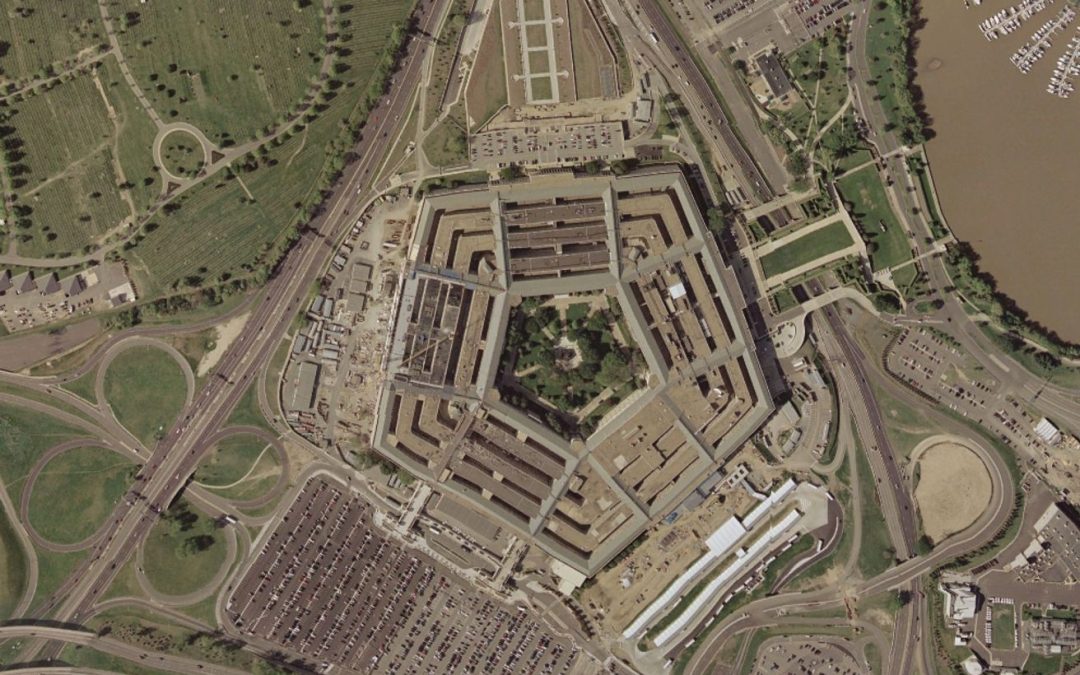
Washington: Defense Secretary Pete Hegseth has authorized the deployment of up to 600 military lawyers to serve as temporary immigration judges, doubling the current number of judges in the U.S. immigration system. The move, outlined in an Aug. 27 Pentagon memo reviewed by AP, comes at the request of the Justice Department amid a backlog of 3.5 million pending immigration cases.
The military will begin sending groups of 150 attorneys—both uniformed and civilian—as soon as next week. Their appointments will initially last no longer than 179 days but can be renewed. Pentagon officials said the plan may require mobilizing reserve officers and stressed that the Justice Department will be responsible for ensuring compliance with the Posse Comitatus Act, which bars the military from engaging in domestic law enforcement.
Immigration Courts Under Strain
The Trump administration’s aggressive crackdown on illegal immigration has placed additional pressure on the immigration courts, where more than 100 judges have been fired or left in recent years. Only about 600 remain. The Pentagon’s plan would effectively double their number but has raised concerns over training and effectiveness.
Jennifer Peyton, a former supervising immigration judge in Chicago fired in July, questioned the feasibility. “Six months is barely enough time to start to figure out the firehose of information and training,” she said, adding that new judges usually undergo weeks of instruction, mentorship, and a two-year probationary period. She also warned the system needs more translators and administrative staff, not just judges.
Expanding Military Role
The initiative underscores the growing role of the military in Trump’s immigration strategy. Troops have been deployed to patrol the U.S.-Mexico border, National Guard members have supported enforcement in U.S. cities, migrants have been housed on military bases, and military aircraft have been used for deportations.
The Pentagon memo did not clarify whether the new judges will be drawn from active-duty or reserve forces, nor how their temporary reassignment will affect military justice systems. Judge advocates in the armed forces typically handle prosecutions, defense, and advisory roles within the military.
Meanwhile, a federal court on Tuesday ruled that the administration “willfully” violated the law when it deployed National Guard troops to Los Angeles in June, underscoring legal limits to using military personnel in domestic enforcement.
Critics like Peyton argue the plan risks undermining the integrity of immigration courts. “None of it makes sense unless you were intentionally trying to weaken the system,” she said.