NEW DELHI: Traffic snarls are part of daily life in the capital, but few disruptions anger commuters as much as those caused by foreign dignitaries visiting Rajghat. For years, such visits have meant sudden barricades, endless detours and hours of gridlock around ITO and adjoining stretches. Recently, however, one visit broke that pattern — offering a glimpse of how things could work differently.
Traditionally, a routine commute would abruptly descend into chaos. While some delay was expected, traffic near ITO often came to a complete standstill, leaving people stranded for hours. This time, congestion did build up, but it eased within minutes. Vehicles kept moving, and the disruption ended far sooner than commuters had come to expect.
Advance advisories issued a day earlier and widely circulated on social media, complete with clear maps, appeared to help people plan ahead and avoid affected routes. The sustained deployment of traffic personnel — not just during the visit but well afterwards — also seemed to play a key role in keeping congestion under control.
The contrast was striking. This year alone, more than 10 foreign dignitaries have visited Rajghat, and nearly every visit triggered the same scenes of confusion and delay. Traffic moved only when protocol permitted; everyone else simply waited.
Take Ishmeet, a 24-year-old media professional. During one such visit in October, she narrowly avoided a newly erected barricade near Delhi Gate, only to get stuck minutes later at the ITO signal. She frantically searched for alternate routes and eventually reached work — late, but relieved. Her experience mirrors that of thousands who face similar bottlenecks every time a dignitary pays homage at Rajghat.
According to a government official, visiting Rajghat is not mandatory, but over time it has become an almost fixed feature of state visits, with the Ministry of External Affairs emphasising the symbolism of paying respects at Mahatma Gandhi’s memorial. Only a few Gulf leaders skip it for religious reasons. In 2006, even the Saudi King, who was the Republic Day chief guest, did not visit Rajghat.
Each VIP visit brings strict security protocols and road restrictions. MHA guidelines require traffic to be halted to ensure the safe passage of the President, Vice President, Prime Minister and foreign dignitaries with equivalent security cover. As a result, police and traffic personnel must coordinate multiple closures and diversions across central Delhi.
The impact is significant. Waiting times often range from 15 to 40 minutes, and major arteries such as ITO Chowk, Bahadur Shah Zafar Marg, Delhi Gate, JLN Marg, Rajghat and Shanti Van crossings, Saleem Garh bypass, Vikas Marg and IP Marg are routinely affected. The ripple effect extends to surrounding areas like Daryaganj, Mandi House, Geeta Colony, Laxmi Nagar, Mayur Vihar and Indraprastha Estate, while corridors such as Ring Road and Yamuna Pushta absorb diverted traffic.
For traffic police, managing these movements is a delicate balancing act. A senior official said restrictions depend entirely on the security cover required. Once details are known, planning begins, and on days when Rajghat visits are scheduled, even feeder roads that could cause disruption are blocked.
“While the dignitary may spend only five to ten minutes inside Rajghat, traffic cannot be released immediately,” the official explained. “Clearing junctions and tailbacks takes time.”
Planning alone, however, is not enough if commuters are not informed. Police usually have seven to ten days’ notice to prepare, but delays in public advisories can undo that effort. Ahead of Mongolian President Khurelsukh Ukhnaa’s visit in October, for instance, the advisory was uploaded 15 minutes after restrictions had begun, catching many commuters off guard. One of them, Megha Rajput, later wrote online: “If I had known earlier, I could have planned my day better.”
Amid months of disruption, the exception was the December 4–5 visit of Russian President Vladimir Putin. Traffic police officials said the arrangements were meticulously planned, with staff deployed on the ground and advisories issued well in advance. Similar planning, they said, would now be the template, with alerts shared at least a day ahead.
The stakes go beyond inconvenience. Emergency services often get trapped too. Anand, an ambulance driver, recalled being stuck near ITO for nearly 40 minutes while transporting a patient to Ram Manohar Lohia Hospital. “By the time the barricades understood, precious time had already been lost,” he said.
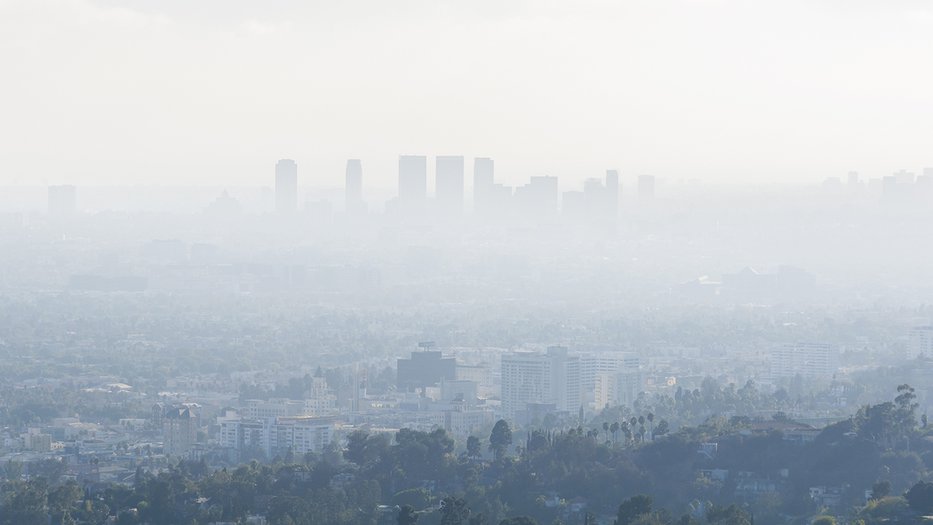
There is also an environmental cost. Idling vehicles during such gridlocks add substantially to Delhi’s pollution burden. Estimates suggest a single Rajghat visit can generate over 100 metric tonnes of CO₂. Environmental experts argue that smoother traffic flow and fewer unnecessary restrictions are essential to reduce emissions.
Alternatives such as helipad use or off-peak travel sound appealing but are often impractical due to tight schedules and the locations where dignitaries stay. Experts suggest staggering VIP movements, avoiding the simultaneous closure of adjacent junctions, and tailoring security to actual threat levels.
Globally, India is not alone in grappling with VIP-related disruptions, but elsewhere, road closures are often less sweeping. Ultimately, as traffic experts point out, public convenience must remain central. The recent smooth visit has shown that Rajghat need not paralyse the city — and commuters will be watching to see if this becomes the norm rather than the exception.