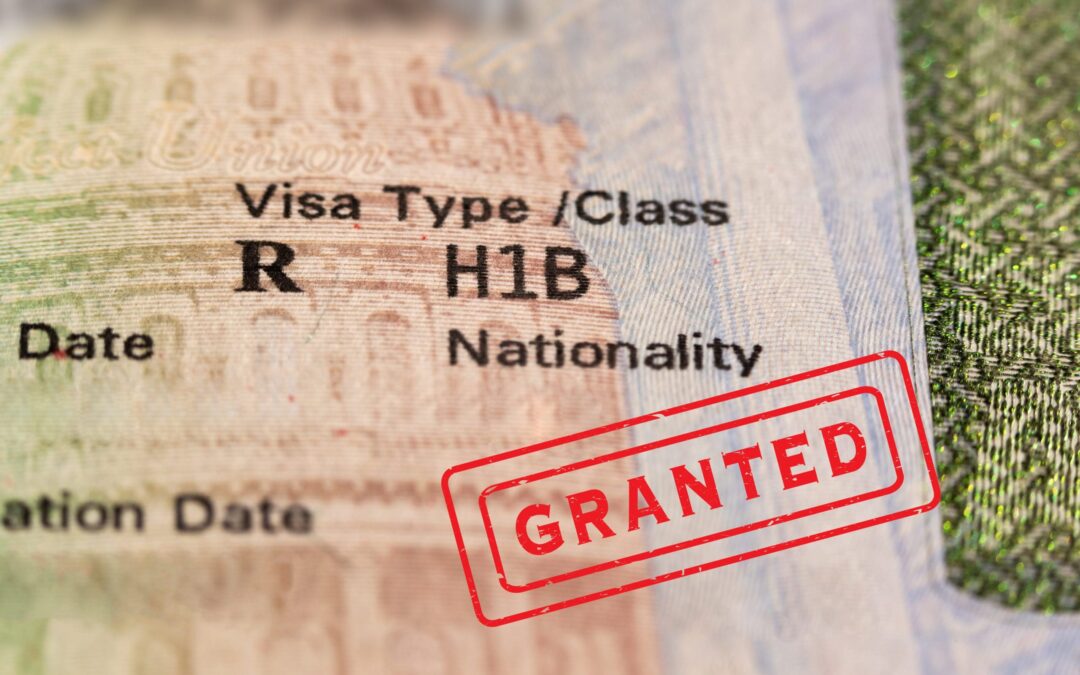
Former U.S. Representative and economist Dr Dave Brat has levelled serious allegations against India’s role in the H-1B visa program, claiming that while the annual U.S. cap for new H-1B visas is 85,000, a single Indian district allegedly accounted for 220,000 visas — more than 2.5 times the national limit.
Speaking on Steve Bannon’s podcast, Brat urged American families to pay attention to the issue, arguing that “fraudulent visas” undermine domestic job opportunities. He also asserted that China accounts for only about 12% of H-1B recipients.
According to reports, the U.S. consulate in Chennai processed around 220,000 H-1B visas and 140,000 H-4 dependent visas in 2024, placing the mission at the center of renewed scrutiny.
U.S. diplomat’s account reignites debate
The spotlight on the Chennai consulate intensified after Mahvash Siddiqui, an Indian-origin U.S. Foreign Service Officer, described what she called “industrial-scale fraud” in the H-1B system based on her experience there nearly two decades ago. Siddiqui claimed that 80–90% of the H-1B applications she encountered from India contained either fake degrees, forged documents, or applicants who did not meet the program’s skill threshold.
Siddiqui, who served in Chennai from 2005 to 2007 and adjudicated at least 51,000 H-1B cases, said the consulate covered four major regions — Hyderabad, Karnataka, Kerala and Tamil Nadu. She described Hyderabad as the most problematic, alleging that the Ameerpet area was known for storefronts that helped applicants fabricate credentials, from educational certificates to marriage documents.
She said her team quickly identified fraud patterns and alerted higher authorities, but faced significant political pushback. Their anti-fraud efforts, she claimed, were dismissed as a “rogue operation,” and pressure from influential political figures discouraged further investigation.