NEW DELHI: The Ministry of External Affairs (MEA) on Sunday dismissed social media speculation claiming that India is considering suspending or reviewing bilateral agreements with the United States in response to recent trade tensions. The ministry categorically denied the reports, calling them “disinformation.”
Sharing screenshots from two X (formerly Twitter) accounts — Middle Eastern Affairs and China in English — that spread the claims, the MEA stated: “Disinformation being spread on X.”
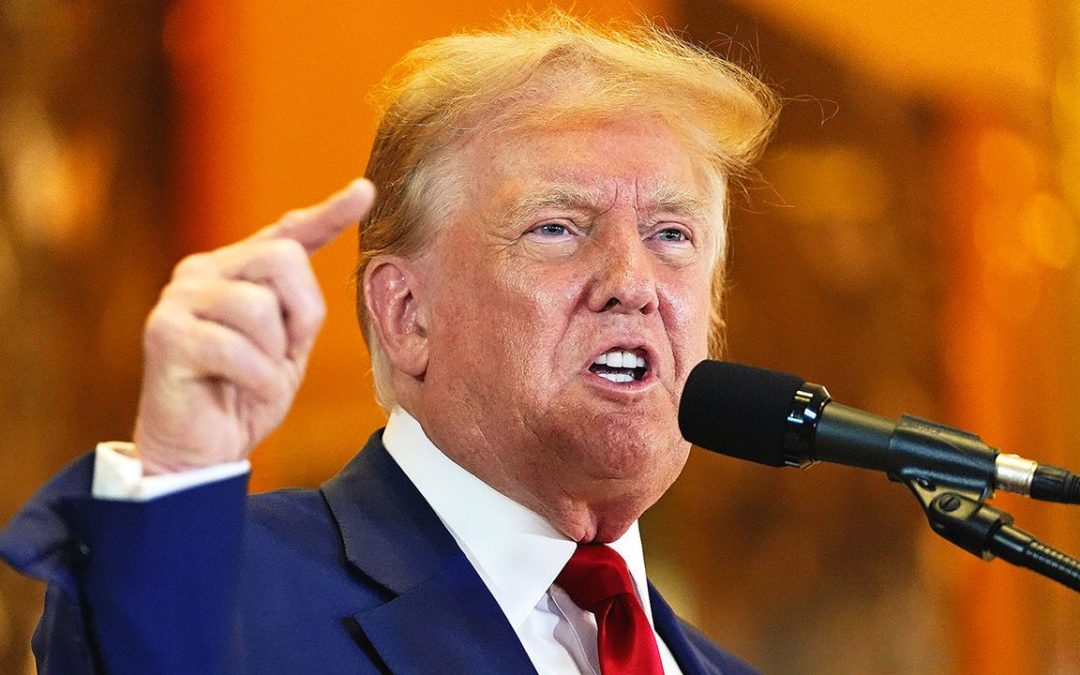
This clarification comes as India-US trade relations face fresh challenges following U.S. President Donald Trump’s announcement of a 25% tariff on Indian exports, a move that has sparked diplomatic and economic concerns. Despite the setback, both sides continue discussions toward a potential bilateral trade agreement.
Tensions have further escalated with Trump criticizing India for its defense purchases from Russia and oil imports, threatening additional penalties. He also took aim at India’s involvement in the BRICS alliance and controversially described India as a “dead economy.”
Amid these developments, Prime Minister Narendra Modi on Saturday called for a revival of the Swadeshi movement, urging citizens to prioritize locally made products in light of global economic uncertainty.
Speaking at a rally in his Varanasi Lok Sabha constituency, Modi warned that the global economy was entering a period of increased volatility. “The world is facing instability. We must be prepared,” he said.
Emphasizing unity across political lines, the Prime Minister appealed for a national movement to support domestic industries. “This is not just about what Modi says. Every Indian, regardless of political affiliation, must come forward to support our economy,” he said. “If we truly want India to become the world’s third-largest economy, we need to embrace Swadeshi in thought and practice.”
While the MEA has dismissed the rumors of retaliatory action, the evolving trade relationship between India and the U.S. remains closely watched, with both countries navigating a complex mix of diplomacy, defense ties, and economic competition.