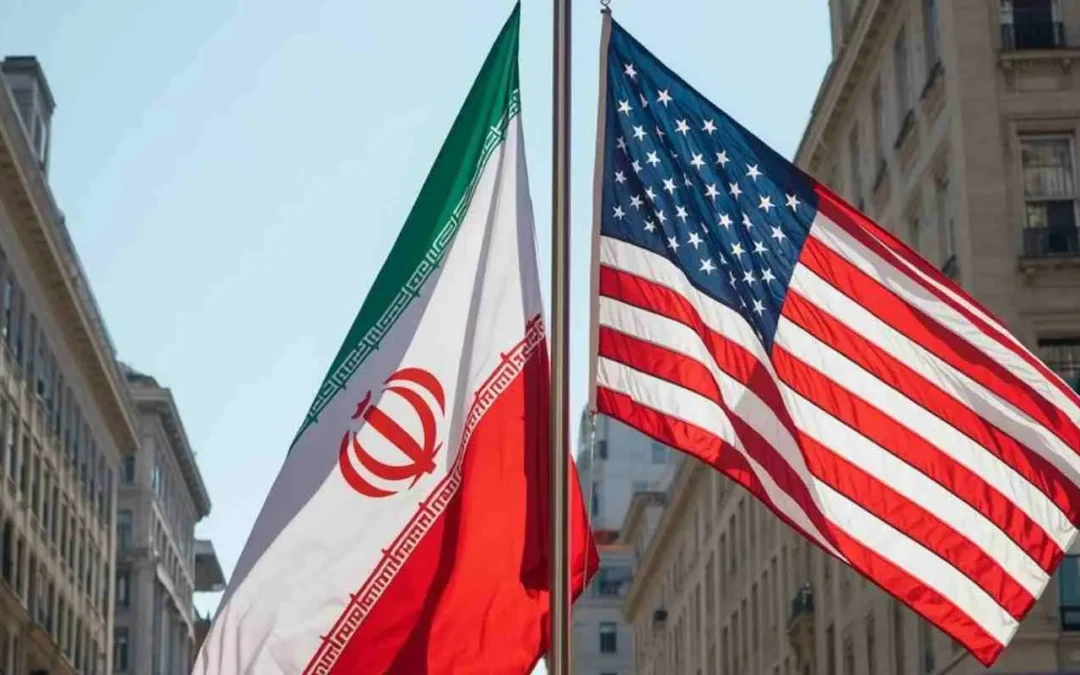
Rising geopolitical tensions in the Middle East following military strikes by the United States and Israel on Iran have sparked fresh concerns over global trade stability. With the region sitting at the heart of the world’s energy supply chain, any escalation could disrupt shipping routes, inflate crude prices, and increase freight and insurance costs — all of which carry significant implications for India’s trade, exports, crude oil, and LPG supplies.
The Commerce Ministry has scheduled a meeting with exporters, shipping firms, freight forwarders and officials from various ministries to assess how the evolving crisis could affect India’s external trade flows. Industry voices warn that the risks are both immediate and far-reaching.
Exporters are particularly concerned about disruptions in the Strait of Hormuz and the Bab el-Mandeb Strait, two of the world’s most vital maritime corridors. These narrow waterways connect India to the Gulf region and serve as key transit routes to North America and Europe.
The Strait of Hormuz — a 33-kilometre-wide channel linking the Persian Gulf with the Arabian Sea — handles a substantial share of global oil and LNG trade. Reports indicate that Iran has halted maritime traffic through the strait, raising alarms across global markets.
According to estimates, nearly 35–50% of India’s crude oil imports, along with a considerable portion of LNG supplies from Iraq, Saudi Arabia, the UAE and Qatar, transit through this corridor.
Crude Oil Shock and Rising Import Bills
Ajay Srivastava, founder of the Global Trade Research Initiative (GTRI), says the immediate impact on India would be economic and strategic. A disruption in the Strait of Hormuz could threaten a major share of India’s crude and LNG imports, push up freight and insurance premiums, and drive fuel prices higher.
Global oil markets have already begun pricing in the risk. Brent crude, which was hovering around $70–73 per barrel amid rising tensions, could climb sharply. GTRI estimates that limited conflict may add $5–$20 per barrel, while severe disruption to tanker traffic could send prices above $90 per barrel. Trade analyst Biswajit Dhar has warned that in a prolonged crisis, oil could even touch $120–130 per barrel — significantly inflating India’s import bill and fuelling domestic inflation.
India could explore alternatives such as sourcing more oil from Russia, the United States, West Africa or Latin America, or drawing on its strategic petroleum reserves. However, these options would increase transit times and logistics costs.
Gulf crude enjoys a logistical advantage, typically reaching Indian ports within five to seven days, compared with 25 to 45 days for cargoes from the Atlantic basin.
LPG: A Greater Vulnerability
While India may manage short-term crude supply disruptions, analysts say LPG is more vulnerable. India imports roughly 80–85% of its LPG requirements, largely from Gulf producers, with most shipments passing through the Strait of Hormuz.
Unlike crude oil, India does not maintain strategic reserves of LPG on a comparable scale. This makes the LPG supply chain particularly sensitive to shipping disruptions or regional instability.
Shipping data indicates that Russian crude cargoes remain available in the Indian Ocean and Arabian Sea, offering refiners some flexibility. However, such alternatives are less viable for LPG.
Trade and Export Risks
India’s direct trade with Iran remains modest due to longstanding US sanctions restricting banking and energy transactions. In 2025, India exported around $1.2 billion worth of goods to Iran, primarily agricultural products such as rice, bananas and tea, while imports stood at about $408 million.
However, the broader risk lies in trade flows passing through West Asia.
The Federation of Indian Export Organisations has warned that hostilities are already disrupting global logistics networks. Airlines are altering flight paths, and maritime trade across the Red Sea and Gulf passages is facing uncertainty.
If ships are forced to reroute around the Cape of Good Hope to avoid conflict zones, transit times to Europe and the United States could increase by 15–20 days. This would raise freight charges, bunker fuel costs and insurance premiums.
West Asia is particularly important for Indian exporters. Five major destinations for Basmati rice — Saudi Arabia, Iran, Iraq, the UAE and Yemen — account for nearly half of India’s Basmati exports. Meanwhile, markets such as the United States and Europe together represent about 56% of India’s merchandise exports, much of which moves through West Asian maritime routes.
The Indian Rice Exporters Federation has already advised members to avoid taking on new cost, insurance and freight obligations for shipments to Iran and Gulf markets due to the volatility.
Broader Strategic Implications
Beyond trade and energy, prolonged instability could impact remittance flows from the roughly 10 million Indians working across Gulf Cooperation Council (GCC) countries. Ongoing negotiations for a free trade agreement with the GCC — comprising Saudi Arabia, the UAE, Qatar, Kuwait, Oman and Bahrain — could also slow.
India’s free trade agreement with the UAE, effective since May 2022, and its recently concluded Comprehensive Economic Partnership Agreement with Oman underscore the region’s strategic importance.
In summary, while India has some buffers and diversification options, sustained tensions in the Middle East could significantly affect crude prices, LPG supplies, export logistics, inflation, and overall economic stability. The coming weeks will be critical in determining whether the crisis remains contained — or triggers a broader economic ripple effect.