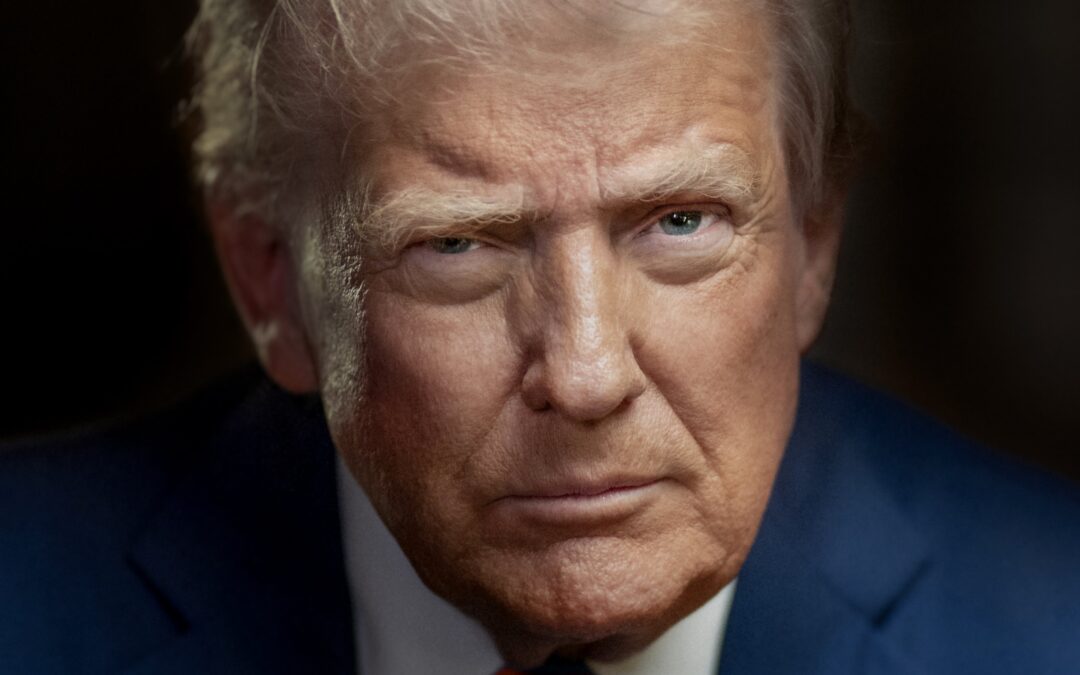
The European Union has taken a stronger public stance on Iran, calling for the country to be “free” and urging action against what it described as oppressive leadership—an apparent reference to Supreme Leader Ayatollah Ali Khamenei. The move comes as US President Donald Trump has recently moderated his rhetoric on Iran, even hinting at possible talks, days after issuing threats of military action.
European Parliament President Roberta Metsola said lawmakers had overwhelmingly voted to support the aspirations of the Iranian people.
“From the streets of Tehran to the heart of the European Parliament, the message is clear: Iran must be free. Iran will be free,” Metsola wrote in a post on X on Thursday.
She said the European Parliament had also called for concrete measures, including the designation of Iran’s Islamic Revolutionary Guard Corps (IRGC) as a terrorist organisation.
EU’s key demands
Metsola outlined the Parliament’s position with a list of demands:
- Stop the violence: End the crackdown on peaceful protesters.
- Halt executions: Immediately stop state-sanctioned killings used to silence dissent.
- Free detainees: Release all imprisoned demonstrators and political prisoners.
- Target the oppressors: Designate the IRGC as a terrorist organisation and hold those responsible accountable.
Addressing Iranians directly, Metsola added:
“To the courageous people of Iran: Even when cables are cut, we hear you. Even when blackouts fall, we see you. You are not alone. The European Parliament stands firmly with you.”
Trump signals shift from threats to talks
The EU’s move coincides with a shift in tone from President Trump. While unveiling his proposed “Board of Peace” at the World Economic Forum in Davos, Trump said Iran had expressed interest in discussions.
“Iran does want to talk, and we will talk,” he said.
The comments mark a contrast to Trump’s earlier hardline posture, after he threatened military action in response to Iran’s crackdown on widespread protests. Those protests, which erupted in late December and lasted for about two weeks, were among the most serious challenges to Iran’s clerical leadership in years. Activists claim the government’s response left thousands dead.
Trump also said he would refrain from further strikes, citing indications that Iran’s leadership had paused the planned executions of more than 800 detained protesters.
Even as he signalled openness to diplomacy, Trump maintained that pressure remains central to his approach. He reiterated that earlier warnings about possible strikes on Iran’s nuclear facilities had influenced regional dynamics, including contributing to the Israel-Hamas ceasefire.
The unrest in Iran has since subsided following the crackdown, but tensions around human rights, political freedoms and international pressure on Tehran continue to shape the global response.