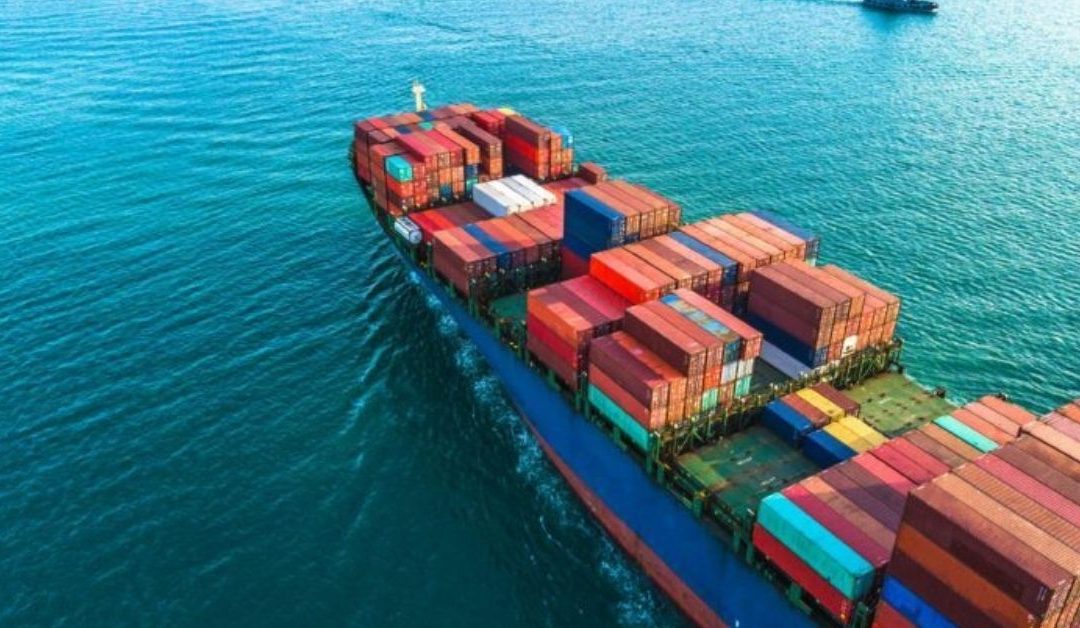
Sarjak Container Lines, a globally recognized Indian NVOCC specializing in project logistics, over-dimensional (ODC/OOG) and special equipment cargo movement, published an important update on the India-Europe freight rates and market conditions on this lane.
“Shippers on the crucial India-Europe trade lane are facing unprecedented volatility this December, with spot container freight rates reportedly soaring by 50% to 60% (from USD750 per 40feet Container to USD1200 per 40feet Container) in a matter of weeks. This sudden and steep rise, evidenced by significant General Rate Increases (GRIs) announced by major carriers for early December, is challenging budgeting and supply chain stability for Indian exporters.” shared Supal Shah, CEO of Sarjak Container Lines.
“These rate hikes are less about a massive, unexpected surge in underlying demand and more about disciplined, strategic capacity management by shipping lines.” Shah added.
Blank Sailings
Carriers are actively managing capacity on the India-Europe route through blank sailings (void calls) and service adjustments. Blank sailings, or cancelled voyages, persist at 8-10% of scheduled capacity on Asia-Europe routes, with Drewry tracking 64 cancellations out of 719 planned sailings over the next five weeks through early January 2026. These moves, concentrated on transpacific and Asia-Europe corridors, help carriers maintain utilization rates above 90% and justify hikes. Recent reports confirm that this capacity discipline is succeeding in moving spot rates upward, despite underlying global demand being described as “subdued” in some sectors.
“For many carriers, this aggressive capacity cut is a concerted effort to push rates off what they perceive as unsustainable lows. Having witnessed several weeks of declines that brought spot rates near unprofitable levels, shipping lines are now leveraging capacity cuts to restore rates and improve profitability ahead of the critical annual contract negotiation season for 2026.” Supal Shah added.
The typical year-end rush for European holiday inventory, coupled with the final push by manufacturers to meet annual targets, creates a natural surge in export volumes from India. This Q4 peak season pressure enables carriers to successfully enforce the planned GRIs and surcharges.
Grapes Cargo and Perishables
A standout seasonal driver is India’s table grapes harvest, a high-volume reefer cargo that dominates December-January flows to Europe. Nashik, the epicentre, exported 157,000 metric tonnes last season despite weather woes, while national volumes hit 344,000 MT in 2023-24—over 70% destined for Europe. Exporters are targeting 10% growth this year, but a shorter 2–3-week season due to erratic rains could concentrate volumes, straining reefer container availability. Each 40ft reefer hauls 20-25 tonnes, and with Europe absorbing premium varieties like Thompson Seedless, this influx historically spikes rates by 20-30% on reefer lanes.
Recommendations for Shippers
Given the high volatility and carrier-driven market, industry stakeholders should adopt an agile booking strategy in early 2026:
- Book Early: Secure bookings 4-6 weeks in advance to lock in allocation before subsequent GRI announcements.
- Monitor Weekly GRIs: Carriers are increasingly adopting a weekly or fortnightly strategy for smaller, more frequent rate adjustments. Closely tracking these announcements is essential for timely booking decisions.
- Leverage Shorter Contracts: Consider securing short-term (2-3 month) fixed-rate contracts to stabilize pricing and mitigate exposure to highly volatile spot market swings through Q1 2026.
- Factor in Surcharges: The quoted rates often exclude new surcharges (e.g., Emission Trading System (ETS) surcharges for Europe, Bunker Recovery Charges), which can add significant cost. Ensure all-in pricing is confirmed before commitment.
“If current capacity discipline continues and carriers keep pulling back space through blank sailings, we may be looking at an extended period of elevated rate volatility globally well into Q1 2026, especially as the Chinese New Year approaches and the industry returns in early January after a year-end demand slowdown. There is real uncertainty in the market right now. Exporters who plan early and secure short-term fixed contracts will be best positioned to navigate what is shaping up to be one of the tightest India–Europe space markets in recent years.” concluded Supal Shah.
As one of India’s most experienced special equipment and project cargo carriers with deep exposure across Europe-bound trade lanes, Sarjak Container Lines has a clear, real-time view of capacity shifts and pricing behaviour across the market, supported by continuous intelligence from ports, carriers, and exporters.
Source: Sarjak Container Lines