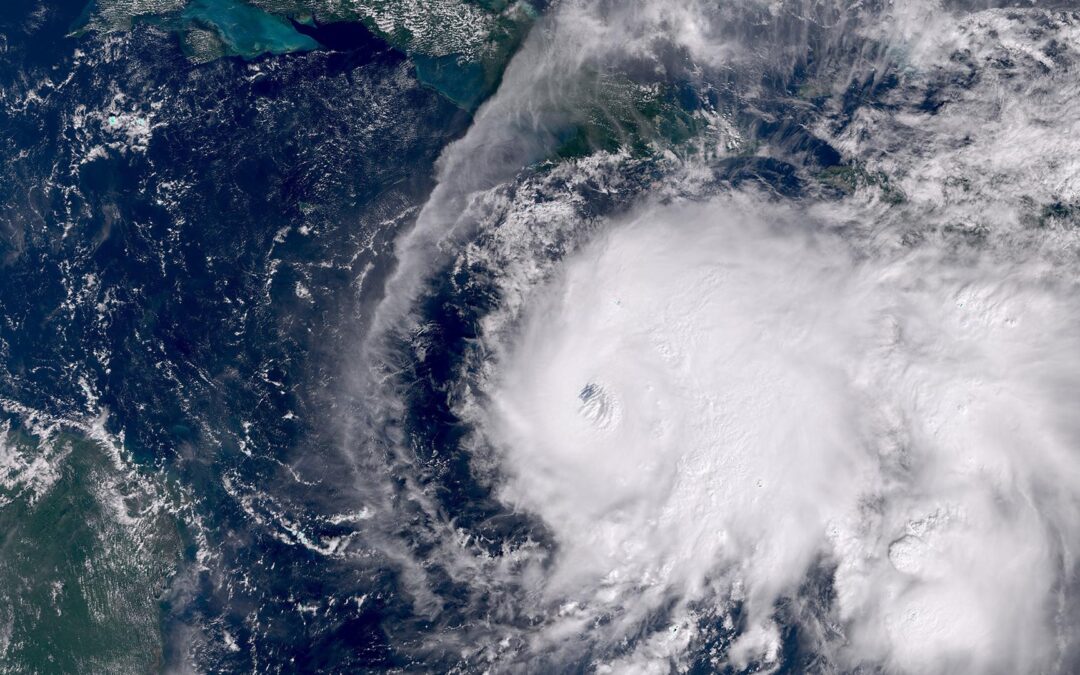
Kingston/Havana: Hurricane Melissa, one of the strongest Atlantic storms ever recorded, has devastated Jamaica and is now barreling toward Cuba, triggering mass evacuations and fears of widespread destruction. The storm made landfall in Jamaica as a Category 5 hurricane on Monday, unleashing winds of up to 185 mph (295 kph), torrential rains, and deadly landslides.
‘Unprecedented devastation’ in Jamaica
Prime Minister Andrew Holness described the situation as catastrophic:
“There is no infrastructure in the region that can withstand a Category 5. The question now is the speed of recovery.”
Officials have confirmed at least three deaths in Jamaica, with dozens injured and many areas still unreachable. Homes, hospitals, and businesses have been destroyed; nearly 540,000 customers (77% of the island) remain without power. Entire communities, particularly in St Elizabeth and Westmoreland, are cut off due to flooding and debris.
Record-breaking storm
Melissa came ashore near New Hope, Jamaica, tying the all-time Atlantic hurricane intensity record held by the 1935 Labor Day Hurricane and 2019’s Hurricane Dorian, with a central pressure of 892 millibars. Meteorologists described the storm as “a beast,” undergoing extreme rapid intensification — strengthening by nearly 70 mph in just 24 hours, fueled by ocean waters 2°C warmer than average.
Cuba braces for impact
As the hurricane turns north-northeast, Cuba faces a “very dangerous” situation. Authorities have evacuated over 735,000 residents, mostly from coastal and mountainous regions in Santiago de Cuba and Holguín. President Miguel Díaz-Canel Bermúdez called for national unity, saying:
“It will be a very difficult night for all of Cuba, but we will recover. Be alert, show solidarity, and remain disciplined.”
Massive evacuations and warnings
Meteorologists warn that storm surges up to 12 feet, combined with 10–25 inches of rainfall, could cause catastrophic flooding and landslides across eastern Cuba. CNN meteorologist Briana Waxman said Melissa may briefly regain Category 4 strength before landfall, as satellite imagery shows the storm’s eye becoming clearer and more symmetrical.
Diaspora anxiously awaits news
In the UK and US, families with relatives in Jamaica are struggling to contact loved ones. Communication lines remain down across large parts of the island.
“Even though I trust my sister, I tried to persuade her to leave,” said Ambrosine Townsend, a Jamaican living in Kent. “Now I can’t reach her. It’s terrifying.”
Hospitals overwhelmed; rescues ongoing
Several major hospitals suffered structural damage or power loss, forcing emergency evacuations. At one facility, 75 patients were moved after backup generators failed. Disaster response teams are relying on boats and helicopters to reach isolated communities once conditions improve.
Death toll rises across the Caribbean
So far, seven deaths have been confirmed across the region — three in Jamaica, three in Haiti, and one in the Dominican Republic — with several others missing. International relief agencies, including UN humanitarian teams, have pre-positioned food, water, and medical supplies to support recovery efforts.
Climate scientists: ‘A sign of what’s to come’
Experts warn that Hurricane Melissa exemplifies the growing danger of rapidly intensifying tropical systems fueled by climate change.
“We’re seeing a direct connection between warmer ocean waters and these explosive storms,” said Bernadette Woods Placky of Climate Central. “The oceans are feeding them more energy — and we’re likely to see more Melissas in the future.”
As Cuba braces for landfall, meteorologists warn that Melissa remains an “unstoppable force”, with the potential to become one of the most destructive storms in Caribbean history.