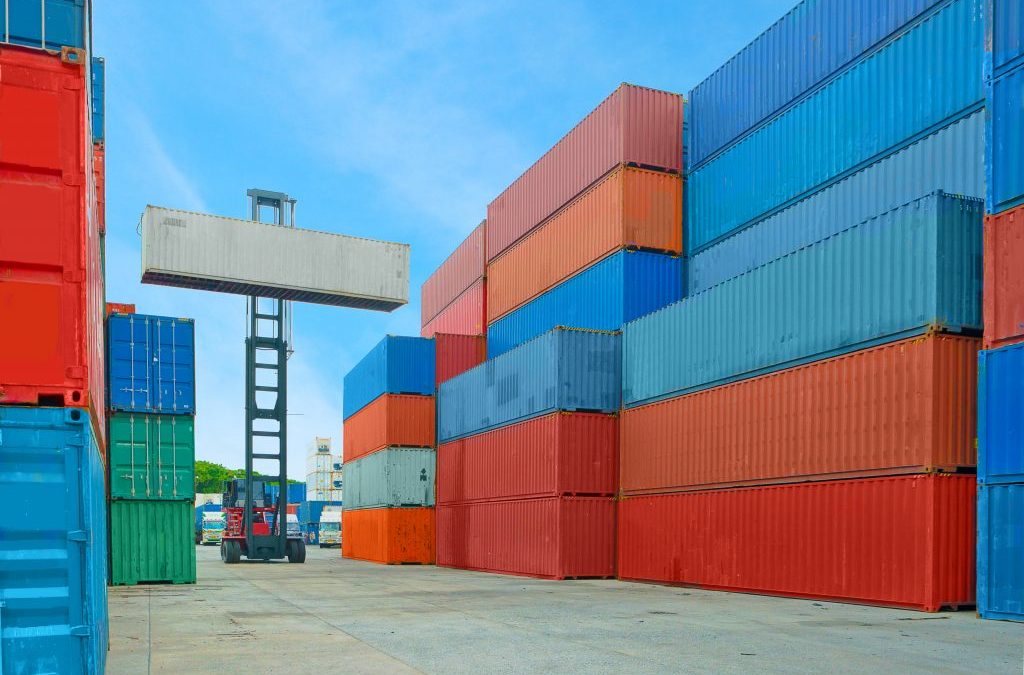
Container prices have eased slightly, but UK demand is rising. Orders for new one-trip containers have tripled since Q1, as companies try to stay ahead of rising freight costs and potential delays.
Red Sea diversions are still adding time and cost. In the Strait of Hormuz, tensions are affecting oil prices and shipping activity. These global issues are now starting to influence UK supply.
Here, we’ll look at what that could mean for availability, pricing, and procurement decisions in the months ahead.
Longer wait times for stock
Some carriers are now quoting up to £232 per 20ft unit to reposition empty containers into the UK, a cost they previously absorbed. It’s part of a wider shift: global volumes might be softening, but UK delivery, depot space, and timing pressures are pushing buyers to act early.
That’s especially true in time-critical sectors like construction, infrastructure, and retail, where the risk of delay outweighs the potential savings from holding off.
“A few years ago, buyers could afford to wait for prices to settle,” says Andrew Thompson. Chief Executive Officer at Cleveland Containers. “Now, they’re planning further ahead to make sure stock arrives when it’s needed, without extra surcharges or hold-ups.”
Availability is no longer guaranteed just because demand is lower overall. Preferred formats, such as new 20fts or high cubes, are getting booked out faster, and once delivery windows tighten, even small changes in availability or spec can cause real disruption.
Rising production costs
Global freight rates have eased, but container prices aren’t following. That’s because the real pressure is now happening further upstream, where production costs are climbing.
Key materials like steel, marine plywood, and hardware fittings have all gone up over the past quarter. Chinese and Southeast Asian manufacturers are already pricing these increases into forward orders for Q3 and Q4.
Steel is the biggest factor, as prices for hot-rolled coil, the base material used in container walls and frames, are up year-on-year and remain volatile due to energy costs and regional supply constraints. Plywood used for container flooring has also jumped, as export restrictions limit supply.
For UK buyers, this means current factory quotes are already 8-12% higher than last year, and that’s before port charges, rerouting costs, or warehousing are added.
“We’re seeing the impact start at the factory,” says Thompson. “Costs are up on new builds, and that’s now feeding through to used units too. It’s not freight driving prices this time, it’s what it costs to produce the container in the first place.”
Geopolitics
Tensions in the Strait of Hormuz are disrupting main shipping routes, affecting oil prices. Frontline’s suspension of freight contracts in the region shows how seriously carriers are treating the risk.
China remains a major importer of Iranian oil, so any disruption affects energy costs for manufacturers, especially for steel, paint, and plywood. That’s already feeding into container pricing.
“Oil volatility is showing up in supplier quotes,” says Thompson. “It’s not just freight, anything with an energy cost is going up.”
Red Sea diversions continue, but the bigger concern is how quickly these pressures spread. As with the 2021 Suez blockage, local disruption can have a global impact.
What UK Buyers should be watching now
UK container supply held steady through early 2025, but that’s already changing. Forward orders for one-trip 20fts have jumped, and depot turnover is accelerating. Stock is still available, but the units buyers want most, such as newbuilds, high-cubes, and CSC-certified containers, are booking out earlier and moving faster.
Pricing pressure is coming from both ends. Factory quotes are rising due to raw material costs and energy volatility, while rerouting and port delays continue to feed into landed prices. That’s pushing more buyers to act early, especially in sectors where timing and spec can’t be compromised.
Leasing is also trending up, particularly on projects with uncertain timeframes or tight budgets. But even here, availability is narrowing. For used stock, rising newbuild costs are quietly lifting replacement value, and that’s already starting to show in pricing.
What matters now is how these pressures interact. A shift in oil prices, a change in freight routing, or even a regional supply gap can push up costs quickly. And most buyers won’t feel it until the quoting stage, when timelines are fixed and flexibility is gone.
If you’re waiting for prices to drop or supply to catch up, you may already be behind the curve. Decisions made now, on spec, timing, or procurement route, will determine how exposed your business is heading into Q4.
Source: Cleveland Containers