SK Shipping signed an agreement with Pan Ocean to sell its Korea wet tanker business for $668 million, Hahn & Company said, Thursday. The company, Korea’s largest private equity firm, acquired SK Shipping in 2018.
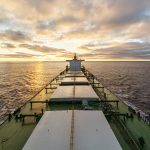
SK Shipping will sell 10 very large crude oil carriers (VLCCs) to Pan Ocean under long-term, secured contracts to import crude oil into Korea.
The 10 VLCCs being sold are currently deployed under long-term crude transportation contracts with major domestic shippers. Those contracts will also be transferred to Pan Ocean as part of the transaction.
SK Shipping said it plans to use the proceeds from the deal to secure new growth drivers and strengthen its future business portfolio.
Hahn & Company has transformed the shipping firm into one of the most profitable transportation companies globally by focusing on servicing secured, long-term contracts while suspending speculative spot market operations.
Since the acquisition, the private equity firm has shifted the company’s business structure away from segments highly sensitive to freight rate volatility to more stable operations.
According to Hahn & Company, long-term contracts are structured to include a fixed margin on operating costs, enabling the company to generate stable earnings regardless of market fluctuations.
SK Shipping has also strengthened its portfolio by securing long-term transportation agreements with QatarEnergy, the world’s largest producer of liquefied natural gas. It also expanded its client base to include other high-quality domestic and international shippers.
In addition, the company has increased its fleet of environmentally friendly vessels as part of its strategic transformation.
Under the private equity firm’s ownership, SK Shipping’s EBITDA and EBIT has increased from 232 billion won and 73 billion won to 641 billion won and 396 billion won, respectively.
EBITDA, short for earnings before interest, taxes, depreciation and amortization is a measure of a company’s core operating profit. It focuses on how well the business itself is performing without the effects of financing, accounting or tax decisions.
EBIT, short for earnings before interest and taxes, is a measure of a company’s operating profit before deducting interest expenses and taxes.
Source: The Korea Times