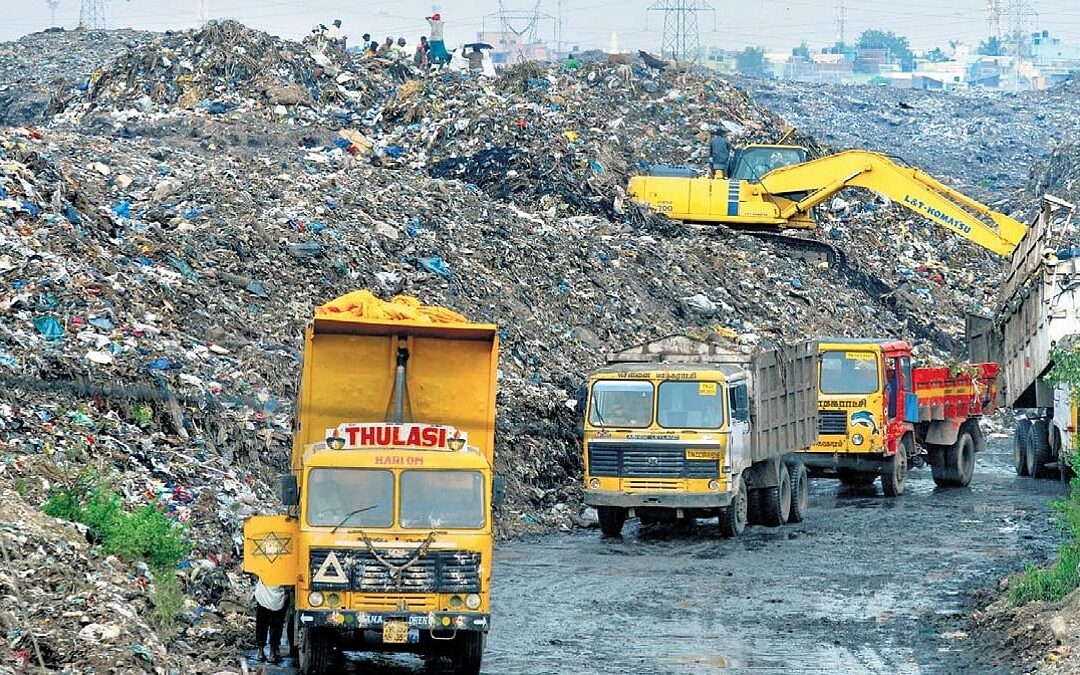
NEW DELHI: In an effort to accelerate the development of waste treatment infrastructure, the Union Environment Ministry has proposed exempting municipal solid waste management facilities and common effluent treatment plants (CETPs) from the requirement of prior environmental clearance.
The ministry released two draft notifications last week, stating that these projects qualify as “essential environmental services” that play a critical role in safeguarding public health and the environment. It argued that removing bureaucratic hurdles would encourage faster implementation.
Stakeholders, including the public and experts, have been invited to submit their comments on the proposal within 60 days, with a final decision expected by early December after review of the feedback.
Why the Exemption?
The move follows recommendations from the ministry’s expert panels, which noted that such facilities are already regulated under the Water (Prevention and Control of Pollution) Act and Air (Prevention and Control of Pollution) Act, and are classified as “blue category” industries — a classification reserved for low-pollution, essential service sectors.
“These facilities also offer added value by generating by-products like compost, secondary raw materials, and energy, supporting the principles of the circular economy and promoting sustainable development,” the ministry stated in its draft notification.
Growing Focus on Self-Compliance
The ministry highlighted how industries such as pharmaceuticals, chemicals, paints, fertilisers, and textiles, which previously relied heavily on CETPs, are now increasingly shifting toward Zero Liquid Discharge (ZLD) systems to treat pollutants at the source.
CETPs, which allow multiple industries to treat their waste collectively, have emerged as effective tools to ensure environmental compliance under the principle of collective responsibility, the ministry noted. It emphasized the need to expand such infrastructure, provided adequate environmental safeguards are in place.