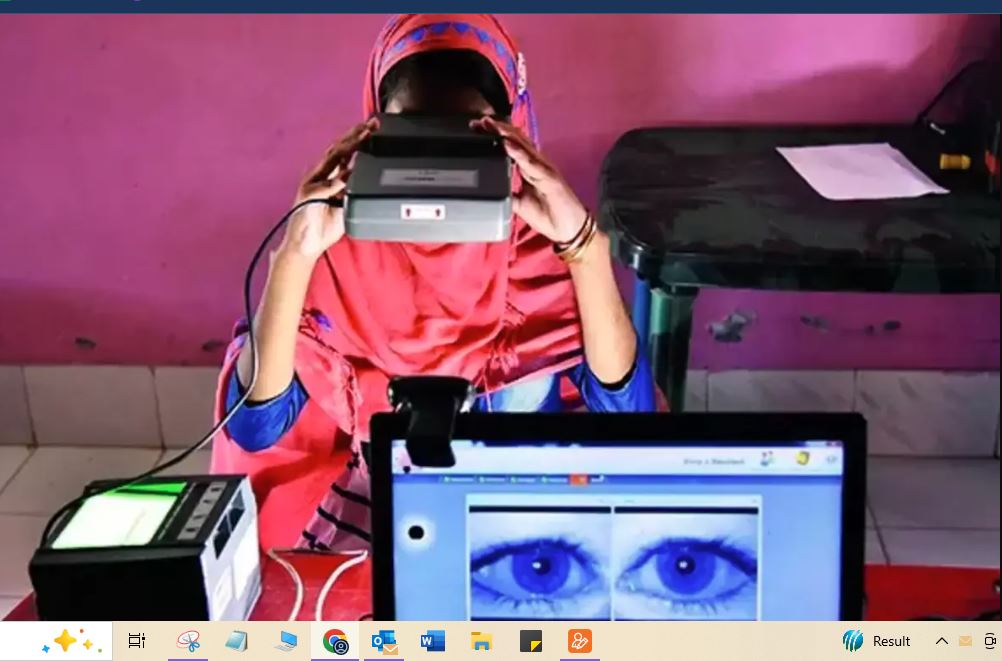
NEW DELHI: The process of obtaining an Aadhaar number has become significantly stricter for adults, as the Unique Identification Authority of India (UIDAI) introduces tighter verification measures to prevent misuse, especially by illegal immigrants.
Although Aadhaar was originally designed as a proof of identity—not citizenship—the new approach is aimed at ensuring that only verified Indian residents are issued the unique ID. UIDAI is set to integrate its systems with databases for passports, ration cards, and birth and education certificates to strengthen the verification process for both new enrolments and updates.
Section 9 of the Aadhaar Act clearly states that Aadhaar is not evidence of citizenship or domicile. However, recent changes indicate a shift toward restricting issuance to genuine residents, with a strong emphasis on excluding illegal immigrants.
Over the past 15 years, more than 140 crore Aadhaar numbers have been issued—including to deceased individuals—resulting in near-universal coverage among adults. As Aadhaar is now being assigned to infants shortly after birth, the government is tightening norms for new adult applicants to prevent fraudulent claims.
To counter attempts by undocumented migrants to obtain Aadhaar using forged documents, the responsibility of verifying credentials has been shifted to the states. Aadhaar is now issued only after thorough validation through state-run verification portals.
“There were concerns in the past about illegal immigrants acquiring Aadhaar and using it to obtain other official documents,” a senior official said. “That loophole is being closed. It will now be extremely difficult for anyone without valid documentation to get Aadhaar.”
Officials also emphasized that even if some migrants obtained Aadhaar earlier and used it for electoral roll verification under the Special Summary Revision (SIR), the scope for new fraudulent entries is now minimal.
In a major step forward, UIDAI has developed a new digital verification tool that adds a second layer of scrutiny for both enrolment and updates. This tool will cross-reference online data from driving licences, PAN cards, MGNREGS records, and even utility bills in the future. These checks align with Central KYC (Know Your Customer) standards to create a unified, verifiable identity framework.