Brussels: European Commission President Ursula von der Leyen on Friday urged EU member states to back a fresh round of sanctions against Russia, targeting its liquefied natural gas (LNG) exports, shadow fleet of oil tankers, and major energy companies over the war in Ukraine.
“It is time to turn off the tap on LNG,” von der Leyen said in a video statement, calling on all 27 EU countries to endorse the proposals swiftly. “We want Russia to leave the battlefield and come to the negotiation table, and this is the way to give peace a real chance.”
The EU has already passed 18 sanctions packages since the invasion began, hitting more than 2,500 entities, including President Vladimir Putin, lawmakers, oligarchs, banks, and energy firms. Measures typically include travel bans and asset freezes.
Energy at the Core
Energy remains Russia’s economic lifeline, funding its war machine while shielding its economy from collapse. Europe is the largest buyer of Russian LNG, accounting for nearly half of Moscow’s exports and around 16% of the EU’s own LNG imports in 2024.
Von der Leyen said sanctions are straining Russia’s war economy, noting persistent high inflation. EU foreign policy chief Kaja Kallas added that the ultimate goal is a full ban on Russian LNG by January 2027.
What’s in the New Package?
- LNG imports ban (phased)
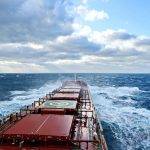
- 118 more Russian tankers added to the sanctions list, bringing the total to 560
- Full transaction bans on Rosneft and Gazprom Neft
- Asset freezes for additional energy companies
- Action against oil buyers and third countries, including China, that bypass sanctions
- Export restrictions on battlefield-use technologies
- Sanctions on 45 more companies tied to Russia’s military-industrial complex
The package also proposes measures against individuals involved in the abduction and deportation of Ukrainian children, a practice widely condemned by international bodies.
“Tearing children from their families and deporting them to re-education camps is beyond description. We will not let Russia weaponise childhood itself,” Kallas said on social media.
However, opposition from Hungary and Slovakia, which rely heavily on Russian energy, could complicate the bloc’s approval process.