New details have emerged in the alleged smuggling of restricted AI hardware to China, with reports indicating that multiple Chinese institutions—including two linked to the military—procured servers containing banned chips.
According to a Reuters report citing procurement data, at least four Chinese universities purchased servers from US-based Super Micro Computer over the past year. Authorities are now examining how advanced AI chips, subject to US export controls since 2022, may have reached these institutions.
The development comes amid a widening legal case in the United States involving the alleged illegal transfer of $2.5 billion worth of AI technology to China.
Arrests and charges
Last week, the US Department of Justice charged three individuals:
- Yih-Shyan Liaw, co-founder and director of Super Micro Computer
- Ruei-Tsang Chang, a sales manager
- Ting-Wei Sun, a contractor
The indictment, unsealed in a federal court in Manhattan, accuses them of helping smuggle restricted AI hardware in violation of US export laws.
Separately, a civil lawsuit also names CEO Charles Liang and CFO David Weigand.
Following the charges, Liaw resigned from the company’s board. Super Micro confirmed that its board now comprises eight directors and that there are no changes to committee structures. The company has appointed DeAnna Luna as acting Chief Compliance Officer.
Company response
Super Micro said it was a victim of the alleged scheme and was not named in the criminal indictment.
In a statement cited by CNBC, the company said the accused individuals acted in violation of its policies and compliance systems. It added that it maintains a “robust compliance program” and is committed to adhering to US export control regulations.
Growing scrutiny on AI exports
The case has also drawn attention in Washington, where lawmakers are calling for tighter controls on exports of advanced AI chips—not just to China, but also to nearby regions that could act as intermediaries.
The Reuters report noted that several other Chinese institutions have recently attempted to procure similar systems, raising concerns about ongoing efforts to bypass restrictions.
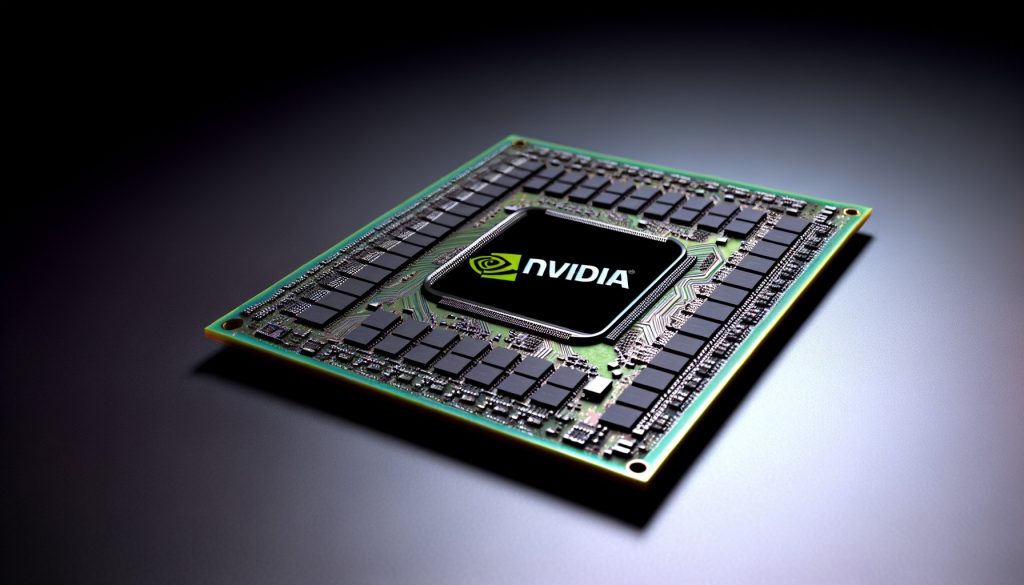
At the centre of the issue are high-end chips from companies like Nvidia, which are critical for artificial intelligence development but are tightly regulated due to national security concerns.
A broader geopolitical flashpoint
The case underscores the intensifying tech rivalry between the US and China, where advanced semiconductors have become a key battleground.
With investigations ongoing, authorities are focusing on how supply chains may have been exploited—and whether further loopholes exist in the current export control regime.