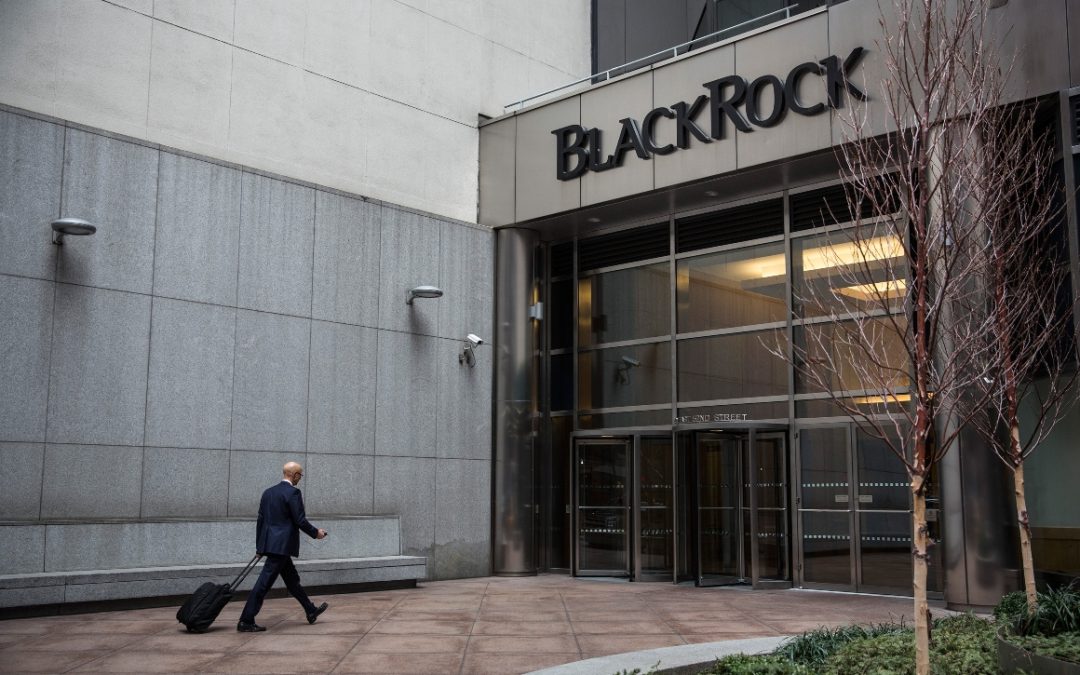
BlackRock, the world’s largest asset management firm, has introduced strict new rules for employees traveling to China, reflecting heightened concerns over data security and geopolitical risks. According to reports from Bloomberg and Reuters, the firm now prohibits staff from bringing company-issued phones, laptops, and other devices into China, requiring them instead to use temporary loaner phones and forgo remote access to company systems.
Outlined in an internal memo effective July 16, the policy blocks use of BlackRock-issued iPhones, iPads, laptops, and VPNs for both business and personal travel to China. Employees will also lose access to BlackRock’s network entirely while in the country, including during non-work trips, Bloomberg reported.
Rising Tensions, Growing Corporate Precautions
The move comes amid rising US-China tensions and increasing scrutiny of foreign firms operating in China. While BlackRock has not publicly commented on the policy, the decision aligns with broader corporate efforts to safeguard sensitive data and limit exposure to potential surveillance or legal entanglements.
Just last week, Wells Fargo temporarily halted all employee travel to China after one of its senior bankers, Chenyue Mao, was prevented from leaving the country due to what Chinese authorities called a “criminal matter.” Similarly, a U.S. Patent and Trademark Office staffer was reportedly barred from leaving China earlier this month during a personal visit. Another U.S. Commerce Department employee has been unable to exit China for several months.
These incidents have alarmed multinational companies and prompted more stringent travel and cybersecurity policies, especially for firms handling high-value data.
Data Security and Regulatory Pressures
Since China’s enactment of sweeping data security laws in 2021, foreign financial institutions have struggled to adapt. Many have built onshore data centers to comply with local rules that require Chinese client data to stay within the country. While this approach ensures regulatory compliance, it has increased operational complexity and costs.
BlackRock, which has deep ties in China through its wholly owned mutual fund unit and a wealth management joint venture with China Construction Bank, faces the dual challenge of maintaining business continuity while protecting its global infrastructure and client data.
Amazon Also Scales Back in China
BlackRock’s decision is part of a broader trend among major U.S. companies. In a related development, Amazon recently announced it is shutting down its AI lab in Shanghai. The lab, which launched in 2018, had contributed to more than 100 academic publications and played a role in developing a neural network framework that helped generate close to $1 billion in sales. The closure underscores how even non-financial tech operations are being reassessed amid growing geopolitical and security concerns.
As U.S.–China tensions continue to reshape the business landscape, companies like BlackRock are moving to shield themselves — not just from regulatory and legal risks, but from the growing unpredictability of global operations in an increasingly fragmented world.