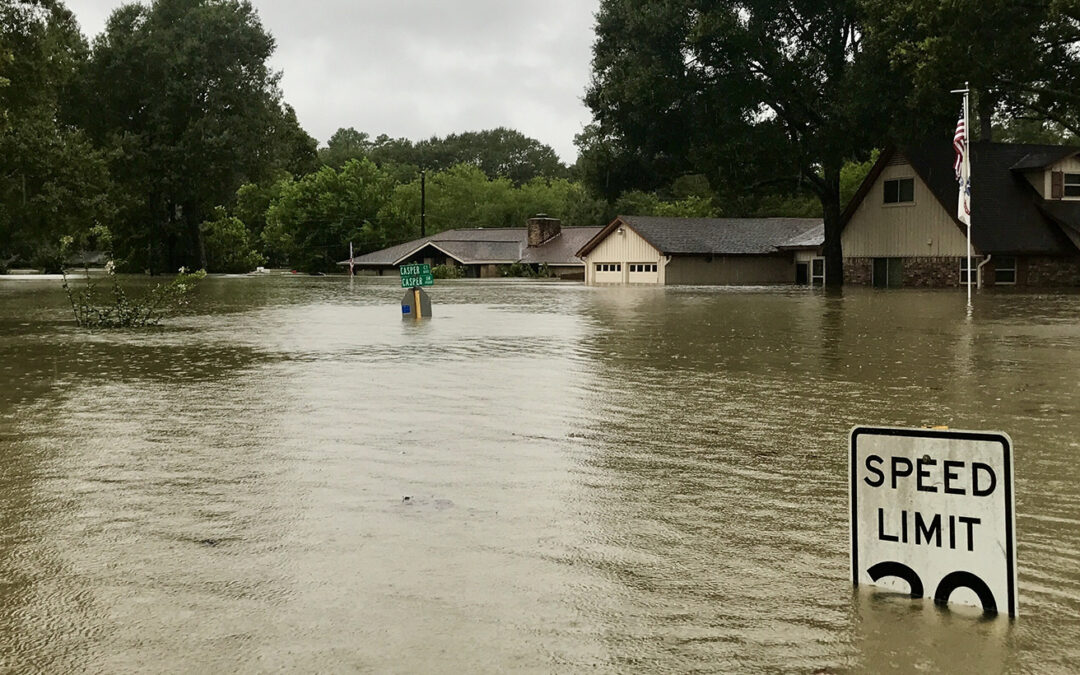
DARJEELING: Relentless overnight rain battered north Bengal’s hills and plains on Saturday and early Sunday, triggering landslides, flooding towns, and sweeping away bridges from Darjeeling to Cooch Behar. At least 28 people have died, most of them in Mirik, while dozens remain missing as rescue teams struggle to reach cut-off areas.
Darjeeling recorded 261 mm of rain in 24 hours — categorized as ‘extremely heavy rainfall’ — while Cooch Behar and Jalpaiguri logged 192 mm and 172 mm respectively. Gajoldoba in Jalpaiguri reported an alarming 300 mm, flooding vast stretches of the district.
Thirteen bodies were recovered in Mirik, famed for its Sumendu Lake and Kanchenjunga views, while ten people — including Kolkata tourist Himadri Purkayet — remain untraced. Officials cautioned that the toll could rise as teams access upper hill regions still blocked by debris.
Prime Minister Narendra Modi expressed grief on social media, writing, “Deeply pained by the loss of lives due to a bridge mishap in Darjeeling… The situation is being closely monitored in the wake of heavy rain and landslides.”
The torrential downpour has crippled infrastructure. An iron bridge over the Balasan river at Dudhia — the only direct route between Siliguri and Mirik — collapsed, severing access to nearby villages. Another bridge at Pulbazar was badly damaged, isolating Thanaline and parts of Bijanbari. Rohini Road, a key link between Darjeeling and the plains, caved in, while NH10, the lifeline to Sikkim, was shut at Chitrey following multiple landslides. The Darjeeling Himalayan Railway suspended services indefinitely.
What began as post-Durga Puja holidays for many tourists turned into an ordeal of survival. Hundreds are stranded across Dooars, Kalimpong, and Darjeeling, facing power outages, poor mobile connectivity, and washed-out roads. Some resorted to crossing gushing streams using ziplines or ropes.
“Water currents were so strong we had to form a human chain,” said Priya Banerjee, a tourist from Kolkata who trekked four hours before finding transport.
In Sisamara, businessman Saurav Palit and his family slogged six kilometres through knee-deep mud and floodwater, later paying ₹4,000 for a 30-minute ride to Falakata. In Jaldapara, forest officials used elephants — typically deployed for safaris — to ferry stranded tourists through flooded terrain.
“We were stuck all day before they brought elephants to carry us across the river,” said Senjuti Ghosh from Kolkata, now sheltering in an Alipurduar hotel until her train home on Tuesday.
Authorities have shut all tourist sites and appealed to visitors to stay indoors until rescue teams reach them. Darjeeling SP Praween Prakash urged travellers to follow official advisories on social media and avoid unsafe routes.
Travel disruption has been widespread, with scores missing trains and flights from New Jalpaiguri and Bagdogra due to road closures.
Chief Minister Mamata Banerjee convened an emergency virtual meeting with top officials, Siliguri mayor Gautam Deb, and GTA chief Anit Thapa, and announced she would visit the disaster-hit areas on Monday.
“Several areas in north and south Bengal have been flooded due to sudden heavy rain and excess river water from Bhutan and Sikkim,” she posted on X. “Rainfall exceeded 300 mm in just 12 hours last night. I offer my heartfelt condolences to the bereaved families and have ordered immediate relief.”
Banerjee ordered the closure of all tourist spots in affected zones and released emergency helpline numbers from the Nabanna control room, assuring that the state government will bear all rescue and evacuation costs.
By Sunday afternoon, Army and NDRF teams had joined state agencies in ongoing rescue operations. With the Mahananda, Jaldhaka, and Teesta rivers flowing above danger levels, wildlife from nearby forests — including elephants, rhinos, deer, and bison — were seen fleeing to higher ground.