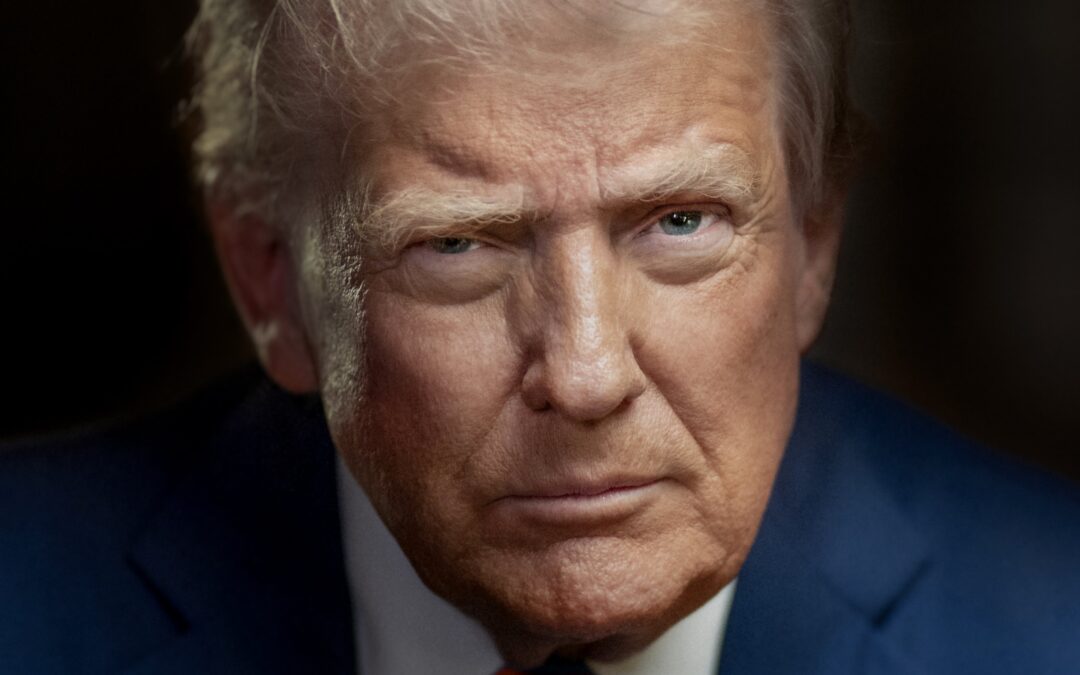
US President Donald Trump’s plan to impose a $100,000 fee on new H-1B visas for highly skilled foreign workers is facing its first legal challenge, with unions, employers, and religious groups filing a lawsuit to block the move.
Who filed the case
The lawsuit, filed in federal court in San Francisco, brings together a coalition that includes the United Auto Workers union, the American Association of University Professors, a nurse recruitment agency, and several religious organisations. The petitioners argue that Trump’s proclamation — issued two weeks ago — exceeds presidential authority and undermines the statutory framework that governs the H-1B programme.
Petitioners’ arguments
The plaintiffs contend that:
- The president cannot override laws enacted by Congress, nor impose unilateral fees, taxes, or revenue mechanisms under the US Constitution.
- The new rule forces employers into a “pay to play” system, with exemptions granted at the discretion of the Homeland Security secretary — opening the door to selective enforcement and corruption.
- Federal agencies, including USCIS and the State Department, implemented the proclamation without following proper regulatory procedures or considering its chilling effect on innovation.
- The $100,000 levy is “arbitrary and capricious” and would cripple access to skilled talent.
White House response
White House spokeswoman Abigail Jackson defended the move, saying the administration acted lawfully to discourage misuse of the system, prevent downward pressure on US wages, and provide clarity for employers who need foreign talent. Trump has framed the order as a national security measure, arguing that the influx of lower-wage workers undermines the integrity of the H-1B system and discourages Americans from pursuing science and technology careers.
Current rules vs. new mandate
At present, employers typically pay $2,000–$5,000 in H-1B-related fees, depending on company size and other factors. Trump’s order bars entry for new H-1B recipients unless the sponsoring employer pays an additional $100,000. The rule does not affect existing visa holders or applications submitted before September 21.
Why it matters for India
The H-1B programme issues 65,000 visas annually, with an additional 20,000 for workers holding advanced degrees. India is the largest beneficiary, accounting for 71% of approved visas last year, followed by China at 11.7%.
If the fee is struck down, Indian IT and technology companies would avoid steep new costs, easing concerns over future staffing pipelines and reducing the push toward offshore hiring strategies.