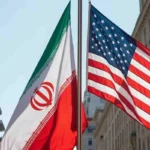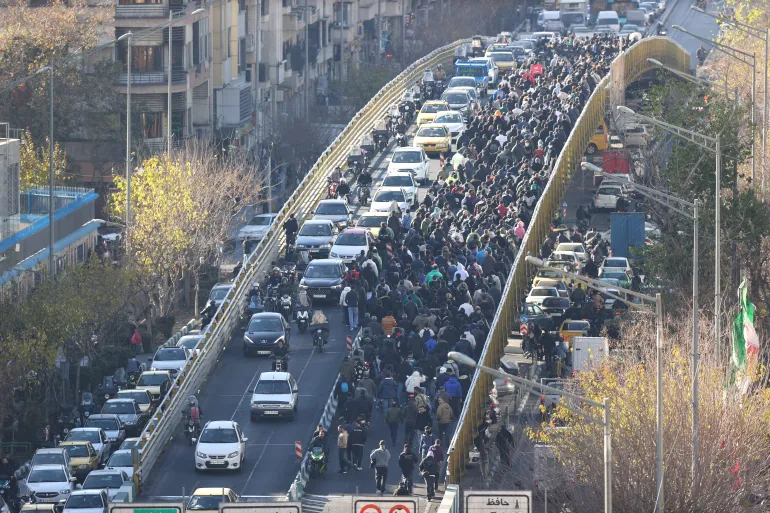
Iran has imposed sweeping restrictions on communications, shutting down internet services and telephone lines across large parts of the country as protests driven by economic hardship intensified on Thursday. Authorities are also feared to be attempting to jam satellite signals to prevent images of the unrest from reaching the outside world.
The clampdown follows violent clashes between anti-government demonstrators and security forces on Wednesday, as nationwide protests entered their 11th consecutive day. The unrest, fuelled by a deepening economic crisis, has spread rapidly across provinces and escalated into one of the largest protest movements Iran has seen since 2022.
Exiled Iranian crown prince Reza Pahlavi condemned the government’s actions, accusing Tehran of deliberately silencing millions of citizens demanding political and economic reform.
“Millions of Iranians demanded their freedom tonight. In response, the regime has cut all lines of communication,” Pahlavi wrote in a strongly worded post on X. “It has shut down the internet, cut landlines, and may even attempt to jam satellite signals.”
He urged the international community to intervene, calling for the use of “all technical, financial and diplomatic resources” to restore communications so that the voices of Iranians could be heard.
Pahlavi backs Trump, urges Europe to act
Pahlavi praised US President Donald Trump for taking what he described as a firm stance against Iran’s leadership and urged European governments to follow Washington’s lead.
“I want to thank the leader of the free world, President Trump, for reiterating his promise to hold the regime to account,” Pahlavi said. “It is time for others, including European leaders, to break their silence and act decisively in support of the people of Iran.”
Trump, meanwhile, issued a blunt warning to Tehran, threatening serious consequences if security forces use lethal force against protesters.
“I have let them know that if they start killing people, which they tend to do during their riots, we are going to hit them very hard,” Trump said in an interview with conservative radio host Hugh Hewitt.
In a separate post on Truth Social, Trump wrote: “If Iran violently kills peaceful protesters, which is their custom, the United States of America will come to their rescue. We are locked and loaded and ready to go.”
The president did not specify what actions Washington might take. While the US has long imposed sweeping sanctions on Iran and generally avoided direct military intervention, Trump ordered airstrikes on Iranian nuclear facilities in June.
Washington voices support for protesters
US Vice President JD Vance reiterated American support for peaceful demonstrators, saying Washington stands with those seeking fundamental freedoms.
“We certainly stand by anybody who’s engaged in peaceful protests, anybody who’s trying to exert their rights for free association and to have their voices heard,” Vance said, adding that Iran’s leadership should pursue serious negotiations with the US over its nuclear programme.
The US State Department also issued an unusually blunt message in Persian on its official X account, directed at Iran’s leadership: “President Trump is a man of action. If you didn’t know before, now you do. Don’t mess with President Trump.”
Protests spread nationwide
The current wave of unrest began on December 28, initially sparked by shopkeepers in Tehran protesting another sharp fall in the value of the Iranian rial. The currency has plunged to record lows over the past year, while inflation has surged to around 40 percent, exacerbated by sanctions related to Iran’s nuclear programme and long-standing issues of mismanagement and corruption.
University students soon joined the demonstrations, which spread rapidly nationwide. Protesters have been heard chanting slogans against Supreme Leader Ayatollah Ali Khamenei and, in some cases, expressing support for Reza Pahlavi.
According to the US-based Human Rights Activist News Agency, protests have occurred in 111 cities and towns across all 31 provinces. The group reported at least 34 protesters and four security personnel killed, with more than 2,200 arrests. BBC Persian confirmed the deaths and identities of 21 people, while Iranian authorities acknowledged the deaths of five security personnel.
As internet blackouts deepen and international pressure grows, Iran remains on edge, with violent confrontations reported in multiple locations and no clear indication of how the standoff between protesters and the regime will unfold.