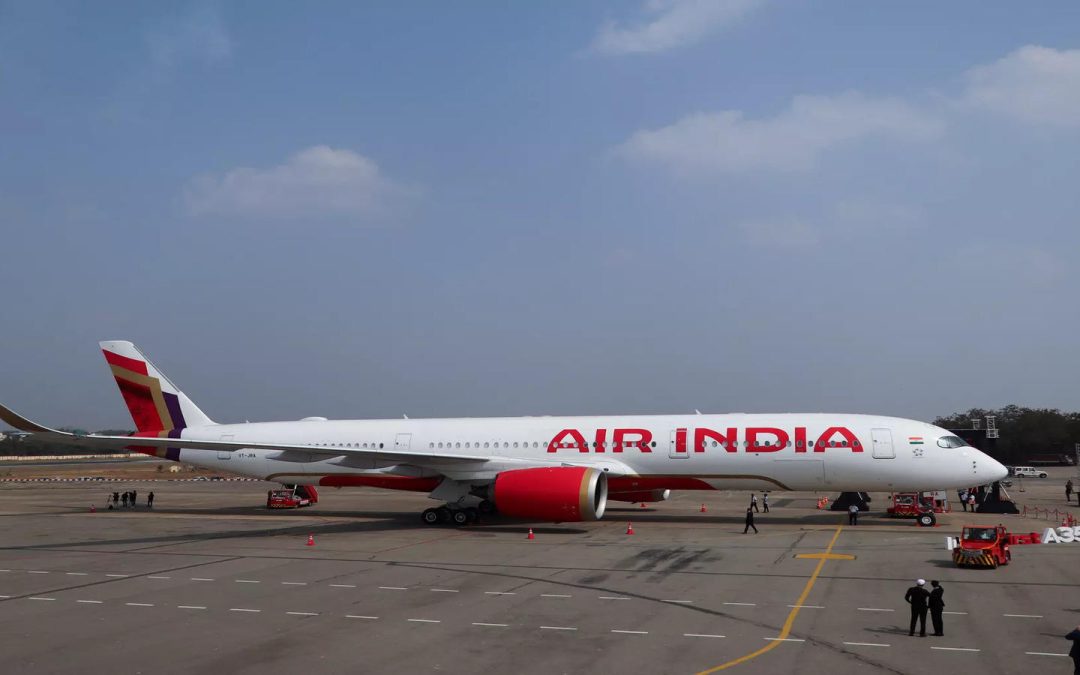
NEW DELHI: On Saturday, the Aircraft Accident Investigation Bureau (AAIB) released its preliminary investigation report into the tragic crash of Air India Flight AI171, which took place on June 12 in Ahmedabad. The accident, which claimed 260 lives, occurred shortly after takeoff, when the Boeing 787-8 Dreamliner bound for London Gatwick crashed into a medical hostel complex near the airport. Of the 241 people onboard, only one passenger survived.
The 15-page report outlines the early findings and the current status of the investigation, shedding light on critical events during the flight, including engine shutdowns, confusion in the cockpit, and unsuccessful attempts to recover the aircraft.
Here are the key takeaways from the preliminary investigation:
- Mid-Air Fuel Cutoff for Both Engines:
Just three seconds after liftoff at 08:08:39 UTC, the fuel cutoff switches for both engines were activated, with a one-second gap between them. The aircraft reached a maximum airspeed of 180 knots just before the engines were cut off. The report states, “At about 08:08:42 UTC, the Engine 1 and Engine 2 fuel cutoff switches transitioned from RUN to CUTOFF position one after another.” - Cockpit Voice Recording Reveals Pilot Confusion:
The cockpit voice recording captured confusion among the pilots during the final moments. One pilot is heard asking, “Why did you cutoff?” to which the other pilot responds, “I didn’t do it.” Investigators are working to determine whether the switches were triggered manually, unintentionally, or due to a system malfunction. - Engine Relight Attempts:
Flight data indicates that an automatic engine relight was attempted. While Engine 1 briefly responded, Engine 2 failed to recover despite several attempts to reintroduce fuel, leaving the aircraft unable to maintain thrust. - Activation of Emergency Power (RAT):
The aircraft deployed its Ram Air Turbine (RAT), an emergency power source, immediately after takeoff, signaling a loss of electrical power to essential systems. - Mayday Call Issued Just Before Crash:
At 08:09:05 UTC, the pilot issued a distress call: “MAYDAY MAYDAY MAYDAY.” The Air Traffic Controller attempted to confirm the call sign, but received no response. Moments later, the aircraft crashed. - Aircraft Impacted with a Nose-Up Attitude:
Flight path analysis revealed that the plane hit buildings near BJ Medical College with an 8-degree nose-up attitude and level wings. With no thrust from either engine, the aircraft was unable to maintain flight. - Thrust Levers Found in Idle After Crash:
The thrust levers were in the takeoff position during flight but were found in idle after the crash. The flaps and landing gear were also in the standard takeoff positions, ruling out any abnormal configuration. - Wreckage Spread Over 1,000 Feet:
The wreckage was scattered over a large area, with debris, including engines and landing gear, spread across more than 1,000 feet. This indicates the intensity of the crash and the aircraft’s trajectory during impact. - Aircraft Airworthy, No Prior Fuel Control Issues:
The Boeing 787-8 was certified airworthy, and there were no previous issues related to fuel control systems. Although there were minor Category C and D Minimum Equipment List (MEL) issues, none were linked to the fuel cutoff switches. - Failure to Follow Optional Boeing Advisory:
Boeing had issued an optional advisory concerning fuel control switch locking mechanisms, but Air India did not conduct the recommended checks. The aircraft’s throttle control modules had been replaced in 2019 and 2023.
Next Steps in Investigation:
The AAIB confirmed that wreckage analysis, post-mortem reports, and inspections of aircraft components are ongoing. At this stage, no specific actions have been recommended for B787-8 or GE GEnx-1B engine operators and manufacturers.
Air India has expressed full cooperation with the investigation, while Boeing has deferred to the AAIB for further information, in accordance with the United Nations International Civil Aviation Organization’s Annex 13 protocol.