Europe’s carbon market could provide financial incentives for shipowners to switch to alternative fuels, although the level of support would vary significantly between fuel types. A proposal to revise the European Union’s Emissions Trading System (EU ETS) would reserve up to 110 million allowances between 2028 and 2040 for a Sustainable Maritime Alternative Propulsion (SMAP) mechanism. The initiative is designed to cover part of the cost difference between conventional marine fuels and sustainable alternatives. Analysis suggests that, when combined with the EU ETS and FuelEU Maritime regulation, the mechanism could change the relative cost competitiveness of marine fuels in Europe. BioLNG and renewable e-fuels could benefit most, while biodiesel produced from used cooking oil (UCO) and animal fats would not qualify for the proposed support.
The regulatory framework is becoming increasingly stringent. Shipping companies are required to surrender EU ETS allowances for all verified emissions within the scheme’s scope, with methane and nitrous oxide also covered. FuelEU Maritime separately requires progressive reductions in the greenhouse-gas intensity of energy used on board ships. Both frameworks draw on the sustainability criteria established under the EU’s revised Renewable Energy Directive (RED III). The combined requirements will influence the relative attractiveness of different fuel pathways for shipowners, charterers and fuel suppliers.
Under the proposed SMAP mechanism, eligible biogas and advanced biofuels would receive support covering 55% of the remaining cost premium over fossil fuels. Renewable fuels of non-biological origin (RFNBOs), including e-ammonia and e-methanol, would receive 90% coverage, rising by an additional 10 percentage points when feedstocks are sourced within the EU. As support is linked to the size of the remaining cost difference, more expensive fuels would receive larger payments per tonne. EU-produced e-ammonia could potentially have its entire remaining cost premium covered. Support would be reduced by half for voyages entering or leaving the EU, while fuel eligibility would generally depend on production within the EU or a country connected to its carbon market.
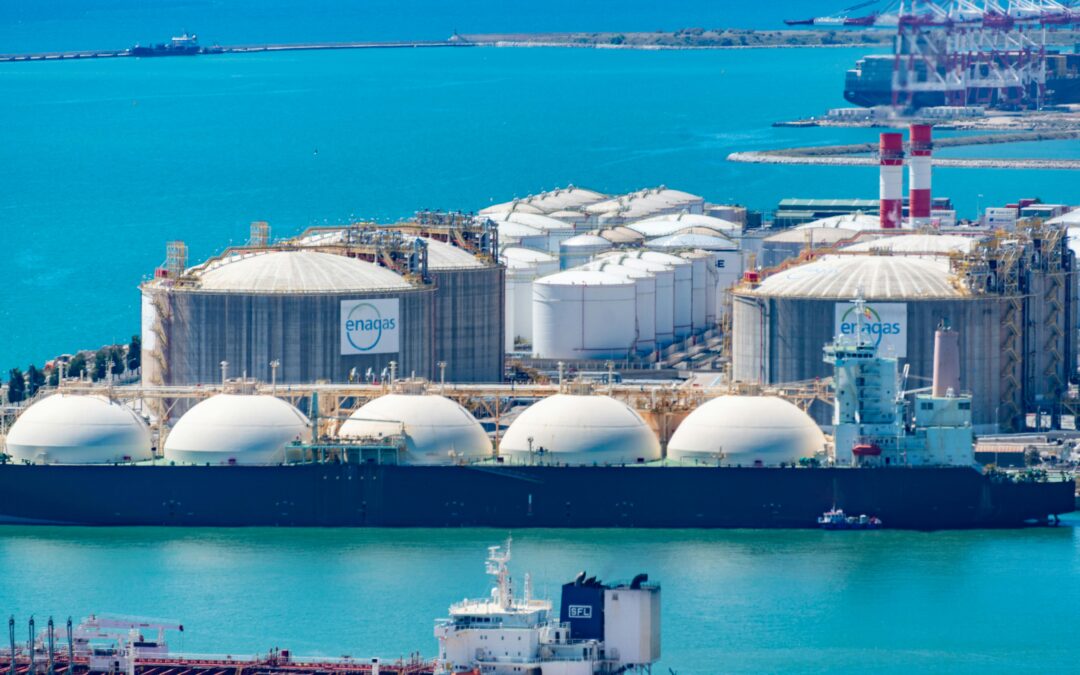
The combined effects of the EU ETS, FuelEU Maritime and the proposed SMAP mechanism could make several alternative fuels cheaper than very low sulfur fuel oil (VLSFO) on voyages within the EU. Based on third-quarter 2026 prices, bioLNG costs more than twice as much as VLSFO before incentives, but its effective cost could fall to approximately half that of VLSFO once FuelEU credits and the proposed support are included. FuelEU Maritime accounts for most of this advantage, meaning bioLNG could already be cost-competitive with VLSFO without SMAP. As bioLNG can be used in liquefied natural gas (LNG) engines, the combined incentives could further strengthen the economics of LNG dual-fuel vessels operating in Europe.
RFNBOs would receive the highest level of proposed support. Under the modelled scenario, EU-produced e-ammonia could become the least expensive fuel on intra-EU routes. However, ammonia-fuelled vessels remain limited in number, and EU production capacity is still small.
Liquid biofuels produced from waste oils and fats could be disadvantaged by the proposed eligibility criteria. UCO and Category 1 and 2 animal fats meet EU sustainability requirements and qualify for credit under both the EU ETS and FuelEU Maritime. However, SMAP would support only advanced biofuels produced from feedstocks listed in Annex IX, Part A, of RED III. Biogas appears to qualify regardless of feedstock.
This distinction is significant for Europe’s biodiesel industry. By 2030, crops and waste lipids, including UCO and other waste fats and oils, are expected to account for approximately 96% of the region’s biodiesel and renewable diesel production capacity. Only around 2% of capacity is clearly expected to qualify for SMAP support. The aviation sector’s sustainable fuel requirements also compete for the same waste-lipid feedstocks, potentially limiting their availability for maritime use.
Even for eligible fuels, SMAP may provide a stronger incentive for early adoption than for large-scale fuel switching. The proposed funding is limited, equivalent to approximately $900 million annually if distributed evenly across the programme period. If applications exceed the available budget, payments would be reduced proportionally, leaving shipowners uncertain about the final level of support per tonne until the end of the relevant year. For bioLNG, mass-balance requirements would also restrict eligible bunker supply to gas associated with grid-connected liquefaction facilities within the EU.
The proposal remains subject to negotiations between the European Parliament and the European Council, and the final framework could change eligibility requirements or introduce measures to limit excessive compensation.
Overall, the combined impact of the EU ETS, FuelEU Maritime and the proposed SMAP mechanism is likely to favour fuels that deliver strong emissions reductions and qualify for financial support. LNG dual-fuel vessel operators using bioLNG and early adopters of renewable e-fuels could benefit, while shipowners relying on biodiesel derived from waste oils and fats may face a relative cost disadvantage.