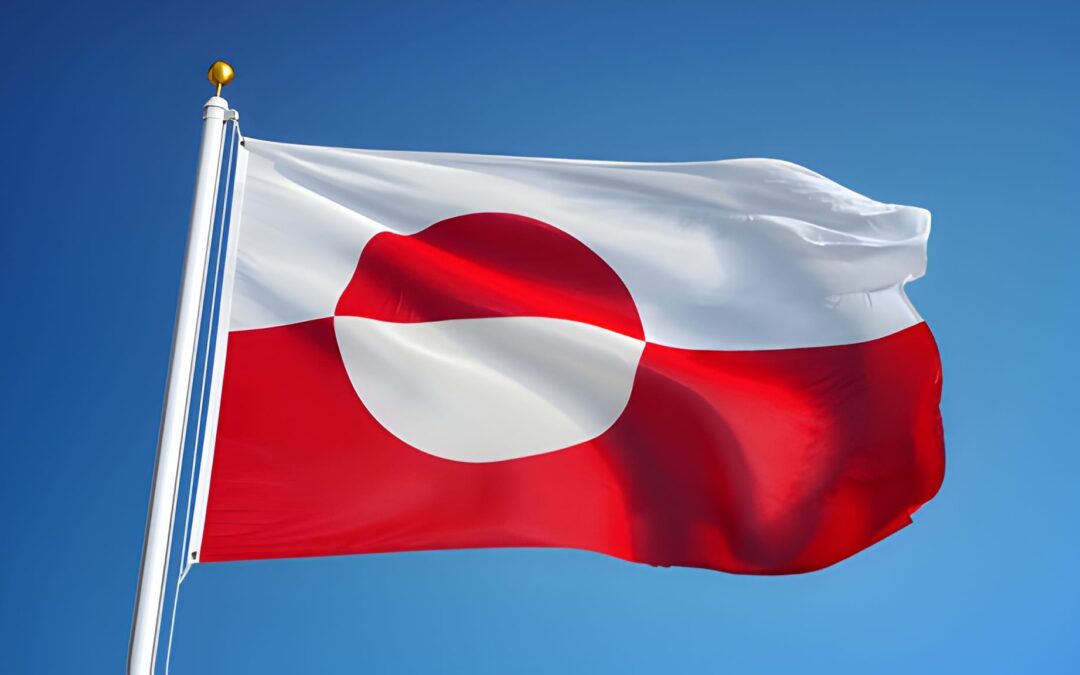
Greenland’s parliament has unanimously adopted a proposal directing the government to draft legislation banning deep-sea mining and exploration until at least the end of 2029, amid concerns over the potential environmental impact of exploiting marine resources.
The proposal, adopted on Thursday, allows the government to extend the moratorium in two-year increments.
WWF Greenland welcomed the decision, describing it as an important step towards protecting the marine environment. The organisation said scientific understanding of the potential consequences of deep-sea mining remained limited.
“With this decision, Greenland has the opportunity to send a strong signal that the protection of the ocean, nature, and our livelihoods must be taken seriously when we are faced with new forms of exploiting marine resources,” WWF said.
Fisheries form the backbone of Greenland’s economy, while hunting remains essential to the livelihoods of many local communities. Residents of the autonomous Danish territory have expressed concerns about the environmental consequences of deep-sea mining.
However, the vast Arctic island is also believed to hold significant mineral resources beneath its land and seabed. These deposits could support emerging technology and defence industries, making mineral exploitation an important economic consideration for Greenland.
Access to these resources is also viewed as a potential pathway towards greater economic independence from Denmark. A majority of Greenland’s approximately 57,000 inhabitants support independence, although achieving it would require substantial investment.
Greenland has long relied on subsidies from the Danish government, which account for around 20% of its economy. Establishing a financially sustainable independent economy would require significant new sources of revenue.
The parliamentary vote came a day after US President Donald Trump said oil, gas and mineral exploitation was about to begin in Greenland, although he did not specifically refer to deep-sea mining.
Greenland halted the issuance of new oil and gas exploration permits in 2021. No industrial-scale oil or gas drilling has taken place in the territory, where harsh climatic conditions and limited infrastructure pose significant operational challenges.
The decision also comes amid heightened geopolitical interest in Greenland’s strategic Arctic location and natural resources. In September, Washington signed a security agreement with Greenlandic and Danish leaders following Trump’s threats to take control of the territory by force.
The proposed moratorium highlights Greenland’s efforts to balance environmental protection and the preservation of traditional livelihoods against the economic opportunities presented by its mineral wealth.