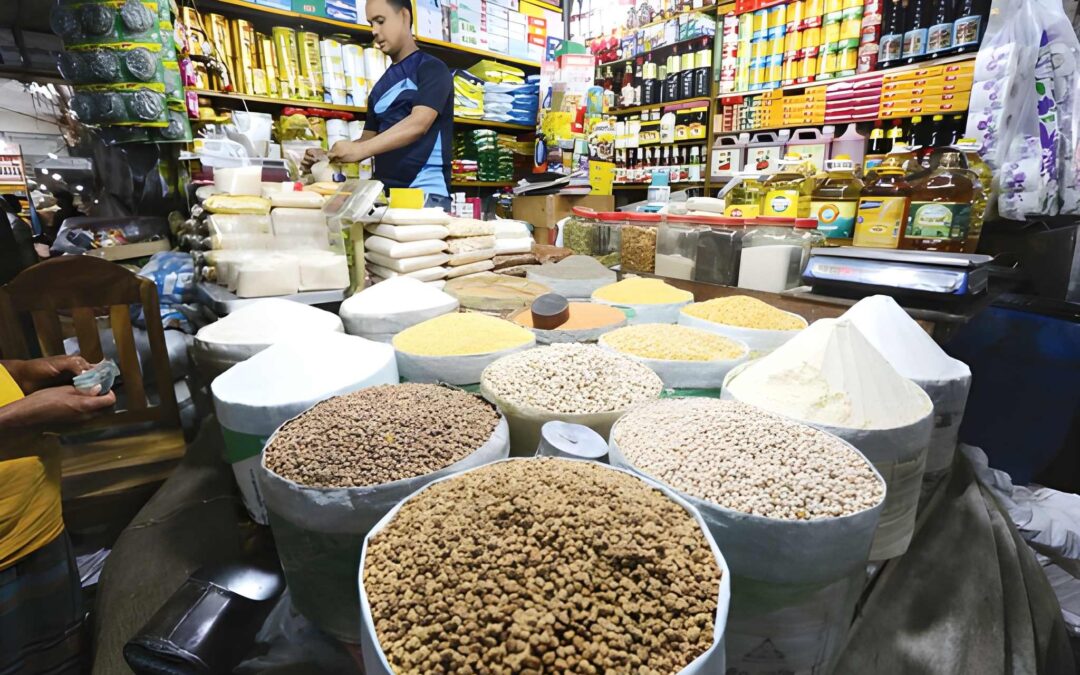
Prices of major pulses in India are rising amid adverse weather conditions, declining domestic supply and higher import costs, with pigeon pea (arhar) prices approaching levels last seen during the 2023-24 price surge. According to a report by the India Pulses and Grains Association (IPGA), black gram and chickpeas are also witnessing price increases as supply constraints and uncertainty over the next crop season put pressure on the market.
During the 2023-24 period, retail pigeon pea prices crossed ₹200 per kg. The latest increase has raised concerns about the affordability of essential food items, particularly for households that depend on pulses as a regular source of protein.
Pigeon Pea Prices Rise in Key Markets
Wholesale pigeon pea prices have increased sharply in recent weeks. In Akola, Maharashtra, prices reached ₹108–₹108.25 per kg, while in Karnataka’s Gulbarga region, they ranged between ₹103 and ₹113 per kg. According to IPGA data, prices in some markets rose by ₹17–₹19 per kg over a month.
The increase comes amid concerns over the kharif pigeon pea crop in Maharashtra, Karnataka and Andhra Pradesh. Adverse weather and dry conditions have affected crop prospects, raising fears of reduced domestic availability.
Data from the Department of Consumer Affairs showed that the national average retail price of pigeon pea stood at ₹127.90 per kg on October 11.
Black Gram Faces Import and Shipping Challenges
Black gram prices have also increased because of limited supplies from Myanmar; higher export offers and delays in shipments arriving through Chennai port.
According to IPGA, congestion has delayed vessel berthing and reduced the quantity of stocks available for immediate delivery. Imported Myanmar fair average quality (FAQ) black gram was quoted at ₹101 per kg in Delhi on October 10, compared with ₹88.75 per kg a month earlier.
Domestic prices have remained firm despite fresh arrivals. The association reported that approximately 60–70% of the new crop arrivals were of poor to average quality, contributing to the upward price trend.
A weakening rupee is adding to the pressure by making imported pulses more expensive for Indian buyers.
Chickpea Prices Firm Ahead of Rabi Sowing
Chickpea prices are also moving upwards ahead of the rabi sowing season. Increased purchases by traders and mills, festival demand for dal and gram flour, and lower market arrivals have supported prices.
However, concerns remain over the next crop cycle. Low soil moisture and deficient rainfall in parts of Maharashtra and Karnataka could affect chickpea sowing, potentially tightening supplies in the coming months.
Supply Uncertainty Raises Concerns
The simultaneous rise in prices across several pulses highlights the challenges facing India’s pulse market. Weather-related crop risks, import dependence, shipping delays and currency fluctuations are contributing to the current pressure.
The outlook for prices will depend largely on domestic crop production, the progress of the rabi sowing season and the availability of imported supplies. If production falls short of expectations or import costs remain elevated, consumers could continue to face higher prices for essential pulses in the months ahead.