Middle East oil exports are recovering toward pre-war levels, but soaring freight costs, tanker shortages and disruption around key shipping routes are keeping pressure on the market, according to PVM Oil Associates, part of TP ICAP Group.
Middle East exports reached an estimated 80% of pre-war levels, with shipments averaging about 12.8 million barrels per day in September. Saudi exports climbed to roughly 6 million barrels per day, approaching their 2025 monthly average.
Iraq’s production also rose to 3.5 million barrels per day in August as exports through southern terminals improved.
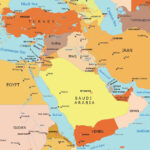
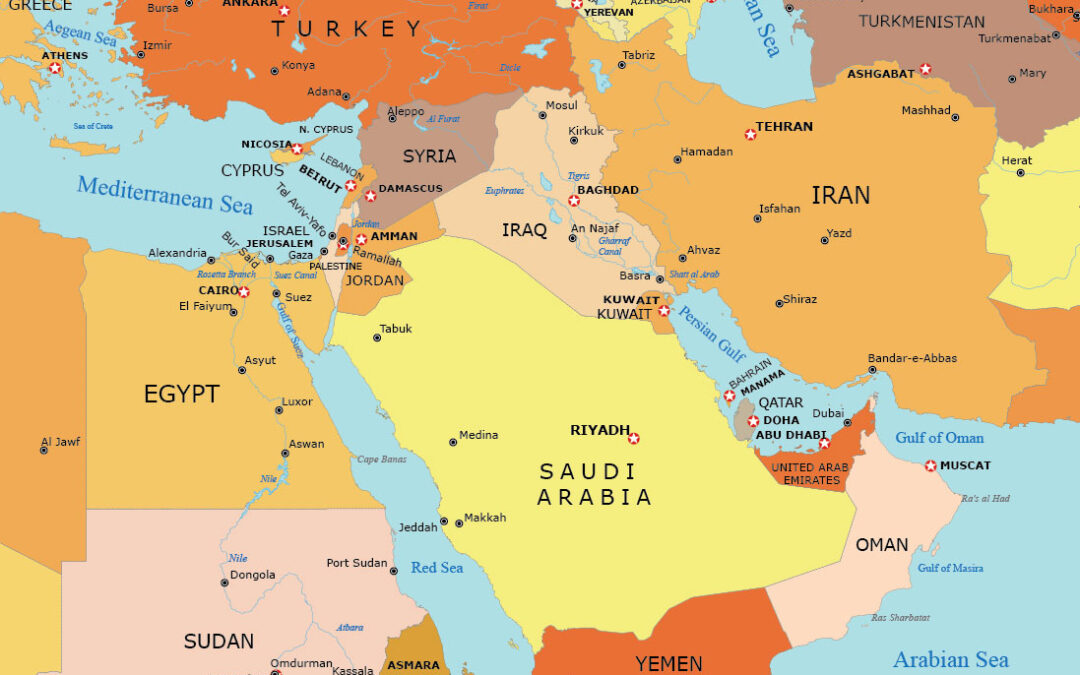
Much of the recovery relies on more complex shipping arrangements. Ship-to-ship transfers have become a key workaround, with tankers loading inside the Gulf before transferring cargo off Sohar in Oman or Fujairah in the UAE, outside the Strait of Hormuz.
Around 2.5 million barrels per day were expected to move through such transfers in September, up from 1.4 million in August.
These two-stage journeys require more vessels and expose operators to higher insurance and chartering costs. The International Maritime Organization has verified 80 attacks on merchant vessels around Hormuz since the conflict began on Feb. 28, resulting in at least 22 seafarer deaths.
Tanker availability has tightened sharply. Daily charter rates for very large crude carriers originating inside the Gulf and transiting Hormuz have reached records of between $1 million and $1.27 million, according to LSEG data cited in the report.
Pressure is also spreading beyond oil. Spot container rates between the Far East and northern Europe have risen 85% since the Iran war began, reaching an average of $4,100.
Floating oil storage is shrinking as vessels become more valuable for transporting cargo. Global floating storage fell from 145 million barrels in April to around 88 million.
Recovering exports have therefore done little to remove concerns over limited shipping capacity and elevated transport costs, leaving freight as a major source of pressure across oil markets.