India is preparing to double its coking coal output by 2030, especially to meet its steel manufacturing needs. While carbon emissions from coal use are well known, coal mining also produces methane emissions, which warrant early attention. If monitoring and abatement measures are not incorporated at the planning stage, it could lock in higher emissions in mining operations for decades.
Methane is a potent greenhouse gas and is formed in coal mines during the coalification process. It remains trapped within the coal seam and is released when mining disturbs or exposes the seam to the atmosphere. These emissions are called coal mine methane (CMM) and occur during multiple stages of the mining cycle, including extraction, drainage, and ventilation, as well as post-mining activities such as coal processing, storage, and transport. Coking coal mining is particularly methane-intensive, with around 50% higher methane intensity than non-coking coal.
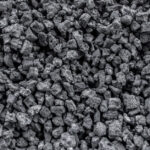
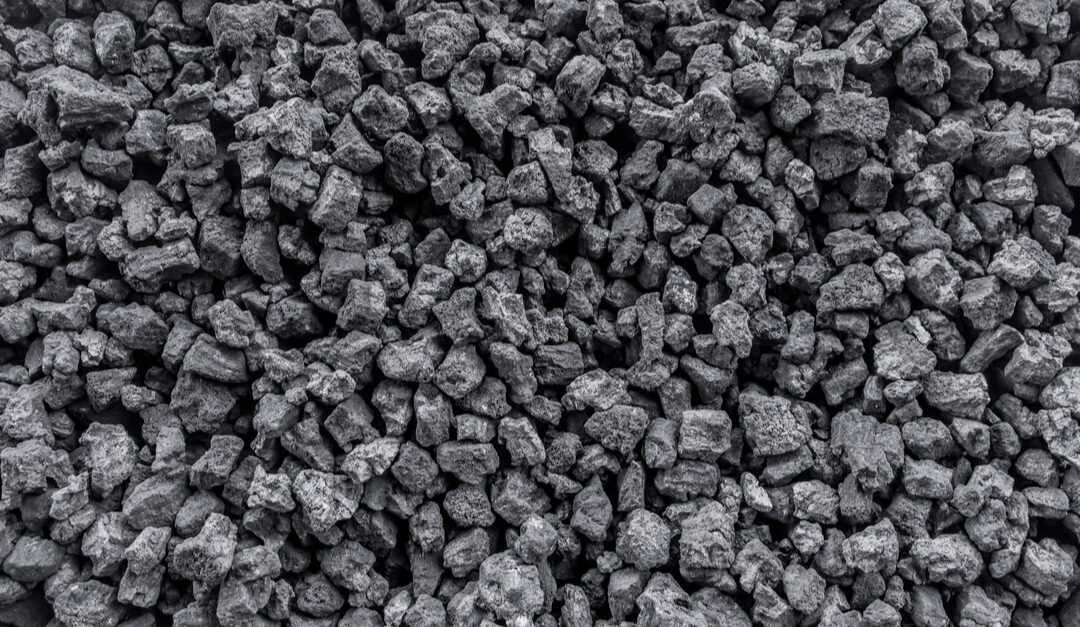
When heated in the absence of air, coking coal converts into coke: a strong, porous material, low in ash and moisture and free of volatile matter. Coke’s use as a fuel and a reducing agent in steel production sets it apart from non-coking coal, which is primarily used for energy generation.
Why is India planning for more coking coal?
In the absence of good-quality domestically produced coking coal, India imports around 90% of the coking coal required by its steel sector, which needs low ash and sulphur content and caking properties. India’s domestic coking coal production is still falling short. It mined 66.8 million tonnes (MT) of raw coking coal in 2023-24, but only about 5.4 million tonnes was washed to the quality needed for steelmaking.
India has launched Mission Coking Coal to increase domestic production to around 140 MT by financial year (FY) 2030, up from 66 MT in financial year 2025. This increase is expected to support India’s proposed steelmaking capacity to rise from the current 200 million tonnes per annum (MTPA) to 300 MTPA by 2030.
India’s main steelmaking process is the conventional blast furnace-basic oxygen furnace (BF-BOF) route with coking coal as the key input. It accounts for around 62% of current steel production and around 59% of announced or under-construction production. Alternative steelmaking technologies that use other fuels like natural gas, green hydrogen, or scrap steel lower coking coal use in steel production but are not currently popular in the country. The BF-BOF process requires 770 kilogrammes (kg) of coking coal per tonne of crude steel. With 208 MTPA of BF-BOF capacity expected to come up in India, this would create an additional coking coal demand of 160 MTPA.